


40% of Office Workers Are Not Going Back to Old Ways, According to Survey
GoLocalProv Business Team
40% of Office Workers Are Not Going Back to Old Ways, According to Survey
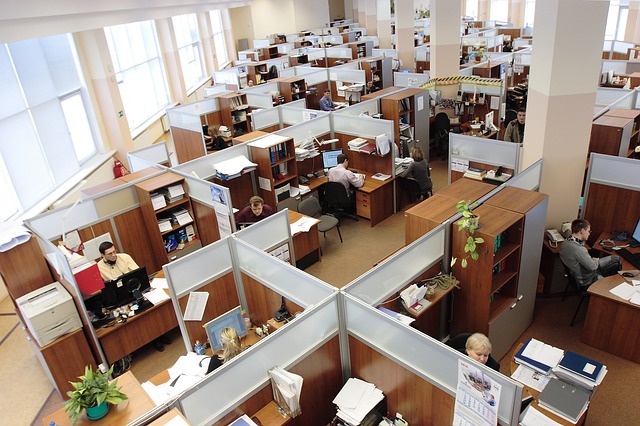
The implications are significant. Today, Westminster and Weybosset streets in Providence’s “financial district” are now nearly void of pedestrians and auto traffic.
Two new surveys are out -- one national and one Providence-based.
GET THE LATEST BREAKING NEWS HERE -- SIGN UP FOR GOLOCAL FREE DAILY EBLASTA new national survey of 5,000 employed adults across the U.S. found that 40% of workers expect to have some form of continued remote work flexibility post-pandemic. 19% expect to have a hybrid arrangement that allows for remote work multiple days per week, while 21% expect that they’ll have the ability to work exclusively remotely.
A separate and small sample survey conduct by the Providence Foundation of downtown employers found that "Downtown Providence has been severely impacted by COVID-19, as tourism and conventions came to an abrupt stop, offices emptied out, and performance venues closed to protect public health."
Only 37 companies responded to the Foundation's survey.
According to the Providence Foundation:
- 38% of respondents have seen a significant decrease in revenue. 22% laid off employees permanently and 19% laid off employees temporarily. 19% of respondents hired more employees.
- Respondents expect 50% of employees to return to the office by June 30, 78% by September 30, and 95% by December 31.
- 62% will implement or offer a hybrid model with some days in the office and some days working from home. 11% will require employees to work at the office full time. Zero respondents will offer employees a fully remote workplace option. 16% say it will be role-dependent.
The national report finds:
- Remote work is already spurring increased moving activity. 19 percent of remote workers moved over the past 12 months, compared to 13 percent of workers whose jobs require them to be on-site. However, most of these additional moves were local -- remote and on-site workers were equally likely to move to a new city or a new metro.
- Looking forward, 42 percent of remote workers say that they’re planning to move over the next 12 months, compared to 26% on-site workers. Remote workers are more likely to be planning local moves as well as moves to a new city.
- 35% of remote workers who are planning an upcoming move say that they plan to relocate to a more affordable market, more than double the rate for on-site workers, indicating that we may see an outflow of remote workers from the nation’s most expensive housing markets going forward. This finding also highlights the important equity implications of remote work -- on-site jobs are lower paid, on average, but on-site workers have less flexibility to relocate in search of more affordable housing.
- Overall, remote workers said that the most important factors in their decision of where to live over the next several years are “access to a housing market where I can afford homeownership” and “access to natural amenities.”
- Remote workers who are also not tied down by home ownership or family obligations -- will represent the leading edge of remote work-related migration trends. 23 percent of the untethered workers in our survey moved over the past year and 55 percent plan to move in the coming year, both well above the shares for remote workers overall.
- Remote workers moved more than on-site workers over the past year, but the majority of moves were local
The national study was conducted by Apartment List.