Assault on Wayland Square – Architecture Critic Will Morgan
Will Morgan, Architecture Critic
Assault on Wayland Square – Architecture Critic Will Morgan
Will success spoil Wayland Square? If we want to visualize the tragically overbuilt future of the commercial heart of this East Side neighborhood we need only look at the design of the proposed apartment block that will replace the nearly century-old Monahan Drabble & Sherman Funeral Home. (The venerable undertakers have moved to East Providence.)
GET THE LATEST BREAKING NEWS HERE -- SIGN UP FOR GOLOCAL FREE DAILY EBLAST
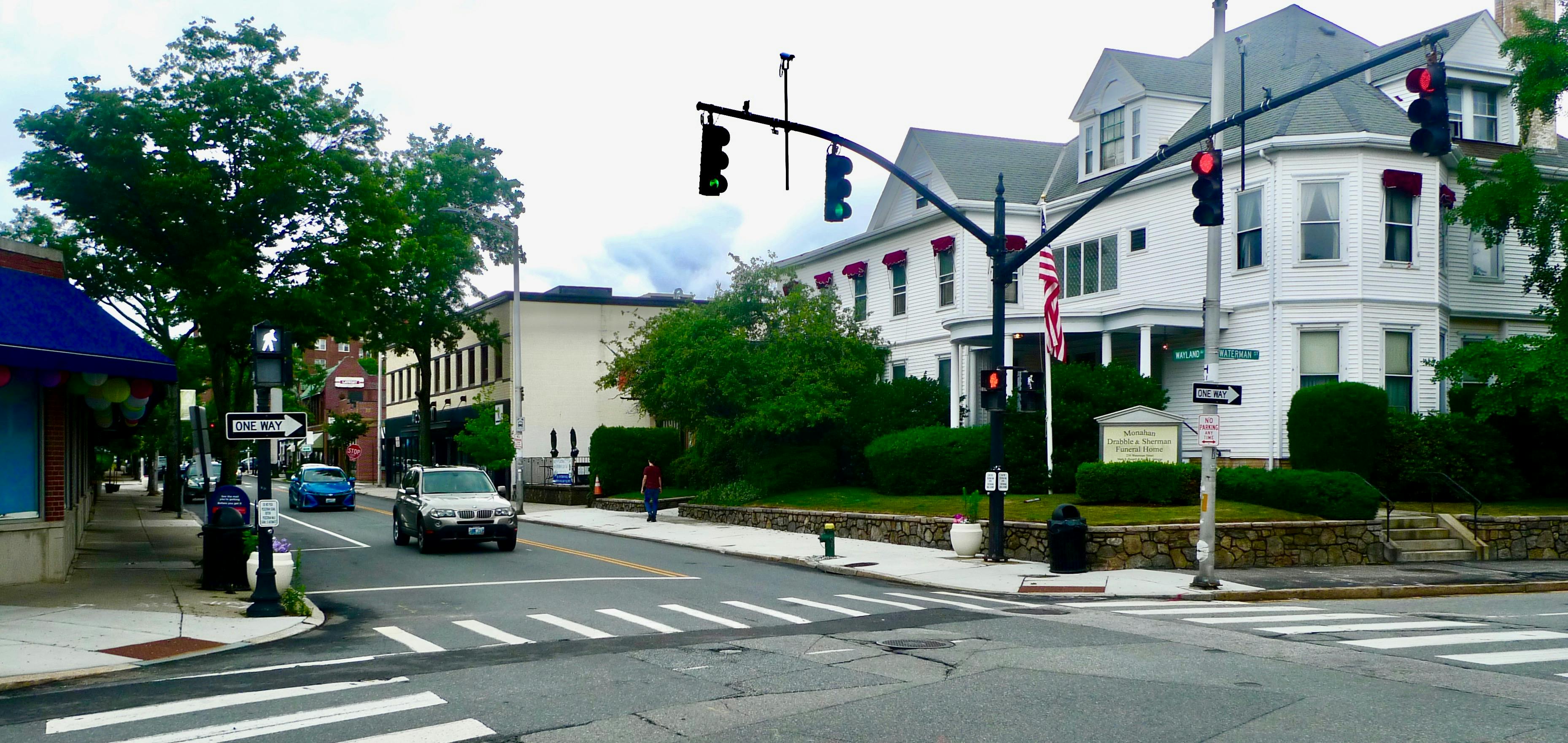
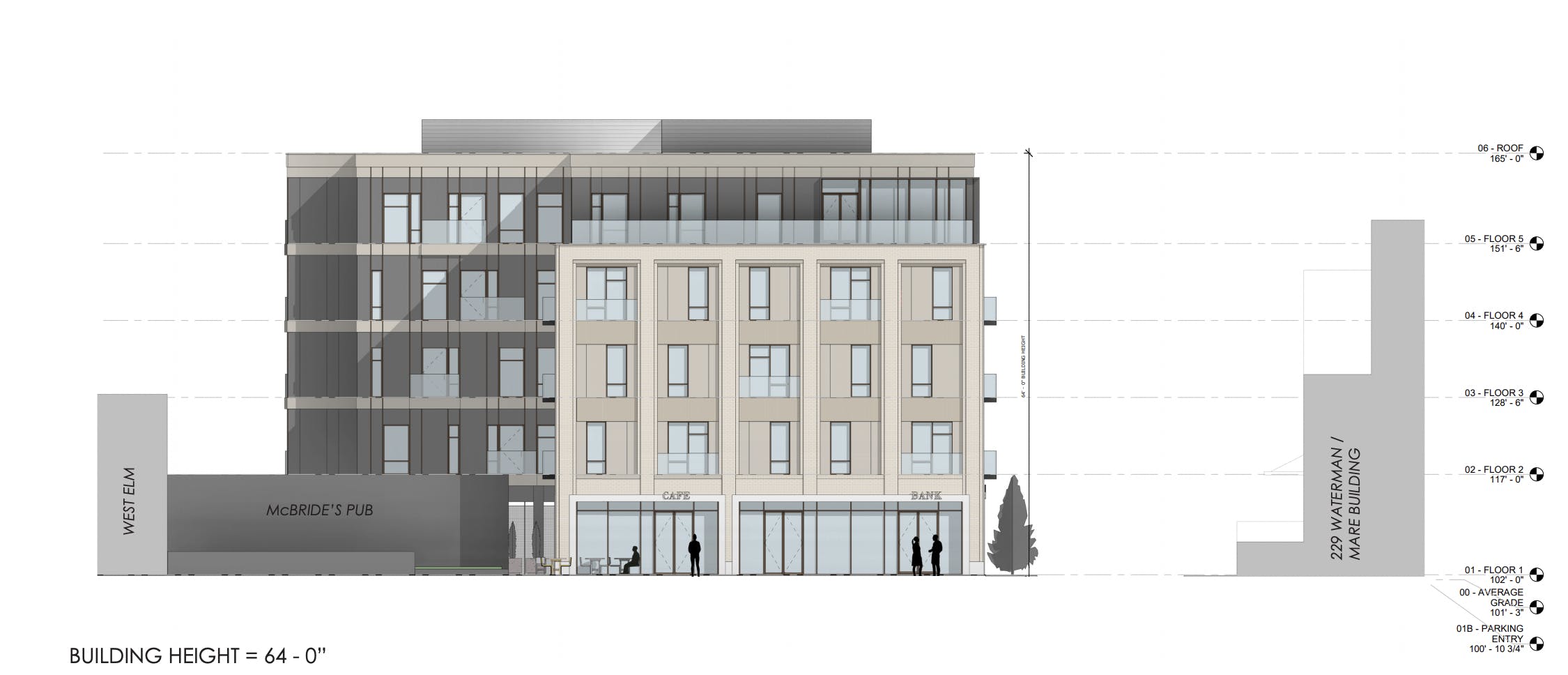
Other than the guiding principles for the continued erosion of Wayland Square–the need for housing and unalloyed greed, can a case be made for the insertion of a scale-destroying five-story behemoth in what has been hailed as one of the most desirable neighborhoods anywhere? How will 230 Waterman, with its 38 flats and some retail space in a thoroughly undistinguished package, contribute anything more than traffic congestion, shadows, and a diminution of the quality of life?

There will be a hearing before the City Planning Commission on July 20th, at which owner Stephen Lewinstein, developer Paul Greisinger, and architect Eric Zuena will no doubt be asked by conscientious neighbors to mitigate the apartment block's size and "make it more attractive." Just as when concerned College Hill residents, say, confront Brown, hoping for better details on a wholly inappropriate building, one fears it is already too late to make significant changes. Like putting lipstick on a pig, alas. We need to ask tougher questions a whole lot sooner.
Exceptional districts such as Wayland Square will always be under assault, as long as our only standards are for buildings whose sole aim is to extract the maximum return out of the zoning envelope. Replacing the older and domestically scaled, neighborhood friendly funeral home, 230 Waterman is viewed as real estate rather than architecture or townscape. As opposed to mere shelter or monetized square footage, architecture should seek to elevate its users and its surroundings, not reduce it to it lowest common denominator.
Decrying the desert in which he believed American architecture had become stranded, Herbert Muschamp, then architecture critic the New York Times, wrote, "When a culture lets itself settle for anything less than great, there’s no telling how low it will sink. Nor is it easy to recognize the moment when the rot sets in. Architecture, no less than politics, is an art of the possible. The field has almost infinite tolerance for those who want to rob space of decency and meaning.”
This is not to suggest that Celtics owner Lewinstein and his development organization have intentionally set out to lower the East Side's attractiveness quotient. But given the considerable property that they own in Wayland Square, any new construction by them ought to be carefully considered. Some might say that having so much of the Square controlled by one entity is a cause for real concern.
Eric Zuena, the principal at ZDS Architecture, is an incredibly prolific and successful designer. Zuena has built so much in Providence that we have a general idea of what one of his over-scaled projects will look like.
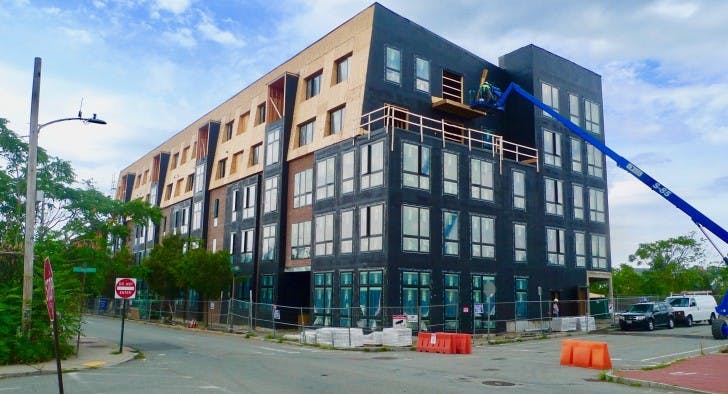
A Zuena-designed apartment or hotel block (like the delayed hotel proposal at Angell and Brook Streets or 81 South Angell) is invariably a stick built structure, a ubiquitous and relatively inexpensive form of commercial construction. That is, it has a wooden balloon frame, upon which have been hung panels of various materials, such as cement board, brick, or stone veneers. These panels are not structural and are employed to mitigate the otherwise undifferentiated masses. ZDS often caps its facades with wannabe mansard roofs.
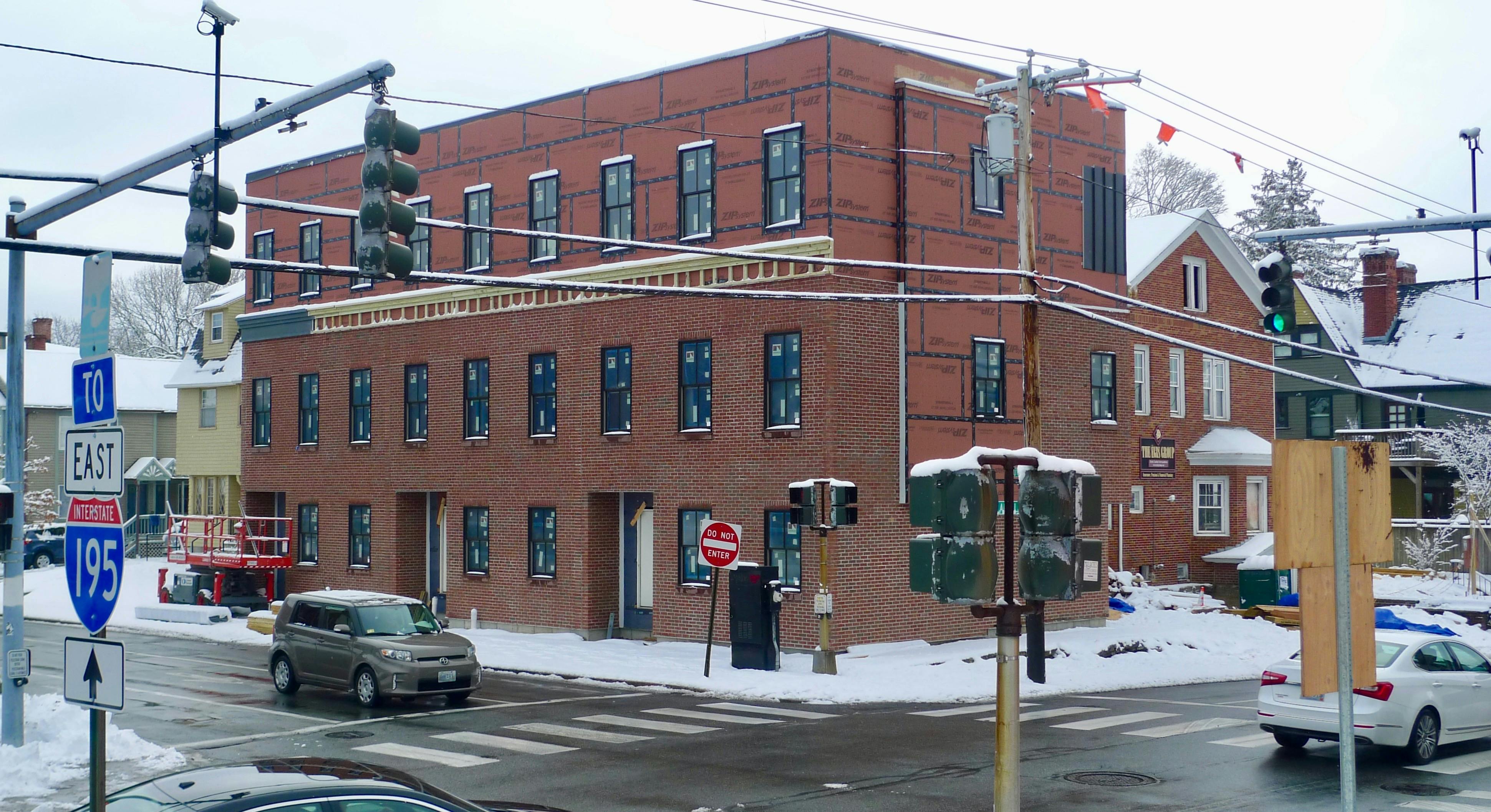
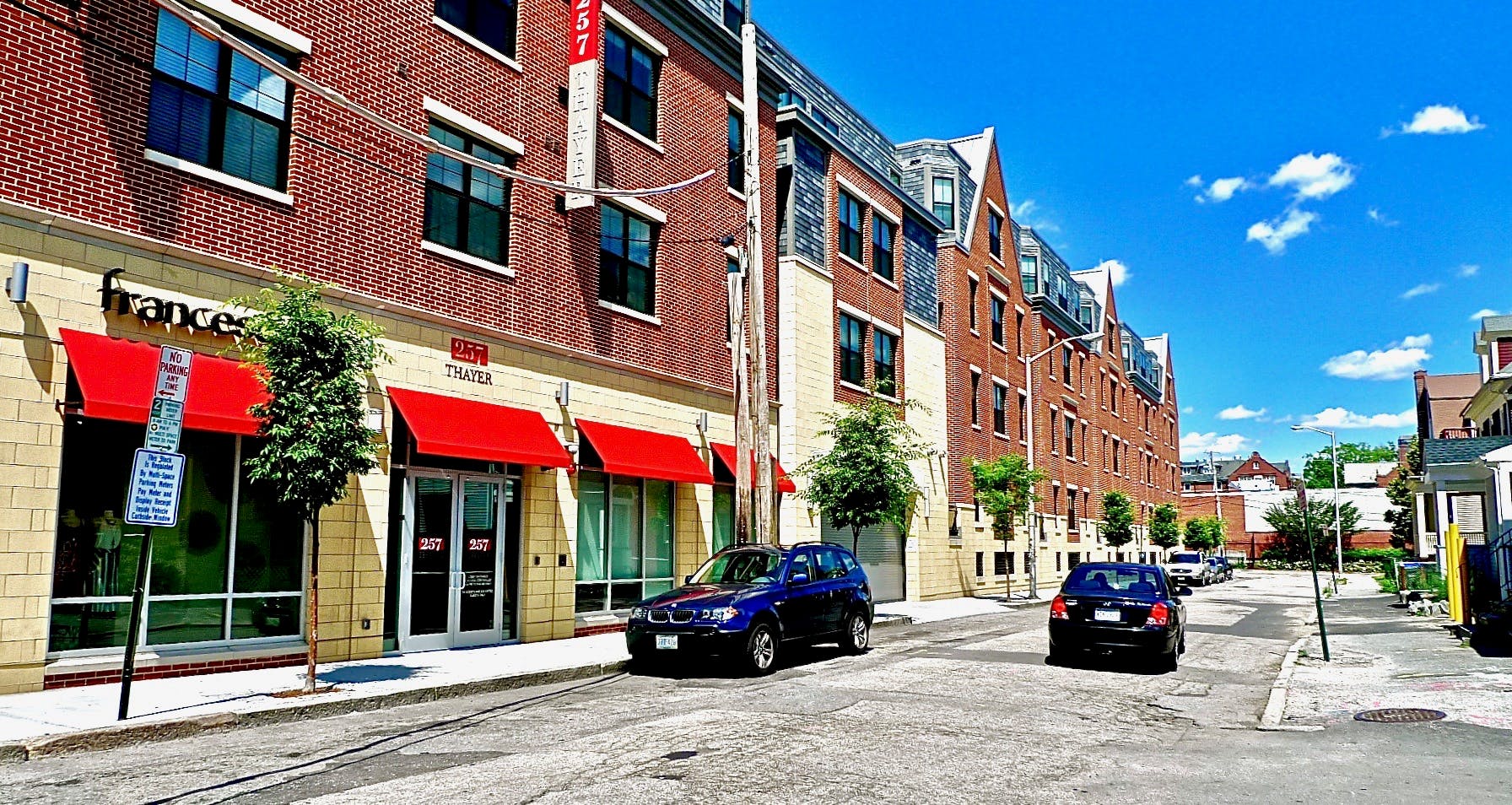
Other than squeezing the most sellable or rentable space from a given real estate unit, one searches in vain for some sort of architectural philosophy or aspirational aesthetic. Stylistic preferences aside, a ZDS block is neither good Modernism nor a good interpretation of Traditional design. Too often these are merely an echo of other speculative, why-make-an-effort blocks around town, such as Station Row, almost any building in the I-195/Innovation District, or commercial student housing on Thayer and Brook Streets.
When buying up a chunk of Angell Street real estate five years ago, one of Lewinstein's developers referred to Wayland Square as "a commercial 'jewel box' surrounded by a highly educated upper income population." If there is an understanding of the neighborhood's mercantile and educational demographic, why can't there be an understanding of Wayland Square's history and urbanity?
If Lewinstein and Zuena want a real legacy, why not contribute a noteworthy, innovative, or at least handsome work of architecture, something that will enhance Wayland Square rather than debase it? We want the best for our city, so why settle for mediocre design?