


David Brussat, Dr. Downtown: Hallucinogens in Kennedy Plaza
David Brussat, GoLocalProv Dr. Downtown
David Brussat, Dr. Downtown: Hallucinogens in Kennedy Plaza
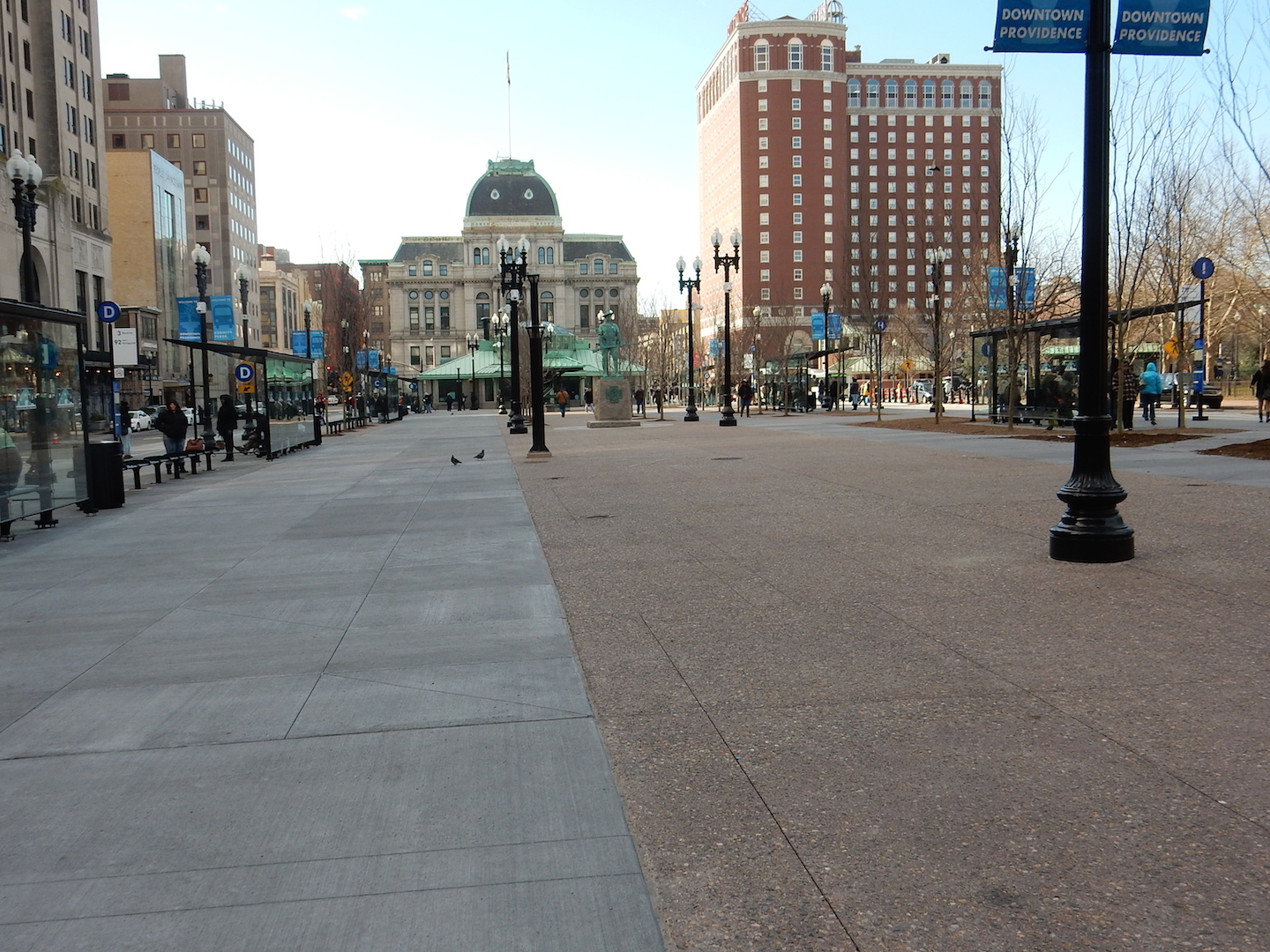
Most of the famously unkempt crowds of ne’er-do-wells prosecuting a lively commerce in illegal substances while hassling those awaiting buses in days of yore will be back. The chess players, concert goers and farmers envisioned by Elorza will no doubt be more emboldened to beard the scofflaws in the new dispensation than they used to be, and this will cause money for future improvements to fall from the new trees that have displaced the former ice-melt system.
Well, I spent one or two evenings a week over the past five years waiting for my bus on the old plaza, getting off it and walking through it in the mornings. I walked through it for decades before that. And while the eyes of a veteran journalist may be suspect, I never noticed anyone selling drugs or bothering the innocent. Perps like to avoid arousing the notice of potential witnesses. Lots of scruffy, even unfashionable threads, to be sure. Now and then a less-than-dulcet voice pitched in anger or dismay. And some high-schoolers rough-housing in the afternoon. No matter that the danger was mostly a fiction - more a stand-in for class anxieties - its survival in the public mind will limit the prospects for a lively civic square, even if it were more attractive.
GET THE LATEST BREAKING NEWS HERE -- SIGN UP FOR GOLOCAL FREE DAILY EBLASTNotwithstanding all that, Journal reporter Mark Reynolds wrote that he discerned in the redesign “a greater focus on aesthetics.” So maybe they are selling hallucinogens in the plaza.
Providence’s “moribund” renaissance?
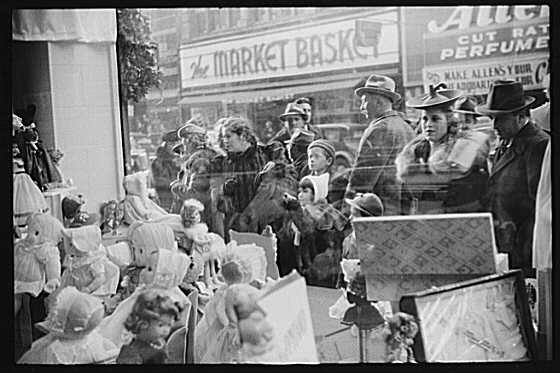
But the renaissance is real, and the downtown is probably as crowded with people as it used to be, if not more so. They are doing different things, and they are more spread throughout the day, but they are there. I’ve seen crowded downtown streets many times, often on days of celebration or when some sporting event or performance is in town. In the dead of winter? Not so much.
But while most of the shops have indeed vanished from Downcity, you can find stores in greater abundance at Providence Place than in the days of yore. True, the mall is not in Downcity. Still, there are a lot more restaurants (with much better food), nightclubs, galleries and venues for live performances in Downcity now than there were. Patrons are generally inside for longer stretches than are the customers of shops, and spend less time literally “on the street.” And don’t forget that downtown is now a residential neighborhood, which it never was in the good ol’ days.
If you put all of these people out on the street at once, they would take some of the sadness out of the Sorrentinian countenance.
The Buddy System
The real unfairness in Sorrentino’s column was to ignore the problem that the renaissance had to address. Suburban flight had long ago hurt downtown, so city fathers came up, in 1960, with a plan of revival called Downtown Providence 1970. Basically, the idea was to use urban renewal to make the city uglier. Westminster Mall and Weybosset Hill were both turned into dead zones.
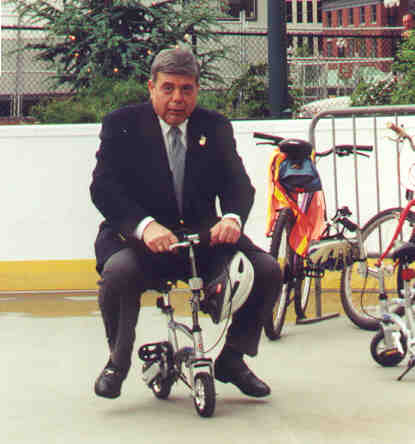
The plan’s predictable belly flop was followed by Buddy Cianci’s first administration. What did he do? He started to restore the old facades. But he also lifted the residency requirement for city workers, increased the city’s property tax and instituted an inventory tax on businesses. These policies sent homeowners and businesses fleeing the city, bolstering the population, commerce and revenues of Cranston, Johnston, North Providence and other suburbs.
Why? The only plausible explanation is that Buddy wanted to run for governor, and sought to turn city voters into statewide voters. That didn’t work either. But in this case, justice was not poetic. Buddy lost to Gov. Joseph Garrahy in 1980, remained in City Hall, left, returned, left again, and finally tried to return again. That, parse it how you will, is history.
The Best and Worst of Providence: How we Rank

#2 Most Attractive
Here is what Travel + Leisure writes about the beautiful people in Providence:
Here’s proof that the nerd factor can translate into sex appeal. The locals in this college and arts town—which readers loved for both its fine dining and pizza—also scored well this year for being sophisticated. You can get a glimpse of some attractive locals at Providence’s highly ranked coffee bars like New Harvest Coffee Roasters downtown.
Providence is really hip. It is now deemed the 4th best hipster city in the U.S.
The Grange, the new Dean Hotel and other Providence spots get called out by the New York-based travel publication Travel + Leisure which has ranked Providence #4 on its list of cities with "America's Best Cities for Hipsters."

#4 Hipster
4th most Hip in the nation
Providence gets points for its ranging collection of college students, great shopping and attitude. They might have included the great new emerging media too - may be next time.
Who does Providence beat?
Providence scored ahead of cities like NYC, Denver and Portland, ME. Boston was way back at #14 rank.
Here’s the top five:
1. San Francisco, CA
2. New Orleans, LA
3. Portland, OR
4. Providence, RI
5. New York, NY
With its high per-capita of nerdy students and artists, this Rhode Island city climbed two spots in the hipster rankings this year—but also scored well for having sophisticated locals. Downtown has an emerging hipster culture (consider the soon-to-open Dean Hotel, housed in a former brothel). On the west side, you can order vegan cuisine at The Grange, hear concerts at the Columbus Theatre (with a clever 1492 seats), or browse the vintage fashions, ceramic poodles, and kitschy kitchenware at Rocket to Mars.

#9 Most Strange
Providence's strange, unusual and weird residents have cause for celebration, because Travel + Leisure has ranked Providence #9 on its list of cities with "America's Strangest People."
According to the travel publication, Providence's strangeness shines due to its unique theater scene, nontraditional grilled pizza, its flea markets, and its unconventional display at the Big Nazo puppet theater.
Here's how Travel + Leisure ranks Providence's top unusual attractions nationally:
Flea Markets: 19
Theater/Performance Art: 4
Pizza: 2

#11 Worst For Babies
It looks like Providence may not be the ideal city to raise a child in. A new report by the Daily Beast entitled The 15 Worst Cities to Have a Baby, From New York to Miami has ranked Providence as the #11 worst city to have a baby.
Here’s the data:
Cost of baby’s first year: $26,700
Cost as percentage of household income: 50%
Ob/Gyns per 100,000 residents: 13.3
Population under 5 years old: 5.3%
Avg. commuting time: 24.5 minutes
Playgrounds per 10,000 residents: n/a

Top Under The Radar Spot
Providence deserves the world's attention, according to a BBC list that placed Providence among the top 21 under-the-radar destinations of the world. The capital city earned a place alongside such exotic locations as the Sequoia and King’s Canyon National Park in California and Kiso Valley in Japan.
The BBC listed Providence’s prestigious univerisities and art galleries, its 18th Century architecture, and its luscious tree-lined streets as major attractions. The food and art offered by Federal Hill and Fox Point’s Italian and Portuguese communities were also highlighted. The listing recommended visits between May and October when flickering flames light up Providence’s waterways during WaterFire.
Thanks BBC, but you’ve only scratched the surface of Providence!

#22 Fit City
Providence may have mastered pizza and burgers, but it seems we have a way to go when it comes to health and fitness. The city placed #22 in this year’s American Fitness Index, released in May 2013 by the American College of Sports Medicine, which ranked the 50 largest metropolitan areas in America.
Placing Providence well behind Boston and Hartford, the report indicated that Providence has high levels of obesity, diabetes, and smoking. On a more positive note, the report praised Providence’s extensive farmer’s markets, parks and playgrounds, and percentage of people cycling or walking to work.
The top ranked city in the U.S. was Minneapolis, with few listed areas for improvement.

#8 Beer City
Providence knows how to brew and serve craft beer, according to Travel + Leisure, which ranked it #8 in its latest America's Best Beer Cities reader's poll, released in May, 2013.
T+L highlights as evidence of Providence's hot hops scene: "

#28 in Feeling Safe
How safe does the Greater Providence area feel at night? As safe as Detroit, according to April 2013 Wellbeing Poll results from Gallup.
When asked by Gallup pollsters whether they felt safe walking alone at night in the city or area where they lived, 70% of residents in the Providence/New Bedford/Fall River MSA said yes. That percentage put Providence at the #28 spot among the US's 50 largest metropolitan statistical areas, and tied with Detroit and Richmond, VA.

#47 in Growth
Providence maintained its unenviable #47 ranking among the Fastest Growing Cities in the US from Forbes Magazine, released in March 2013.
The capital city's barely positive growth in population is behind the ranking. With a 2012 population of 1,601,374, Providence has experienced only 0.9% growth since 2000, and only 0.1% growth since 2011.

#2 Best Pizza City
Providence maintained its spot for another year as the #2 Best Pizza City in America in February 2013 results from Travel + Leisure Magazine's Favorite Cities poll.
Providence held onto its silver medal, according to T+L's Katrina Brown Hunt, "perhaps because, like Chicago, it offers an only-in-Providence pie: grilled pizza, where the dough is cooked on one side, then flipped before the toppings are added."
T+ L recommended Bacaro, "whose chef is from Al Forno, home of the original grilled pizza." To go a layer deeper into the city’s pizza culture, sample the pizza strips—topped with just sauce—found at LaSalle Bakery.

#56 Best Small Biz City
Providence ranked a mediocre #56 among 102 of the largest metropolitan areas for small business, according to a February 2013 ranking from The Business Journals of Best Cities For Small Business.
In New England, Providence's ranking put it at #5 among the region's major metropolitan areas. Boston took top honors in New England at #1 (#14 nationally), followed by Portland, ME (#18 nationally), Bridgeport-Stanford, CT (#39 nationally), and Hartford, CT (#55 nationally). Behind Providence's #56 ranking were New Haven, CT (#84 nationally), Worcester, MA (#87 nationally) and Springfield, MA (#95 nationally). Photo: Adam Jones, Ph.D. - Global Photo Archive/flickr

#10 Drunkest City
It's sobering news in the capital city, according to the January, 2013 assessment of America's Drunkest Cities by The Daily Beast.
Providence, which ranked #10, had the following to say for itself:
Avg. alcoholic drinks consumed by adults per month: 14.1
Percentage of population classified as binge drinkers: 17.6%
Percentage of population classified as heavy drinkers: 5.7%

#39 For Women's Health
If you're female, Providence is far from the healthiest place to be, according to Self Magazine's latest ranking of the Healthiest Cities for Women.
"This city has an above-average rate of high blood pressure, and the smoking rate here was nearly 3 percent more than the average of the metro areas covered," according to Self.
Providence was able to claim the #10 spot nationwide in number of Farmer's Markets in the overall assessment.

#6 For Strangeness
Providence repeats its 2011 performance in the Travel + Leisure Reader's Poll as the #6 most freaky city in America.
"The Rhode Island capital gets its flair from loads of college students and artists," according to T+L's Katrina Brown Hunt, who advises visitors to head to the West End for a concentration of underground galleries and avant-garde performance spaces. "After all," she says, "Providence ranked No. 3 for its theater scene. Even its No. 2–ranked pizza—often grilled—is quirky."

#13 For Attractiveness
Providence manages to squeak out a middling performance when it comes to attractiveness, based on the latest ranking from Travel+ Leisure's America's Favorite Cities poll.
The country's #1 most attractive city this year was Miami, FL, followed by #2 San Diego and #3 San Juan, Puerto Rico. Rounding out the Top 5 were Charleston, SC and Los Angeles, CA. Boston, MA was the next-highest performing New England city after Providence, at a less-attractive #20.
#5 City for Working Moms
Providence moved boldly into the Forbes Top 5 Best Cities for Working Mothers for 2012, combining earning power, access to healthcare, reasonable commutes, investments in education, and child care cost. In 2011, Providence came in at #11.
Here's the latest numbers, used by Forbes:
Women’s Annual Earnings: $32,187
Physicians Per 100K: 285
Average Commute: 27 minutes
Expenditure Per Pupil: $15,375
Cost of Childcare: $1,140
Top 10 City For Romance
Yahoo Travel credits Providence with having "small-city New England flavor," granting it Top 10 status as an Unexpectedly Romantic US City.
"Its lovely neighborhoods and compact downtown offer a delightful New England flavor, with just enough urban buzz to keep it interesting," says Yahoo Travel.
And what better way to light your love fire than at WaterFire? Yahoo's Melissa Burdick Harmon recommends booking a gondola, of course.
Local restaurants also get love for romance, including Hemenway’s Seafood Grill and Oyster Bar; New Rivers, and Cook & Brown Public House. Photo: maplessinseattle/flickr
#1 Best Burger City
When it comes to burgers, Providence reigns supreme, according to Travel + Leisure.
The capital city snagged the highest honor in the May 2012 Travel + Leisure's America's Favorite Cities survey, naming it the #1 Burger City in America.
Read more about Providence and burgers, here.
Photo: ndstrupler/flickr.
#1 Eye-Healthy City
Clearly, the eyes have it, locally. Providence was named the the #1 eye-healthy city in the country in June 2012 by VSP Vision Care, the nation's largest not-for-profit vision benefits and service provider.
In its first-ever Eye Health City Index, VSP calibrated its ranking based on the percentage of people who received an eye exam in 2011 among those who have Vision Care vision benefits in markets where VSP covers 100,000 people or more.
Read more about Providence and eyes, here.
#5 Best City For Sex
The residents of Providence seem to be having quite a bit of sex, according to the wellness Web site RealAge.com in its 2012 Youngest and Oldest Cities in America Report, released in March, 2012. So much so, in fact, that the capital city landed in the Top 10 nationally for Best Places for Sex for men and women.
The survey broke down active and rewarding sex lives along gender lines in the 2012 report. For women, Providence landed as the #8 best city for sex. For men, the city ranked even higher: #5.
For more on sexy Providence, go here.
#6 Best City for Hipsters
The hip honor for Providence in April 2012 was the latest round of Travel + Leisure's America's Favorite City Survey, where readers rank 35 metropolitan areas on culturally relevant features like live music, coffee bars, and independent boutiques. To zero in on the biggest hipster crowds, T+L says it factored in the results for the best microbrews and the most offbeat and tech-savvy locals.
Read more about hipster Providence, here.
#8 Best Dining Out City
A new August 2012 ranking by Trulia and Forbes.com ranked Providence as #8 best place to live in America for eating out.
The capital city can brag that it has 24.3 restaurants per 10,000 households, according to Trulia's analysis. And on the list of Trulia's Top 10, Providence provides the best bang for the buck, posting a median price per square foot of homes listed for sale at $146--the lowest among the top 10.
Read more about Providence and dining out, here. em>
Photo: Skazama/flickr.
Top 10 Hockey City
As puckheads go, Providence is among the best, according to bleacherreport.com. The sports blog named Providence one of the top ten non-NHL cities in the entire country in July 2012.
While no specific criteria was given for the blog's choice of top ten non-NHL hockey cities, it did mention that support for minor pro, collegiate and junior teams are generally the most indicative aspects of a community's hockey loyalty.
Read more about Providence's hockey status, here.
#12 Affordable Getaway
Providence is not only full of riches, but full of them for a great price. The capital city made the Top 20 Best Affordable US Cities Getaways for 2012 in February 2012, courtesy of the getaway gurus at Travel + Leisure magazine.
Providence snagged the #12 designation on the ranking, based on T+L's popular annual America's Favorite Cities survey.
To read more about affordable Providence, go here.
Photo: Eric Bennett/flickr.
#14 Most Walkable City
Providence has another notch in its walking stick, having been named by Prevention Magazine in April 2012 as one of the 25 Best Cities for Walking in America.
The capital city took the #14 spot nationwide in the well-known health publication's latest assessment of major American cities where "pedestrians give wheels a run for their money."
Read more about Providence's walkability, here.
Photo: o5com/flickr.
#18 Rudest City
Providence kicked off the new year in January 2012 by being named one of the Top 20 rudest cities in America in the annual vote of Travel + Leisure readers. Specifically, the city of stop-sign-ignoring, line-cutting, and the occasional hurled expletive, took the #18 spot.
You want to read more about rude Providence? Go here.
#21 Porn Capital
While mayors may have pushed adult entertainment district to the outskirts, Providence still ranked among the 25 most porn-friendly cities in the country, according to Men's Health.
The ranking of America's Smuttiest Cities, released in April 2012 by the popular magazine, assessed the smuttiness of the 100 largest cities in America. Providence came in at a pretty tawdry #21 overall--just outside the Top 20.
For more on smutty Providence, go here.
#24 Manliest City
In one the most fantastically unscientific rankings of the year (and one of GoLocal's favorites), Providence jumped three spots in the June 2012 COMBO's "America's Manliest Cities," ranking #24 this year.
Even better, Rhode Island's capital is the manliest city in all of New England, dominating Boston in the snack-food-sponsored ranking, which finished at a very unmanly #47.
To read more about manly Providence, go here.
#50 For Job Creation
It was not good news in March 2012 when Providence ranked dead last on Gallup's Job Creation Index among the 50 largest U.S. metro areas in 2011.
While cities like Oklahoma City, Pittsburgh and Richmond led the United States in job growth, Providence scored the lowest of the top 50 metro areas.
For more on job creation in Providence, go here.
#66 Best City for Seniors
Providence has just been named the #66 city in the US for seniors, according to the latest Best Cities for Successful Aging Index from the Milken Institute. The index assesses 78 indicators in 8 subcategories to derive its rankings, which were released just last week.
Among the 8 subcategories in the ranking, Providence posted its best performance by far in Community Engagement, ranking #8 overall, with a score of 91.91, 21 points above the national average for large metros.
For more on seniors in Providence, read here.
Photo: Mood Board Photography
#95 Best Drivers
In March 2012, Men's Health magazine crunched all the numbers and came up with the worst drivers in the United States. They ranked the cities from 1 to 100 and guess where the Capital City came in? At nearly the bottom of the barrel, at #95. Only 4 other major metropolitan areas were worse than Providence.
Go here for more on Providence's drivers.
#178 City For Business
For businesses looking for the best city to locate, Forbes Magazine released an annual ranking of which cities and metro areas are strongest – a comprehensive measure ranging from education and job growth to the overall business environment.
The news was bad for Providence, which ran a discouraging #178 out of 200.
For more on Providence's business ranking, check here.


