


In Praise of the Post Office –– Architecture Critic Morgan
Will Morgan, Architecture Critic
In Praise of the Post Office –– Architecture Critic Morgan

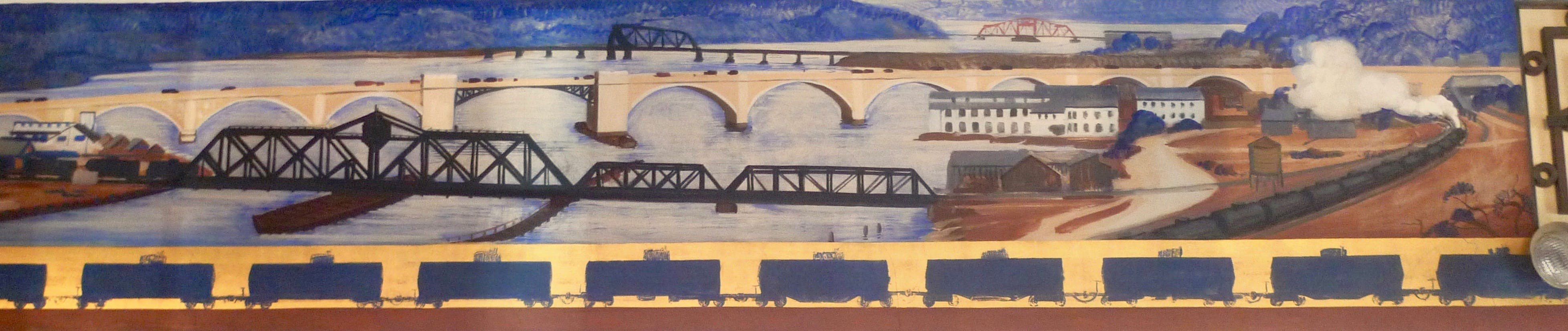
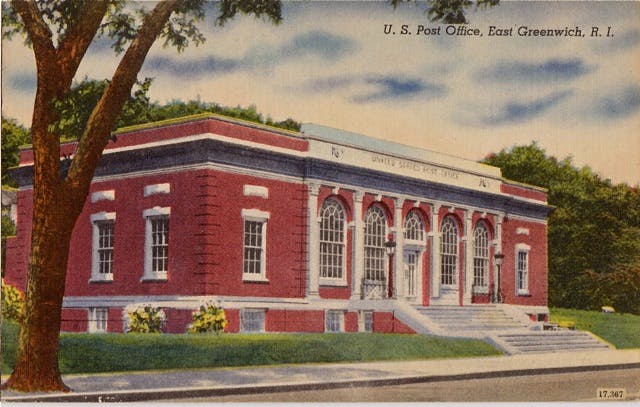
Despite insensitive alterations over the years, the classical woodwork, tiles, and WPA murals make East Providence an example of beautifully designed post offices of the past.
GET THE LATEST BREAKING NEWS HERE -- SIGN UP FOR GOLOCAL FREE DAILY EBLAST
Add the crush of holiday shipping, and we are reminded of how much America depends upon the USPS. A postal clerk at the Thayer Street station told me how irritated customers have been with Covid distancing restrictions. There's nothing to complain about: Your Christmas packages to Aunt Min in Kansas or the grandkids in Virginia are delivered quickly and safely for what seems a modest charge. Postal workers have been frontline heroes during the pandemic, helping the keep the country connected.
The physical post office is the embodiment of the miracle. More than just a convenient place to buy stamps, mail packages, and peruse wanted posters, the post office is similar to a public library–a temple of democracy. Like a pub in an English village, the post office is a meeting place where news is exchanged, while the architecture of post offices used to serve as manifestations of national pride.
From 1852 to 1939, the federal government constructed all post offices, courthouses, and customs houses; the Supervising Architect of the Treasury designed almost all of them. Many of the supervising architects were significant designers who upheld standards of probity in presenting America's public face.

Following World War II, rapid population growth, the ubiquity of the automobile, and the development of the suburbs hastened the decline of "Main Street." Exemplary post office design was pretty much a thing of the past.
In 1970 President Nixon signed the Postal Reorganization Act, which transformed the Post Office Department into the more corporate Postal Service. Prior to this act
Congress oversaw all aspects of mail delivery, but the attempt to run the Post Office strictly as a business failed as a commercial enterprise.

It seems unlikely that our post offices will again be temples of the commonweal. But we do know that attempts to run the Postal Service "like a business" with no government support has clearly not worked. The Post Office is a necessity, a public utility, like roads or municipal water.
Let's ask the Biden administration to reward the Postal Service by extending it meaningful government support. This conveyor belt of American commerce deserves taxpayer dollars more than do tin pot dictators, desert princes, and scads of far less worthy domestic programs.
