LEGAL MATTERS: You Give Up All Privacy When You Cross The Border
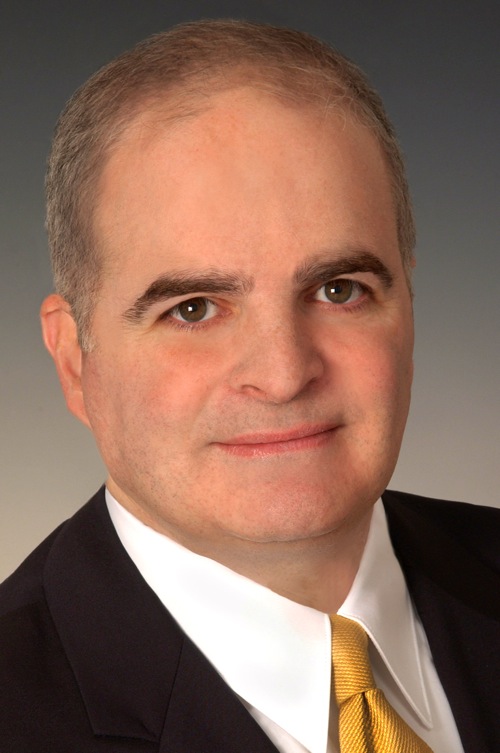
John T. Longo, GoLocalProv Legal Contributor
LEGAL MATTERS: You Give Up All Privacy When You Cross The Border

1) You have no rights. At the border, the government has almost unlimited authority to detail, search and question anyone it suspects may be up to no good – including U.S. citizens. Trying to argue about your rights during a secondary screening will only make it a more unpleasant experience.
2) The government can search everything. You are probably prepared for them to search your car or luggage. But are you ready for them to search and copy your computer hard drive? Your phone? Your digital camera? You better be. The 4th Amendment protects you from unreasonable government searches and seizures but it does not apply when you cross the border. And don’t rely on passwords or encryption to protect your data; the government can plow through both to get what it wants at the border even if you refuse to give them access. (The good news is only about 15 people a day are subjected to what Customs and Border Protection calls “electronic media searches.”)
GET THE LATEST BREAKING NEWS HERE -- SIGN UP FOR GOLOCAL FREE DAILY EBLAST3) Have your data backed up. The government may hold on to your electronic devices for a few weeks. That could be crippling if you don’t have your data stored anywhere else. It will only be inconvenient if you have it backed-up on-line (i.e. iCloud, DropBox, Google Drive). Since it may take you a few hours to get to an internet connection, be sure you have your key phone numbers written down on an old fashioned piece of paper.
4) Budget at least two hours to cross the border. No one wanders across the border; you, and everyone else being screened, crossed it on your way somewhere else. So don’t expect special treatment if you start whining about missing a connecting flight or missing the wedding you were going to.
5) Consider trading privacy for speed. If you are willing to pay $50 - $100, and you’re willing to open up your private life to government scrutiny, there are a number of Department of Homeland Security programs that will decrease the odds of you being selected for a secondary screening. They include the Sentri program (for travel to and from Mexico), Nexus (Canada) and Global Entry (for most other places).
A secondary screening can be an unpleasant experience but it can also be a frightening one involving handcuffs, strip searches and separation from the people you are traveling with. For some harrowing examples of what US citizens have endured at the border, check out these sources:
- On The Media’s My Detainment Story or: How I Learned To Stop Feeling Safe In My Own Country And Hate Border Agents podcast.
- North American Congress on Latin America’s Border Wars blog where people share their border crossing experiences.
- The Nation’s The US-Canada Border’s Constitution-Free Zone article.
Don’t be afraid to cross the border – remember 96% of the people cross it without a problem. Just understand that it may not be as easy as a TSA airport screening.