


RI “Cheat Sheet” — Hot Spots for Grads, Teachers' Apartment Affordability, RI Slow Growth
GoLocalProv
RI “Cheat Sheet” — Hot Spots for Grads, Teachers' Apartment Affordability, RI Slow Growth
The weekly feature focuses on important and interesting numbers, data, and high-value factoids that impact Rhode Island and the economy.
1) Looking for the Hot Spots for College Grads?
GET THE LATEST BREAKING NEWS HERE -- SIGN UP FOR GOLOCAL FREE DAILY EBLASTThe Wall Street Journal says these are the three cities that are emerging as the next hot spots for college grads.
“So where can a new graduate find a solid footing on the career ladder, a lively entertainment scene and enough of a paycheck to enjoy it?
To determine the next potential hot spots for entry-level professionals, The Wall Street Journal pored over dozens of metrics, including housing costs, the number of highly rated bars and restaurants, and growth in tech employment—a tell-tale indicator of a dynamic job market," wrote the WSJ.
Here are three “sleeper” cities that stand apart:
Baltimore
Pittsburgh
Salt Lake City

2) RI's Slow Growth
In an editorial in the Wall Street Journal, "Connecticut’s Tax Roulette: Democrats in Hartford try to drive more hedge funds out of state," -- the WSJ points out that Connecticut is still doing better than RI in GDP growth.
"Population flight is taking a toll on [Connecticut's] economy and budget. Last week the federal Bureau of Economic Analysis reported that Connecticut’s GDP grew a paltry 1% in 2018, 44th in the country and the slowest in the Northeast after Rhode Island. The U.S. economy grew about 3%," wrote the Wall Street Journal editorial.
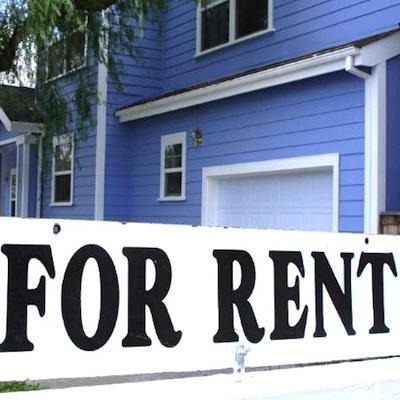
The national numbers for the median income across primary and secondary school teachers with bachelor’s degrees is 27.4 percent less than that of non-teachers with bachelor’s degrees. For teachers with Master’s degrees earn 33.3 percent less than similarly educated non-teachers. These wage gaps are even more extreme for preschool and kindergarten teachers.
But, in the Providence-Warwick metro, the numbers are better. The median income for teachers in RI is on average is $70,000 versus the non-teacher with a bachelor's degree -- a difference of just 1.4%.
The cost burden ratio of affordability of an apartment in the Providence area is actually better as compared to non-teachers but not as large a gap as many cities. In Charlotte, the cost burden is 77 percent higher for teachers versus non-teachers with a bachelors degree. In the Providence metro area it is 6.3 percent lower for teachers.
"Teacher cost burden rates are highest in expensive coastal metros. Of the 25 largest metros, Miami has the highest cost burden rate for primary-earner teachers at 35 percent, followed by San Francisco, Los Angeles, San Diego, and Washington D.C," according to Apartment List.
4) Recession Worries in RI
See Len Lardaro's monthly Index on the RI economy. Lardaro said in an email, "I continue to remain unable to reject the possibility that Rhode Island has entered the earliest stages of a recession."