


Thoughts on Dumbing Down Politicians, Visual Illiteracy, and I-195
William Morgan, GoLocalProv Architectural Critic
Thoughts on Dumbing Down Politicians, Visual Illiteracy, and I-195
It appears unlikely there are going to be any really important issues discussed in this election. Even though the focus has rarely strayed from ego and trustworthiness, groping and lost e-mails, an election year ought to be an opportunity to debate such topics as the physical manifestation of the national will in city planning, housing, environmental design, and those important matters that define who we are and to what we aspire.
Aside from tossing around the word infrastructure, for example, has either presidential candidate given a hint of whom he or she will appoint as the Secretary of Housing and Urban Development? Or will that once-hopeful product of the New Society remain a sinecure of minority patronage?
GET THE LATEST BREAKING NEWS HERE -- SIGN UP FOR GOLOCAL FREE DAILY EBLAST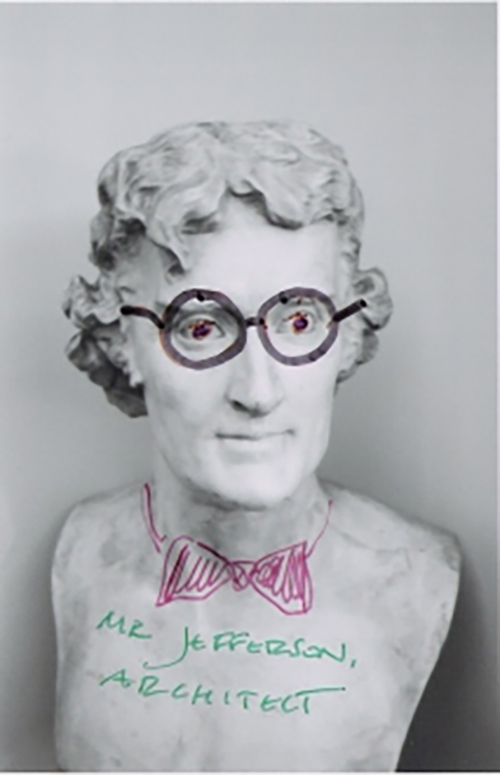
Thomas Jefferson submitted a design for the U.S. Capitol, laid out the White House gardens, and designed the buildings at the University of Virginia, which he founded. As president of Princeton, Woodrow Wilson designed his own house, while he reshaped the university campus into what is arguably the country's most beautiful. Franklin Roosevelt designed his presidential library at Hyde Park, as well as the case for the White House piano. Why is that we no longer want our leaders to be both educated and talented? (Remember in 2004 when John Kerry dared not be overheard speaking French? Or how on the Rhode Island level, gubernatorial hopeful Gina Raimondo played down her Rhodes scholarship.)
Creative Capital?
So, it should not be surprising that we demand almost no knowledge of physical planning in our local elected officials. Is there more to leading Providence than budgets and union contracts, important as they may be? How many legislative candidates are talking about visual literacy, park design, or seriously supporting libraries and public radio?
How can we call ourselves the Creative Capital and yet have such blindness to issues of planning, design, and architecture? This is no more apparent than in the comedy of errors in planning for the absolutely key piece of land made available by the moving of the old I-195/95 connector. That golden opportunity seems mired in politics as usual.
Nice to think that we could do better than the bland-leading-the-bland development that is Capitol Center, a complex that could be just as easily be mistaken for Phoenix or Charlotte or Peoria.
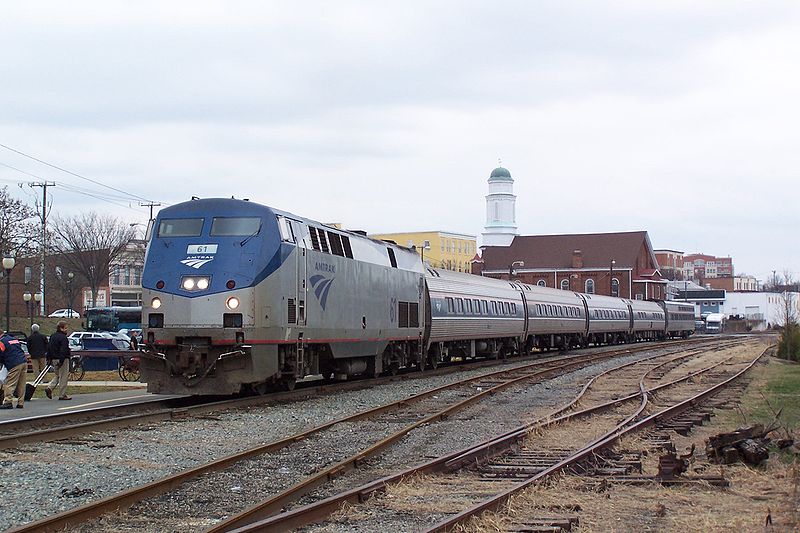
Welcome to Hell: A visitor's less than grand introduction to Providence.
The relocation of a city-wrecking interstate highway was one of the reasons that my wife and I moved to Providence. When we came to scope out the city, we were bowled over at the boldness of a city that would actually correct such a massive urban disaster. But the promise of such boldness has been compromised on many levels.
To begin with, it is really true that the I-195 Commission has no architects on its board? No city planners? No landscape architects? No historic preservationists? No presence from our college and universities, particularly our putatively internationally- respected design school, RISD? Imagine the Supreme Court without lawyers, the Federal Reserve without bankers or economists. Yet, when it comes to planning our cities and environment, we depend on too many bankers and lawyers–not to mention professional sports proponents who cling to the long-discredited notion that a stadium is a viable solution to downtown decay (think Super Dome).
While it is true that architect Bill Warner supplied the design of the blue bridge that spans the harbor, it is a disappointingly wimpy affair. While not unattractive, the superstructure is far too puny–a symbol this important needed to be larger and more dramatic. An urban bridge needs to soar, be poetic (think Brooklyn Bridge).
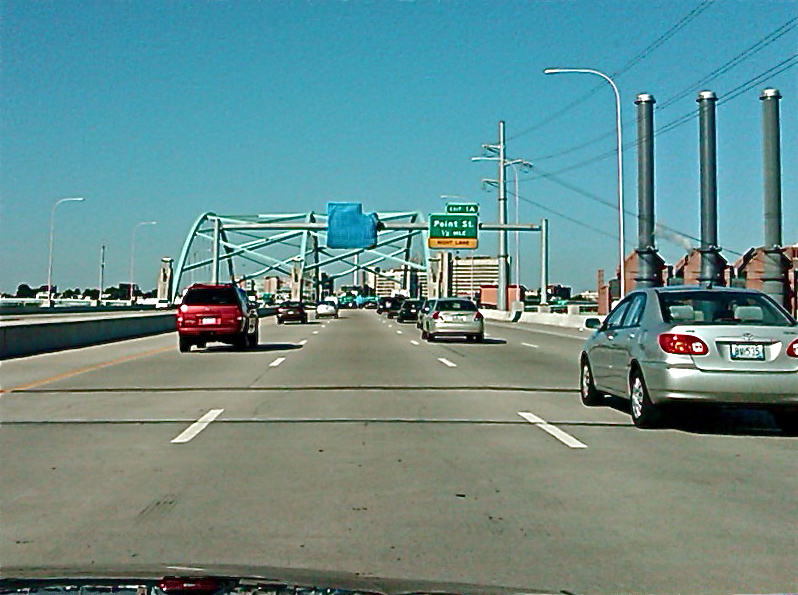
The Little Blue Bridge: rather pathetic piece of urbanscape, especially when compared to the powerful and symbolic power plant next to it.
And what about the failure to come up with a pedestrian bridge across the Providence River where the old highway piers are? Kudos to the city and commission for sponsoring a competition to come up with a walkable span. But black marks for selecting the trite and expensive design by an unheard-of Detroit firm, one probably chosen as a payback to a mayoral supporter. Local architectural superstar Friedrich St. Florian's brilliant second-place scheme languishes. (Remember that it was St. Florian, with Warner, came up with the idea of uncovering the Providence River.)
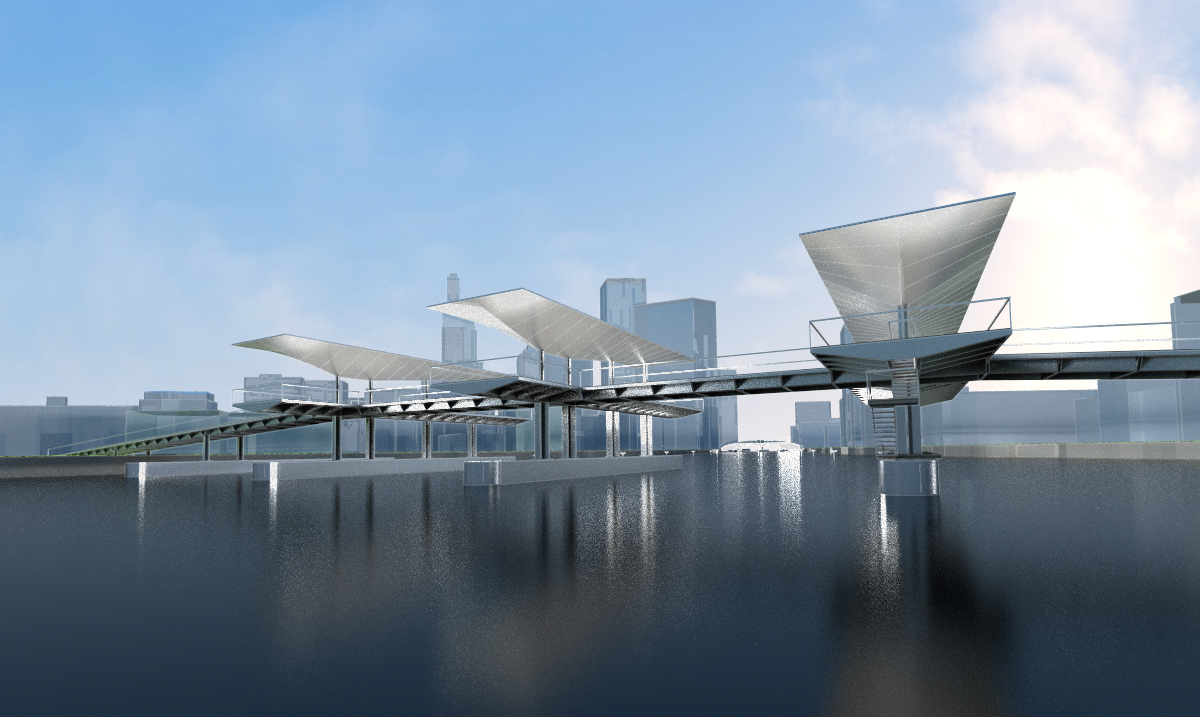
Empty spaces along both sides of the river, waiting for development, make this important area look like the detritus of thoughtless Urban Renewal. And what about the hesitation and silliness in creating an attractive, sensible Gano Street interchange?
When something is actually built in the open lots, the result is disheartening–such as the South Street Landing parking garage. Sadder still is the new Johnson and Wales University College of Engineering and Design. It looks like any other mid-level office building. (How ironic that the Cuisinart College of Culinary Excellence on the same school's Harborside Campus is handsome piece of modern architecture.)
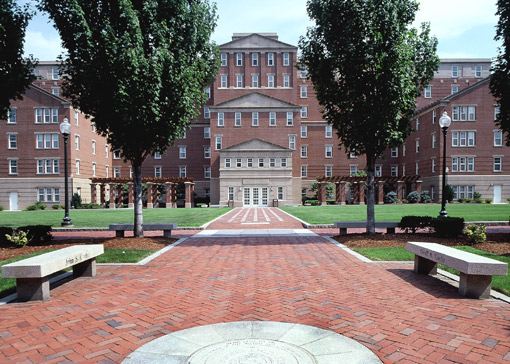
Easily mistaken for a refugee from a suburban office park.
The physical planning of our city and state should garner a lot more interest than whether Tiverton chooses the sleazy casino route to salvation. Democracy is messy. The choice need not be dictatorial design, à la Robert Moses, or laissez faire planning like Houston (where there is no zoning). Ideally, we should have leadership with the vision and chutzpah of Buddy Cianci, but with the probity of Abraham Lincoln. But until then, maybe we should demand that our elected officials have a broader understanding of what makes a city great beyond its fiduciary needs.
Architectural historian William Morgan has taught the history of cities at various universities. He was at the School of Urban Studies at the University of Louisville, at which time he was also the architecture critic of the Louisville Courier-Journal. A collection of his newspaper columns was published as Louisville: Architecture and the Urban Environment.
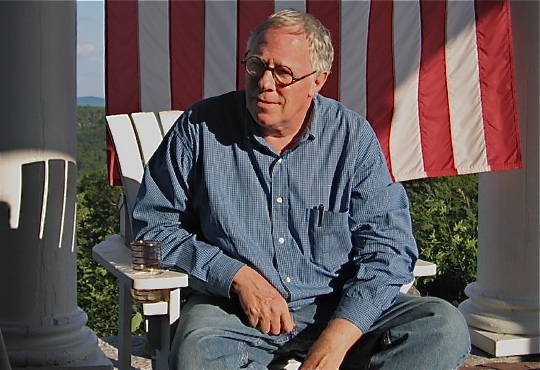
He has written for the New York Times, Architect Magazine, Antiques, Architectural Record, Architectural Review, Boston Globe, I.D., Christian Science Monitor, Design New England, Hartford Courant, New York Times, Providence Journal, St. Petersburg Times, and Smithsonian.
He has been a contributing editor at many of America’s top architectural publications. And, Morgan has taught at Brown, University of Louisville, and Princeton University to name a few.