


Will Pro-Jo’s Pay Wall Really Work?
Jeff Derderian, GoLocalProv Media Critic
Will Pro-Jo’s Pay Wall Really Work?
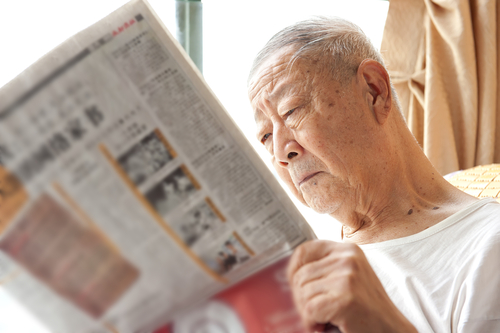
The pressure from the decay of print is becoming overwhelming.
According to PC Magazine, print's decline may be far more rampant than previously forecasted, "A new report from RISI, a company that monitors the paper industry, predicts that combined tablet and e-reader sales will hit 195 million units by 2015. Because of the growth of this burgeoning industry, RISI claims paper use for print media including magazines, newspapers, and books will have declined by as much as -21%, compared to their 2010 production rates. Additionally, over the next 15 years, production could fall by -40 to -50%, the study shows."
GET THE LATEST BREAKING NEWS HERE -- SIGN UP FOR GOLOCAL FREE DAILY EBLASTWhat Will The Projo Paywall Cost?
Because of the explosion of digital information and shifting of media content onto the Web, papers like The Providence Journal have no choice but to revamp and try to rebrand their Web site.
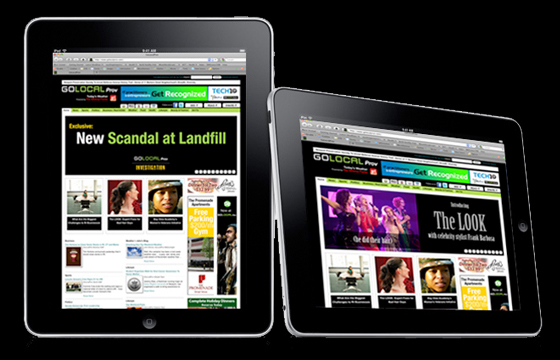
While no formal numbers have been released about what The Providence Journal will charge, it may be similar to what A.H. Belo’s other paper is charging. People who want online access to the Dallas Morning News now find themselves paying about $34.00 per month for the printed paper and then on top of that another $16.95 for full unrestricted access to the Web version of the paper. So add those two together and it comes to about $50.00 per month or $600.00 per year.
Now do you really think people are going to shell out $400.00, $500.00 or $600.00 per year here in little Rhody to read the Providence Journal in printed and online form? This writer says no way. In fact, visitors to the Dallas Morning News site dropped after the pay option was launched.
What’s The Plan?
Here is how it will work on the Pro-Jo’s pay wall as it sits right now. Depending on what you want read on the site will determine paid or non-paid. For example, we hear that if there is news of an event you can get other places for free i.e. an Associated Press story about the track of Hurricane Irene – then you’ll be able to access that for free still. However, if you then decide you would like to check out Bob Kerr’s column, Bill Reynolds, or the Editorial section – it will be time to pay up and under no circumstances will you be able to read more than just a few lines of a story before you are stopped.

Here is a look at some papers that launched pay-walls. In all of these cases, Web site traffic to these newspapers dropped as soon as the pay-to-read plan was put in place according to a survey done by emediavitals.com.
Cape Cod Times (-21.1%)
Worcester Telegram & Gazette (-13.9%)
New York Times (-9.5 %)
Dallas Morning News **owned by company that owns Providence Journal (-9.1%)
It’s Only Going To Get Worse - recently the New York Times dropped their introductory price to just $.99 for eight weeks.
So while the plan to make people pay for Providence Journal content is unproven at best, the news for the future for newspapers just keeps getting worse.
Hold on Providence, Journal and other so called “heritage” newspapers... it’s going to be a bumpy ride.