


Cocktail Insider: Tequila
Steffen Rasch, GoLocalProv Wine Critic
Cocktail Insider: Tequila
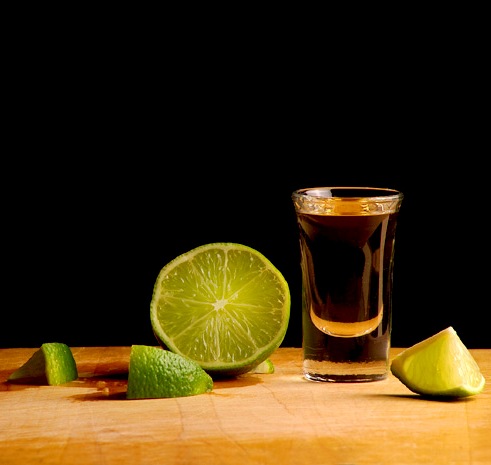
As a Tequila enthusiast I am saddened by the state of Tequila's reputation. If you ask me, no other spirit is more misunderstood, and as a result, underappreciated than Tequila. Playing a role in a good margarita (and there is such a thing) is just the beginning. Great Tequila is a sipping drink—as heady an experience as a single malt Scotch or top-shelf Irish whiskey.
Those of you who know what quality Tequila brings to the table will know what I am talking about. Those who don't, yet... it's time to get acquainted.
GET THE LATEST BREAKING NEWS HERE -- SIGN UP FOR GOLOCAL FREE DAILY EBLASTWhat exactly is Tequila?
But let’s start with the basics; what is Tequila? Tequila is a place. It is a name of a small town, and the beautiful valley surrounding it, located in the southwestern Mexican state of Jalisco. Tequila is also the name of a distilled spirit made from the Blue Agave plant that has been produced in the area for centuries. While there are more than 130 different species of Agave grown in Mexico, only the blue variety is allowed in the production of Tequila.
How is Tequila made? Like a carrot, the Agave grows in the ground with its distinctive leaves sticking out of the ground. After having matured and ripened for between seven and ten years the Agaves are harvested and its leaves chopped off. Once the heart of the Agave is cut into smaller pieces they are cooked and crushed so as to release its sugar-rich juices which are then fermented into alcohol and concentrated through distillation, a procedure which must be performed at least twice.
What to look for on the bottle
Depending on the style of Tequila the producer wishes to make the clear distilled spirit is either filtered and bottled and called Blanco or it is aged in oak barrels (often American Bourbon or French Cognac barrels) so as to smoothen the spirit and add flavor. Tequilas that are aged for at least two months are called Reposado, while Anejos require at least one year of aging.
In a quality Tequila, one that is labeled ‘100% Agave’, all the alcohol in the bottle is derived from fermented and distilled the before mentioned sugar-rich Agave nectar. In Tequilas of lesser quality, when the label doesn’t specifically say ‘100% Agave’ on it, the Tequila is a mixto Tequila meaning they have added other sugars (sugar cane, molasses, corn syrup, etc) to the fermenting juice.
What about the worm?
Let me be as clear as I possibly can. No Tequilas are allowed to have worms in them. Certain Mezcals, which is another distilled spirit made from other Agave varietals, sometimes do but that is for another story.
Similar to wine, the finished Tequila will have a different aromas and flavors depending on the quality of the soil where the Agave is grown, the ripeness level of the Agaves at harvest, the diligence shown in the distillery, as well as the type and age of barrels used for aging. A one year old Cognac barrel, for example, will infuse the Tequila with much different flavors than say a 5 year old bourbon barrel.
Everyone has their favorite style, but most Tequila connoisseurs prefer Blanco Tequila because it is the distiller’s purest expression. No makeup here. When at their best Blanco Tequilas can be floral and often display distinct Agave flavors. These can come across harsh in lesser quality Blancos but in quality examples the flavors are balanced and the alcohol integrated. Anejos are different because of the complexities often added after the oak has done its job. Anejos are often much more smooth with bigger flavors, alongside caramel and spice notes. Regardless of the style Tequila should always be served neat in a small snifter. I serve Blanco Tequila from the refrigerator.
Next week: Where in Rhode Island to get the best tequila.