


Grow + Eat Your Own Oysters With New RWU Program
GoLocalProv Food Team
Grow + Eat Your Own Oysters With New RWU Program
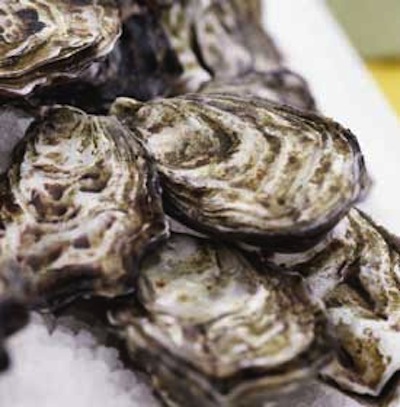
With a new approval process for recreational oyster farming launched by the state’s Coastal Resources Management Council (CRMC) and a dockside aquaculture package offered by Roger Williams University that will include the required education, equipment and seed oysters to start, recreational oyster farmers can be up and running in the coming months.
While startup costs will require a financial investment, fees will be used to support the restoration of Rhode Island’s natural oyster population via the Oyster Gardening for Restoration and Enhancement program (RI-OGRE), which operates out of the University’s Center for Economic and Environmental Development.
GET THE LATEST BREAKING NEWS HERE -- SIGN UP FOR GOLOCAL FREE DAILY EBLAST“This is a one-of-a-kind opportunity for Rhode Islanders who both enjoy oysters and care about our coastal environment,” says Dale Leavitt, associate professor of marine biology at Roger Williams. “Not only do you get to raise your own oysters to eat–but because proceeds support RI-OGRE, you’ll play a part in restoring the state’s wild oyster population as well.”
The following information outlines who can participate and how the dockside aquaculture program will work:
-
First, the program is limited to individuals who own CRMC-registered docks located in Rhode Island waters approved by the Department of Environmental Management for “the taking of shellfish for human consumption.” Visit www.dem.ri.gov/maps/mapfile/
shellfsh.pdf for maps of approved / prohibited waters. -
For those with docks in approved waters, the CRMC licensing procedure requires that participants complete a recreational shellfish aquaculture course that covers topics including oyster biology, growout systems, predation/disease risks, and permitting and regulations. To allow aspiring farmers to fulfill this requirement, the University will offer a Recreational Shellfish Farming course over three Saturdays this summer–July 20, July 27 and August 3–from 9 a.m. to 1 p.m. each day. - The course will culminate in a completed Recreational Aquaculture Application, which RWU will submit to the CRMC in August to obtain the recreational aquaculture license.
- Once the license has been acquired, each participant will receive a set of growout equipment tailored to his or her dock configuration, location and exposure to weather.
- After installation (likely in September) participants will receive approximately 2,000 one-inch seed oysters from the University’s Luther H. Blount Shellfish Hatchery to raise in the growout gear.
- With good management and careful tending over the next year, a healthy percentage of the oysters should be appropriately sized for consumption by Fall 2014.