Leather Storrs: Why You Should Stop Buying Salad Dressing
Leather Storrs, GoLocal Contributor
Leather Storrs: Why You Should Stop Buying Salad Dressing
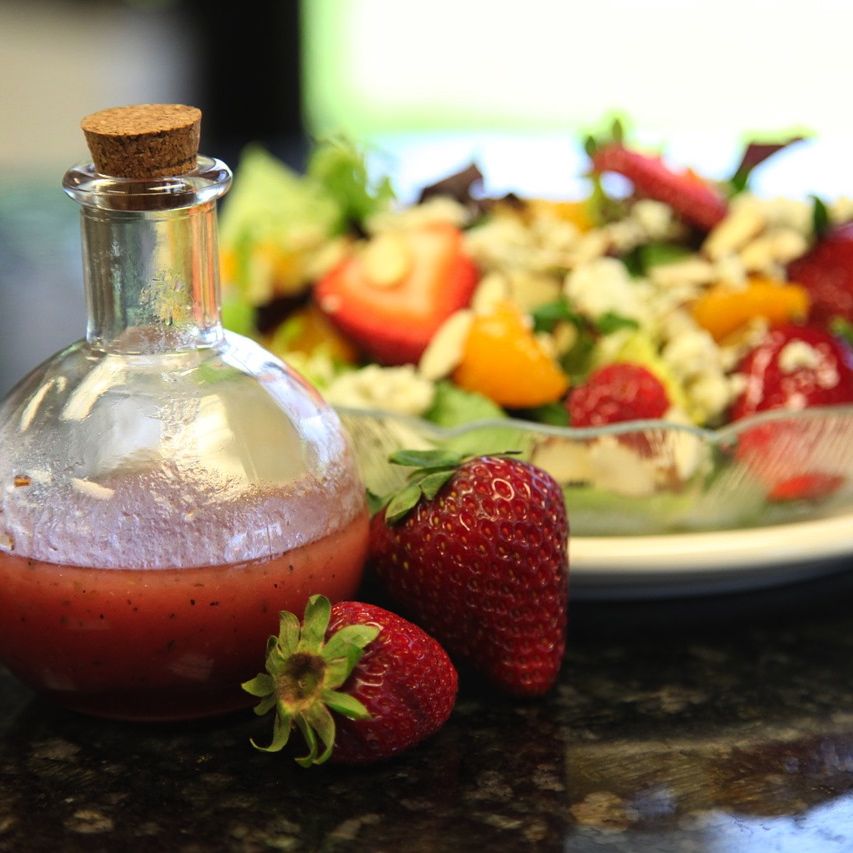
Pare down mercilessly, your Aunt won’t know you threw out her famous wine cooler mustard and besides, it’s from last century. And you can’t stop people from giving you chutney, but you can clear space and keep it clear by doing one simple thing: stop buying salad dressing!
A trip down the dressing aisle proves that vinaigrettes are big business. However, unless there’s a formula you simply can’t live without, it’s easy to get off the grid. And in addition to saving money and reducing packaging, you’ll be eating less preservatives, stabilizers and xanthan gum.
GET THE LATEST BREAKING NEWS HERE -- SIGN UP FOR GOLOCAL FREE DAILY EBLASTI have a vinaigrette master recipe that informs almost every dressing I make and it goes like this: acid + oil + mustard + allium (onion family) + seasoning= vinaigrette. Given the variety of ingredients in each category, the algebraic permutations of this formula are staggering. Let’s start out easy.

At the intermediate level (you need a blender), here’s an Asian inspired dressing that is a bit more challenging: Lime juice, rice vinegar, Dijon mustard, sesame oil, shallot & garlic, ginger, carrot, fish sauce, salt and pepper. Ginger, carrot and fish sauce join salt and pepper on the seasoning team. This dressing flips the ratio of oil to vinegar so it’s less caloric and not so viscous.
Put ¼ cup each lime juice and rice vinegar in the hopper of your blender with a ping-pong ball sized shallot, 1 clove of garlic and 1 tablespoon chopped ginger. Add a carrot, a couple glugs of fish sauce and buzz it smooth. Add 2 tablespoons of sesame oil and buzz just to combine. Adjust seasonings to your taste. This is exceptional on napa cabbage or a grilled beef, cucumber, onion and tomato salad.
Obviously there are exceptions to this formula, but it’s a terrific frame on which to hang your own inventions. Acids include all vinegars, citrus juices, ver jus (unfermented grape juice) and any brine. Oil choices are dizzying; same with mustard. Allium could be garlic, shallot, leek, scallion, onion, ramp or even edible lily bulbs, but the “seasoning category” is the biggest of all. Think herbs, citrus zest, cooked rhubarb, yogurt, sriracha, sesame seeds, roasted peppers, cheese, toasted spices, avocado…. Now get cracking.