


The Cellar: 3 Discoveries to Buy Right Now
Steffen Rasch, GoLocalProv Wine Critic
The Cellar: 3 Discoveries to Buy Right Now
2010 Domane Wachau Federspiel Terrassen Grüner Veltliner
The backstory: One of the wines I find to be among the most underappreciated; one that represents a great value for quality minded consumers are the wines made by the indigenous Austrian varietal known as Grüner
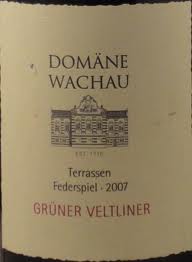
The wine: Domane Wachau is a great producer and the largest cooperative in Austria’s Wachau valley, made up of 600 contributing members farming approximately 500 hectares, or a full one third of the total region’s vineyards. While some of the grapes from the cooperatives' largest suppliers make ‘single vineyard’ wines, most of the smaller ones are blended together in the ‘Terrassen’ wines. If you have never had a Grüner Veltliner, the 2010 Domaine Wachau is a great entry-level example offering beautiful tropical and citrus aromas, plenty of fruit, alongside undeniable spice notes. Try this dry, medium-bodied wine with goat cheese and honey and pay attention to how the acidity in the wine plays with the sweetness of the honey and the tangy, earthy flavors of the cheese. Great pairing! (B+)
GET THE LATEST BREAKING NEWS HERE -- SIGN UP FOR GOLOCAL FREE DAILY EBLAST2009 Viu Manent Reserva Carmenère, Colchagua, Chile
The backstory: This week’s second wine is made from another overlooked varietal; Carmenère. As a matter of fact, Carmenère was close to becoming extinct altogether when the 1863 European outbreak of
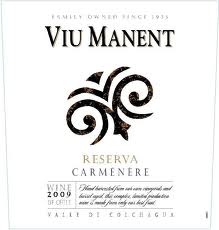
The wine: Carmenère is thought to be a long-established clone of Cabernet Sauvignon. The big difference between the two is the juice-to-skin ratio, which in Carmenère grapes is much higher, and as a result, tends to produce wines that are less astringent than Cabernet Sauvignon making them approachable much earlier. The award winning 2009 Viu Manent Reserva is gracefully matured in oak and shows concentrated dark fruits with hints of smoke and spice on the finish, with smooth tannins. Let this $12 delight decant for a couple of hours and enjoy. (B+)
2008 Domaine de Fontsainte Rouge, AOC Corbières, France
The backstory: For this week’s last wine we travel to Southeast France, and pay a visit to one of country's largest wine regions, the Languedoc-Roussillon. Among the many appellations in this high-producing region, I
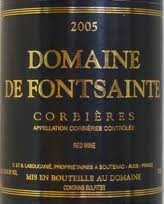
The wine: One of the ways winemakers have been experimenting with Carignan is by blending in other grapes to add expression, character and flavor. The inexpensive 2008 Domaine de Fontsainte Rouge is a great example of this, consisting of 60% Carignan, 30% Grenache (for added red fruit notes and spice) and 10% Syrah (for added dark fruit notes and body). The result is an interesting wine. The initial attack is filled with ripe fruits making you think you are in for something sweet. Then it turns dry, acidic and tannic on the mid-palate. But a solid dose of dark fruits and spice on the transition to the finish makes the wine come across strangely well-balanced as it lingers on. This is a wine that craves food and a few hours of decanting. (B)
Enjoy!
If you have any wine-related questions, comments or concerns feel free to contact Steffen Rasch by emailing [email protected]. And as always, don’t forget to follow GoLocalProv’s Wine Cellar on Facebook.