


The Cellar: The King: Amarone
Steffen Rasch, GoLocalProv Wine Writer
The Cellar: The King: Amarone
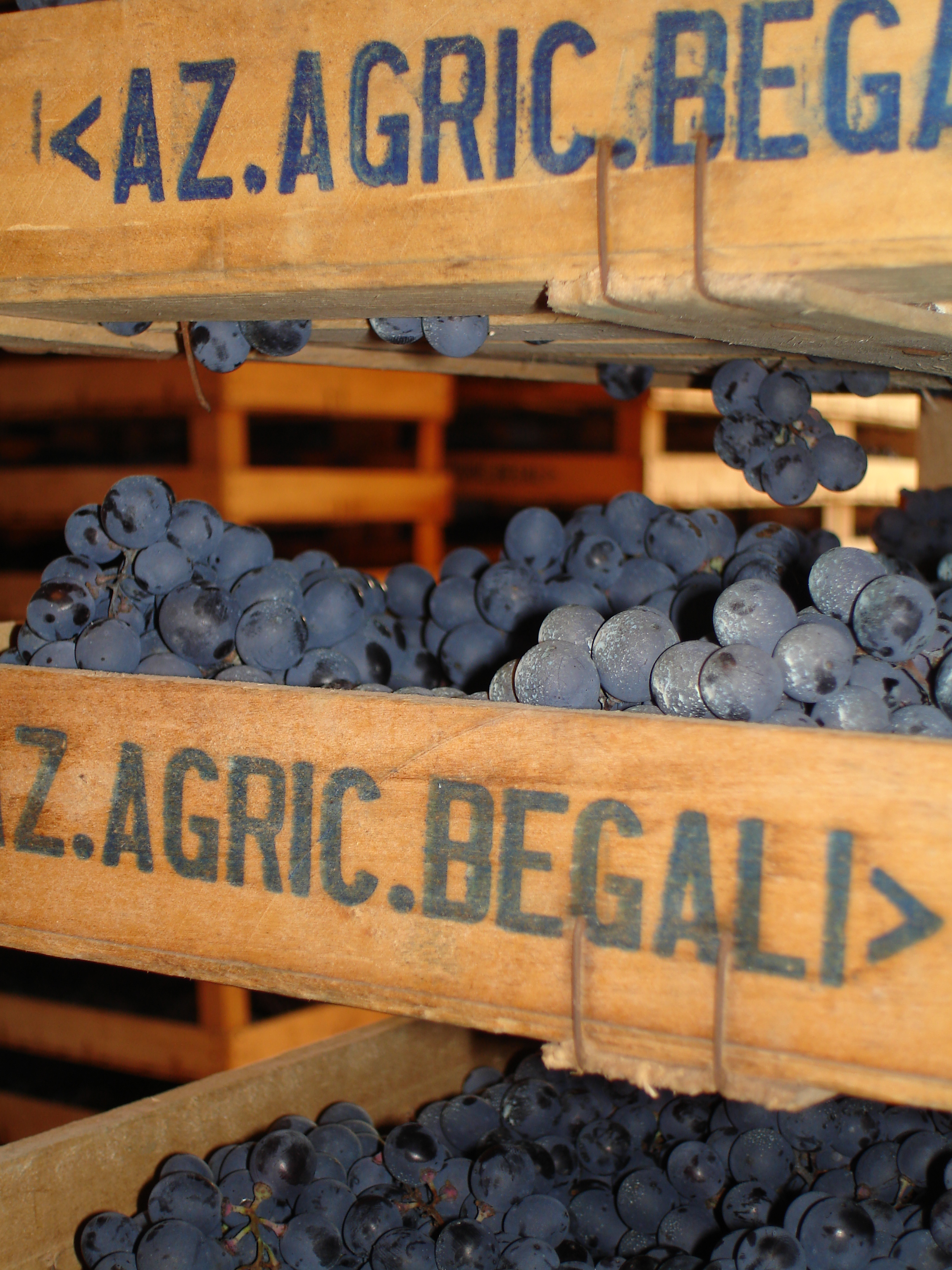
Amarone has always been a popular wine in Europe. However, in the past 10-20 years Amarone has experienced an increase in popularity and demand worldwide as new wine lovers (especially in the U.S. and China) have discovered these great wines and have started filling their cellars with them. Amarone received yet another boost in 2009 when it was ‘promoted’ to a DOCG wine, the highest level within the Italian wine classification system
GET THE LATEST BREAKING NEWS HERE -- SIGN UP FOR GOLOCAL FREE DAILY EBLAST
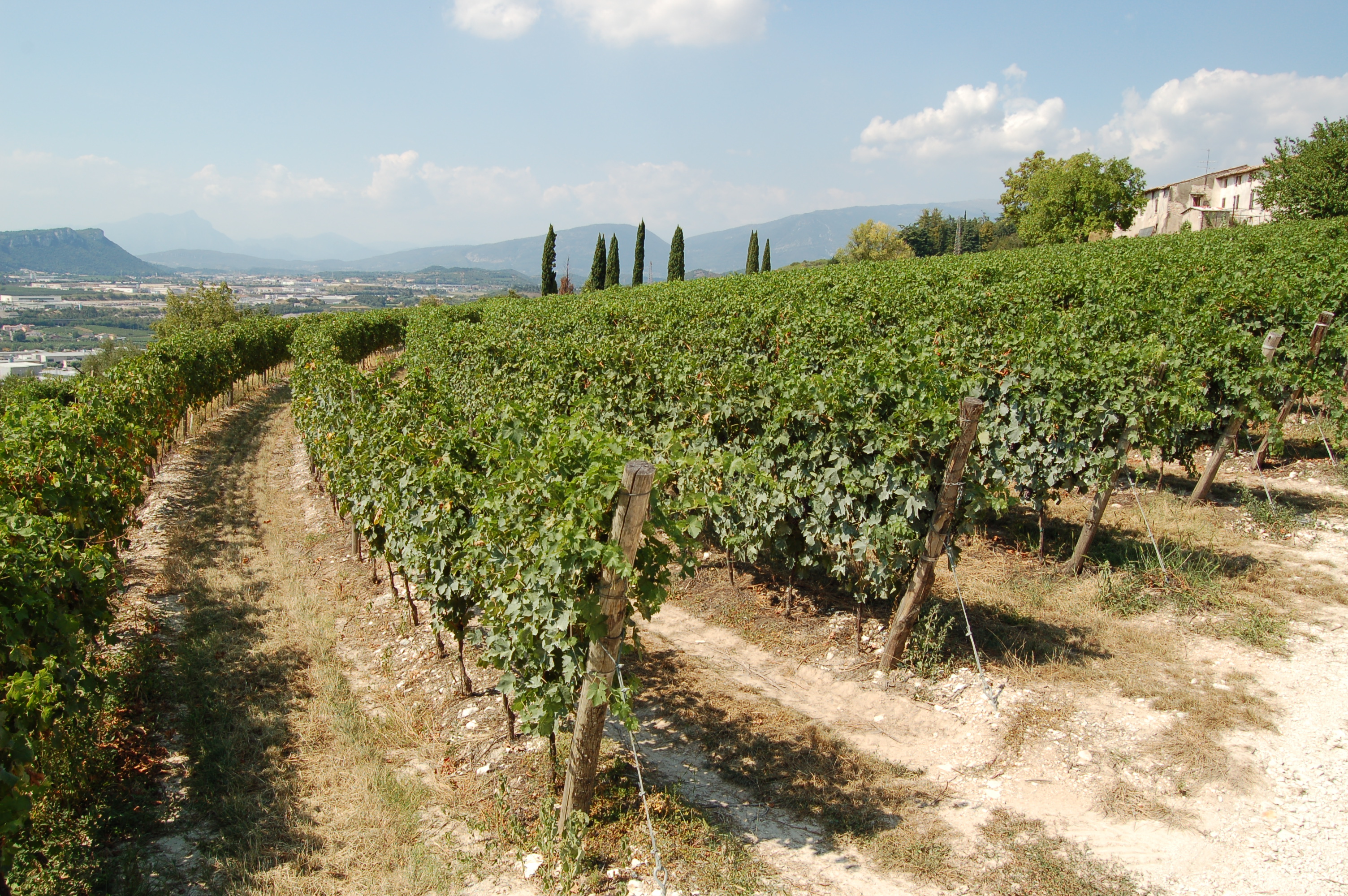
The increased demand has had two consequences that you as a potential Amarone consumer should be aware of. First of all, as could be expected, the prices of the most sought-after Amarones have skyrocketed. In some cases to price points mirroring those of top-notch Burgundies and classified Bordeaux. On the other end of the spectrum a new ($30-$50) category of Amarone has been born. While some of these wines are absolutely delicious and thereby excellent values, many of them are not and the often large-scale producers behind these wines are ‘cutting corners’, i.e. using less than desirable vineyards sites, blending grapes from across the region, messing with the drying and fermentation process and meeting only the absolute minimum aging requirements for making Amarone (revised in 2009).
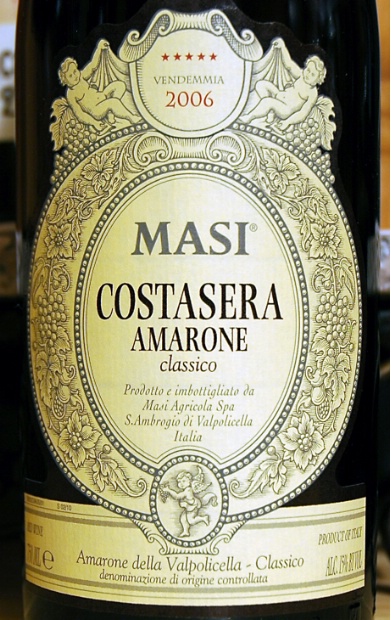
Thankfully there are still a bunch of family owned wineries that make Amarone the traditional way. A few years ago a dozen of them came together and formed the Association of Amarone Families who made it their goal to raise awareness and maintain the reputation of the traditional Amarone. While each family makes their own unique wine they all adhere to the highest standards in doing so. Many of the producers use the traditional grapes Corvinone and Oseleta in addition to the widely planted Corvina, Rondinella and Molinara. In terms of the aging of the wines, which often happens in both new and used oak, as well as in bottle prior to releasing them (yet another thing that adds cost to making Amarone) these producers simply refuse compromise. While the minimum requirement for aging is a combined 24 month, many members of the Amarone Families age their wines for up to 5 years!
If you’ve never tasted an Amarone I urge you to find an occasion to make the splash. Many of the Associations member’s Amarones are available locally including Zenato, Allegrini, Tomassi and Masi.
Cheers!
Steffen Rasch is a Certified Sommelier and Specialist of Wine. Feel free to email him at [email protected] with any wine-related question or learn about wine in person by signing up for one of his tastings through the Providence Wine Academy .
12 Valentine's Day Events in RI

Most Romantic Couple Contest
XO Café, Providence
Now through February 7, 2014, contestants can submit their inspired story of romance in 500 words or less for the chance to win a gourmet Valentine’s Day dinner for two with wine pairings, as prepared by Executive Chef Marty Lyons.
For more information or to submit an entry, please visit www.xocafe.com.

Black Valentine's Day Celebration
Ocean Mist, Matunuck
Ocean Mist knows Valentine's Day can be either an awesome holiday or a very annoying one, so they are choosing to celebrate Black Valentine’s Day. Come celebrate everyday love and friendship with a spectacular dance party. All you awesome singletons and even you adorable couples - go down to Ocean Mist and check out what exactly black valentine's is all about.
For more details, go here.

1st Annual Sweatheart Dance
Mount Hope Farm, Bristol
Celebrate Valentine's Day in Bristol at the 1st Annual Sweetheart Dance at Mount Hope Farm on Saturday, Feb. 15 from 8pm to 11pm. Festivities include cash bar, cupcakes and other goodies. Also, enjoy tunes by Luke Renchan Entertainment, one of RI's premiere DJ services. Prizes will also e awarded for best Valentine-themed outfits.Tickets are $10.
Reserve your ticket now by calling 401-254-1745 or click here.

Farmhouse Valentine's Special
Langworthy Farm, Westerly
Show that special someone you care by booking a Valentine's Day Special at Langworthy Farm. This two-night stay includes a full New England breakfast each morning and a special wine and chocolate tasting for two. Rates start at $270.
To make a reservation, call 401-322-7791.

Valentine's Day Dinner
Ocean House, Watch Hill
End Valentine’s Day on a romantic note this year with a spectacular dinner in Seasons at the Ocean House. Ocean House chefs will take you through five palate-enticing courses, each highlighting the best of the New England bounty. Celebrate one another and the passion that you share over a decadent dessert.
Price: $95/ per person (plus tax and gratuity); Wine pairing is an additional $40/ per person.
Click here to reserve your table.

Month of Love Special
The Attwater, Newport
Surprise your sweetie by sweeping him/her away to Newport. Stay two nights or more between February 6-28, 2014 (excluding Feb 14-17, 2014) and receive chocolate covered strawberries, a long stem rose and a box of Lark Fine Foods artisan cookies - all complimentary.
For more details, go here or call 401-846-7444.

Valentine's Day at the Inn
The Weekapaug Inn, Weekapaug
Surprise your sweetheart this Valentine’s Day with a spectacular four-course dinner in The Restaurant at the Weekapaug Inn. Enjoy intimate conversation in their candlelit dining area and steal breathtaking views of the star flecked New England sky from across the pond. Sip a cocktail (or two) in the Garden Room and pull your lover close as you relax by the glow of the crackling fire. The Weekapaug Inn is the destination for love this February.
Price: $80/ person (plus tax and gratuity)
Click here to claim your table.

2nd Annual Cupid Ball
Center by the Blackstone, Pawtucket
You're invited to attend the 2nd Annual Cupid Ball - a Pink Tie Affair at the Center by the Blackstone. The evening includes pink wine upon arrival, hors d'oeuvres, four course meal station provided by Pamfilio's, and entertainment provided by WRIK Entertainment.
Prices: $60 per individual or $100 per couple.
Click here to buy tickets or call 401- 724-2200.

Parent's Night Out
The Children's Workshop, all RI locations
Would you like a night out for Valentine’s Day? Bring the kids to The Children’s Workshop! They will provide supervision, fun, entertainment and snacks for the kids while parents enjoy a night off. This service is FREE and open to the community! You do not need to enroll to take advantage of this great event. Space is limited. Please RSVP by February 7th.
The Children’s Workshop has 12 locations throughout Rhode Island.
For more information, click here.

Valentine's Day Concert
Blithewold Mansion, Bristol
Opera Providence will present “A Happy Valentine’s Day Concert” on Friday Friday, Feb. 14th, at 7pm and Sunday, Feb. 16th at 3pm at the Blithewold Mansion. The event features the voices of the Opera Providence Ensemble. All concert tickets are $40 per person. Tickets for the entire concert series are $75 per person.
For more information please contact the Opera Providence office at 401-331-6060 or visit their website.

Valentine's Day Burgers
Harry's Bar & Burger, Providence
Harry’s Bar & Burger is celebrating Valentine’s Day weekend with a selection of menu specials available Friday, February 14th through Sunday, February 16th. Located at 121 North Main Street, Harry's will feature Fried Mozzarella Triangles with marinara sauce ($3.50); Harry’s Cheesy Lover Burger topped with house made mac and cheese, bacon, lettuce, pickle, and special sauce on a toasted potato roll ($6.50), and Fried Oreos dusted with powdered sugar ($2.99).
For more information, please call 401-228-7437 or visit www.harrysbarburger.com.

An Exclusive Dining Experience
Aldrich Mansion, Warwick
Make your special someone feel like they're the most important person in the world this Valentine's Day by partaking in an exclusive dining experience in the opulent, historic Aldrich mansion. Enjoy a three-course prix fixe menus prepared on site by Executive Chef Al Langeveld.
Price: $145 per couple, incl. gratuity, taxes, complimentary glass of champagne, cash bar, live music during cocktails, and free parking. RSVP by Feb. 6 with menu selections.
For more information, go here or call 401-739-6850.


