


The Cellar: Time for Rosé #2
Steffen Rasch, GoLocalProv Wine Writer
The Cellar: Time for Rosé #2
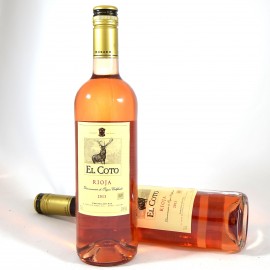
Rioja Rosé?
Yes! Not all Rioja’s are red. In fact, 15% of Rioja’s output is Rosés and White wines. Like this Spanish region’s Red wines, the Rosés are also based on the grape varieties Tempranillo and Grenache. And like the Reds the Rosés are often great values. This week’s featured ‘Rosado’ for example retails for around $12! The wine is made by El Coto de Rioja who sources the grapes for this wine from their own Estate vineyards, as well as other vineyards throughout the northernmost Alavesa sub-region of Rioja.
GET THE LATEST BREAKING NEWS HERE -- SIGN UP FOR GOLOCAL FREE DAILY EBLASTThis 50/50 blend undergoes a quick 48 hour maceration on the skins to extract the flavor and color followed by a cold fermentation and quick bottling. The result is a crisp and delicious wine. This is my kind of Rosé; savory, rather than sweet. There is a distinct herbal element alongside the freshly squeezed red cherries and raspberries – even a hint of garden picked cherry tomato. Fresh citrus fruit on the backend keep things alive as the herbal finish lingers on. Really good stuff for the money.
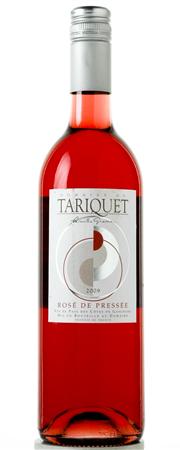
Normally, when people think about the category ‘French Rosé’ it is the light and mineral-driven examples from Provence that comes to mind. In the Mediterranean the grape varieties Carignan, Cinsaut, Grenache and Mourvèdre are usually utilized. Stylistically, this week’s feature wine is very different from your typical Provençal Rosé.
The biggest difference is a result of the grapes this wine is comprised of. You can almost taste that this wine is made from ‘bigger’ grapes. As is tradition in France this Rosé is a blend; in this case however the blend is 40% Merlot, 40% Syrah and 20% Tannat. Basically all of these grapes have thicker skins that the ‘traditional’ Rosé grapes. The skins is where the wine gets its full flavor, as we’ll as its intense aromatics and rich texture. Because of its weight this is a pretty versatile Rosé which can be consumed by itself as well as paired with lighter dishes. The flavors include those of ripe strawberries, red cherries and sweet and sour rhubarb with a hint of spice on the finish. Good stuff and very reasonably priced!
Cheers,
Steffen Rasch is a Certified Sommelier and Specialist of Wine. Feel free to email him at [email protected] with any wine-related questions or learn about wine in person by signing up for one of his tastings through the Providence Wine Academy.
10 New England Wine Getaways

Newport Vineyards
Newport Vineyards is the perfect Rhode Island destination for wine lovers year round. Visit the winery this weekend for tastings and tours, featuring an array of award winning wines.
909 E Main Road, Middletown, RI. (401) 848-5161.
Carolyn's Sakonnet Vineya
Carolyn’s Sakonnet Vineyards in Little Compton is much more than just a winery—it is a place to get away from the stresses of life and indulge your senses, a place to try new things, a place to focus on you. The vineyard is open every day, and invites you to come for a tasting and tour. Try their Petite Red, Vidal Blanc, and many more of their distinctive wines.
162 W Main Road, Little Compton, RI. (401) 635-8486.
Greenvale Vineyards
Visit Greenvale Vineyards in Portsmouth to sample their estate grown and produced wine, made in small batches. While at the estate, try seven different wines and keep the wine glass for only $12. While you are tasting, take in the gorgeous views of both the vineyard and river. Besides tasting the wines, Greenvale also invites customers to tour the winery and learn about the history and process of winemaking at the vineyard.
582 Wapping Road, Portsmouth, RI. (401) 847-3777.
Maugle Sierra Vineyards
For a trip to a vineyard that includes much more than just wine, hop over the border to Ledyard, CT, to check out Maugle Sierra Vineyards. The vineyard hosts live music on Fridays and Sundays to compliment your wine tasting experience. Pack a dinner or light fare and enjoy a tasting session in the Sierra Room while you take in the sunset.
825 Colonel Ledyard Highway, Ledyard, CT. (860) 464-2987.
Nickle Creek Vineyards
Nickle Creek Vineyard is a family owned and operated Rhode Island wine treasure. The winery, located in Foster, makes it their mission to handcraft the most unique, high quality wines in the business. All wines are created in small batches, giving them a distinctly unique taste. This weekend, visit their tasting room to try their variety of wines. On your way out, be sure to pick up a bottle of Foster Nights to get you through those chilly New England evenings.
12 King Road, Foster, RI. (401) 369-3694.
Nashoba Valley Winery
Take the bite off the winter chill this weekend and take a drive to Nashoba Valley Winery in Bolton. The winery hosts tasting events everyday from 10am-4:30pm For $5, receive a free tasting glass and samples of up to five different wines. Some favorites include Strawberry Rhubarb Wine, Holiday Special Cranberry Apple (a new release in November 2013), and New English Cider. If you are in the mood for something other than wine (if that’s possible), check out their beer selection as well!
100 Wattaquadock Hill Road, Bolton, MA. (978) 779-5521.
Bishop’s Orchards Winery
The wines from Bishop’s Orchards Winery and Farm Market in Guilford, CT, have won over 179 medals since the winery opened in 2005. The tasting room at Bishop’s is open seven days a week year round, so no time is off-limits for wine tasting. Head over on the weekend to enjoy a winery tour pre or post tasting session. While visiting the winery, also be sure to check out the market for fresh baked goodies.
1355 Boston Post Road, Guilford, CT. (203) 453-2338.
Diamond Hill Vineyards
For a cool twist on classic wine labels, look no further than Diamond Hill Vineyard in Cumberland. At Diamond Hill, you can get custom designed wine labels perfect for any occasion. If you’re interested in tasting the wines, visit their elegant tasting room for samples of their high quality wines such as Cranberry Apple, Estate Pinot Noir, or Blackberry.
3145 Diamond Hill Road, Cumberland, RI. (401) 333-2751.
Westport Rivers
Westport Rivers Vineyard & Winery
Tucked away on the southern coast of Massachusetts, Westport Rivers Vineyard & Winery, located about an hour’s drive from Worcester, is worth the trip. For only $10, you can take home a special edition etched wine glass and enjoy a tasting of up to six of their award-winning wines. While the tasting room is open Monday-Saturday, free winery tours are also offered to the public every Saturday from 1-3pm.
417 Hixbridge Rd, Westport, MA. (508) 636-3423.
Travessia Winery
Found on the southern Massachusetts coast about 30 minutes outside of Providence, is Travessia Winery in New Bedford. This micro-winery puts a twist on traditional wine culture with its cool urban flair. Travessia is open for sales and tastings Wednesday-Sunday, and invites customers to come in and enjoy their unique variety of wines.
760 Purchase Street, New Bedford, MA. (774) 929-6534.
