


13 Ways To Stay Safe From RI's Summer Ticks--Newport Hospital
GoLocalProv Health Team
13 Ways To Stay Safe From RI's Summer Ticks--Newport Hospital
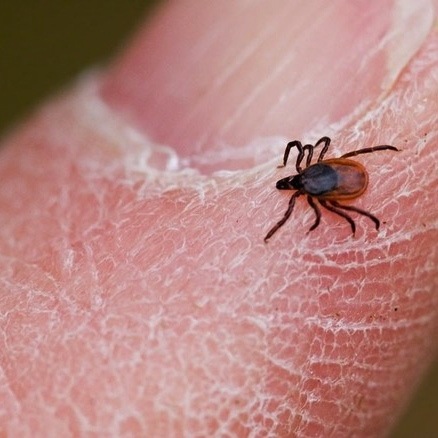
According to Gail Jackson, R.N., BSN, CIC, Newport Hospital’s infection prevention coordinator, the best way to prevent the spread of tick-borne diseases is to keep a tick bite from ever happening.
“Ticks are easy to find in the northeast and they love to live among tall grasses and wooded areas,” Jackson explains. “And while they are prevalent in Rhode Island, there are steps we can take to protect ourselves from tick bites.”
How to stay safe this summer
Below are some general prevention tips when spending time outside in the woods or near tall grasses.
Walk in the center of trails to avoid contact with overgrown grass and leaf litter.
GET THE LATEST BREAKING NEWS HERE -- SIGN UP FOR GOLOCAL FREE DAILY EBLASTTuck pants into socks to create a barrier and wear light-colored clothing to help spot ticks.
Use repellents. Spray repellent containing a 20 percent concentration of DEET on clothes and exposed skin. You can also treat clothes, tents, etc., with permethrin, which kills ticks on contact. Do not use directly on skin.
Check skin and clothes for ticks every day and bathe or shower as soon as possible after coming indoors.
Examine gear and pets.
Immediately remove ticks from your body using tweezers.
Tumble clothes in a dryer on high heat for one hour to kill remaining ticks.
The backyard is a common place to find ticks, but it’s easy to create a tick-free zone through landscaping.
Clear tall grasses and brush around homes and at the edge of lawns.
Place a three-foot barrier of wood chips or gravel between lawns and wooded areas, and around patios and play equipment to restrict tick migration. (Ticks cannot fly or jump, but can crawl onto people and animals as they brush against them.)
Mow the lawn frequently and keep leaves raked.
Stack wood neatly and in a dry area.
Keep playground equipment, decks and patios away from yard edges and trees. Place them in a sunny location.
Remove any old furniture and trash from the yard that may give ticks a place to hide.
“It’s important to be vigilant when it comes to the threat of tick-borne diseases,” says Jackson. “But with the proper precautions and prevention techniques, you can protect yourself, your pets and your family from tick bites.”