


As Temperature Rises, So Does Risk of Food-Borne Illness
Cheryl Phillips, GoLocalProv Health Correspondent
As Temperature Rises, So Does Risk of Food-Borne Illness
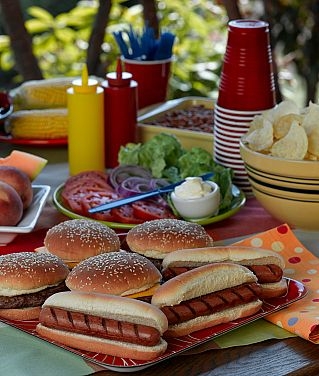
The Rhode Island Department of Health's most recent data shows that food-borne illnesses, such as salmonella, increases by more than 150 percent during the summer season.
Depending on the type of bacteria, a food-borne illness can develop within half an hour of eating contaminated food to even days later. The two most common symptoms are diarrhea and an upset stomach. Other symptoms can include chills, fever, nausea, weakness, dizziness and vomiting.
Leonard A. Mermel, DO, an infectious disease specialist at Rhode Island Hospital, has some sage advice on food borne illnesses, "The basic signs of food poisoning manifest with GI (gastrointestinal) symptoms - diarrhea, either with or without nausea and vomiting. Off the top of my head, some warning signs would be bloody diarrhea, high fever, dehydration/dizziness when standing, or prolonged illness. All of these are concerning, and would prompt seeking medical assessment, as would suspected food poisoning in an immuno-compromised patient."
Before you pack your cooler or fire up the grill, make note of some simple safety tips so you can enjoy the cookout and avoid a trip to the emergency room.
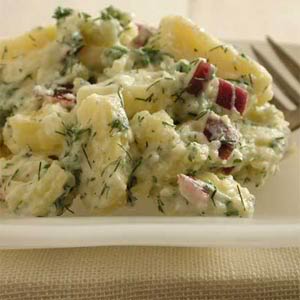
While pasta salad, cream pies and shellfish might sound like part of a perfect spread for your picnic or cookout, keep in mind that food-borne pathogens prefer foods high in protein and moisture. These foods include milk products, eggs, poultry, meats, fish, shellfish, cream pies, custards and potato salad.
There are four basics rules of food safety and they apply as much to cooking outdoors as they do to everyday food preparation.
Wash your hands thoroughly with hot, soapy water before cooking, handling raw foods and before handling cooked foods. If you are cooking at the park or beach, take along hand sanitizer and wipes. Don't forget to clean all utensils and food preparation surfaces, too.
Separate
Don't cross-contaminate. Store foods properly by separating washed or prepared foods from unwashed or raw foods. Try preparing each type of food at different times, and then clean and sanitize food contact surfaces between each task. Never put raw and cooked foods of any kind together. If you are using a marinade, never use the leftover sauce on cooked meats.
Cook
It's important to cook your food to a proper temperature. Buy a food thermometer and make sure that poultry is cooked to 165° F, ground beef to160° F, pork products to 155° F, beef steaks are cooked to 140° F.
Chill
Refrigerate leftovers no more than one hour after cooking. Don't make more food than you need and you will avoid having to wonder if the leftovers are safe or not. If you're not sure food has stayed out at unsafe temperatures for too long, be safe: throw it away.
Fire up the grill, chill the wine, keep those food safety tips in mind and get ready for a great cookout season here in the Ocean State.