


Berries Slow Memory Loss
GoLocalProv Health Team
Berries Slow Memory Loss
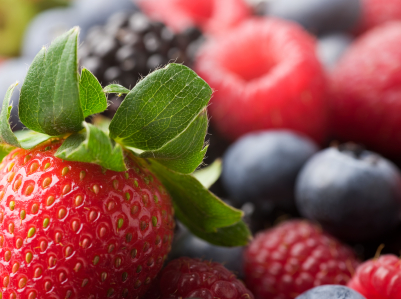
“What makes our study unique is the amount of data we analyzed over such a long period of time. No other berry study has been conducted on such a large scale,” said Elizabeth Devore, a researcher in the Channing Laboratory at BWH, who is the lead author on this study. “Among women who consumed two or more servings of strawberries and blueberries each week we saw a modest reduction in memory decline. This effect appears to be attainable with relatively simple dietary modifications.”
Large-scale study
The research team used data from the Nurses’ Health Study — a cohort of 121,700 female, registered nurses between the ages of 30 and 55 — who completed health and lifestyle questionnaires beginning in 1976. Since 1980, participants were surveyed every four years regarding their frequency of food consumption. Between 1995 and 2001, memory was measured in 16,010 subjects over the age of 70 years, at two-year intervals. Women included in the present study had a mean age of 74 and mean body mass index of 26.
GET THE LATEST BREAKING NEWS HERE -- SIGN UP FOR GOLOCAL FREE DAILY EBLASTThis study, which was independently controlled by the investigators who performed the data analysis, was funded by grants from the National Institutes of Health and the California Strawberry Commission.
Findings show that increased consumption of blueberries and strawberries was associated with a slower rate of memory decline in older women. A greater intake of anthocyanidins and total flavonoids was also associated with reduced memory decline. Researchers observed that women who had higher berry intake had delayed memory decline by up to two and a half years.
“We provide the first epidemiologic evidence that berries appear to slow progression of memory decline in elderly women,” notes Devore, who is an instructor in medicine at Harvard Medical School. “Our findings have significant public health implications as increasing berry intake is a fairly simple dietary modification to reduce memory decline in older adults.”
Local experts respond
"This new article adds another piece of evidence in support of the likely beneficial effects of consuming foods rich in flavonoids (compounds found in plants that have both anti-inflammatory and antioxidant properties) on delaying cognitive decline in older adults," said Peter Snyder, PhD, vice president and chief research officer for Lifespan. "The results of this study are absolutely consistent with the existing literature on this topic, and these results also make good sense, in that we know that one of the very earliest neurologic changes in dementia involves an inflammatory response by specific types of cells in the brain, including microglia, and that this likely leads to further neurodegenerative changes."
Snyder did caution from over-interpreting the results. "First, this study is based on survey responses about diet, collected from the study subjects every few years, and questionnaire responses based on one's memory of their diets over time may not always be accurate," he said. Further, Snyder said, the study could not completely take into account the additive or synergistic effects of two other individual factors that are also known to delay onset of dementia in older adults--exercise and (higher) socio-economic status.
Factors to consider: exercise and socio-economic status
"We do know that regular aerobic exercise (even just brisk walking for 20-30 minutes, several times per week) exerts a protective effect, and we also know that individuals with greater financial resources over the course of their lives - and possibly differing access to preventative health care - show somewhat later ages of onset for certain forms of dementia," he said. "So, there may be other individual factors that impact on the association between consumption of blueberries and strawberries, and delayed onset of cognitive impairments, that can not be teased apart."
What can RIers do based on the results?
Snyder, when asked about what practical steps RIers can take based on these results, said he was "happily consuming" a bottle of juice containing 23 blueberries, 1.5 pomegranates and 34 red grapes. "I am drinking my juice because I do believe the mounting literature in support of the multiple beneficial health effects of consuming the flavonoids, vitamins and other compounds that are contained in these delicious fruits," he said.
"I do think that regular consumption of these fruits are a truly important part of a balanced diet - both in terms of cognitive health as we age, as well as for cardiovascular health effects," Snyder said. "However, it is important to understand that this dietary practice is not, by itself, a 'magic bullet' for slowing cognitive decline as we age. It is merely a single lifestyle choice that we can make, that provides some incremental benefit. This choice most likely adds to other choices I make that also help to protect my brain, which includes regular physical exercise, the regular pursuit and practice of challenging hobbies or pastimes, and a very active social life with my family and friends. All of these, taken together, do more to protect my brain as I get older than do any one of these lifestyle factors by themselves.
Snyder's advice to RIers? "Eat more berries as part of a balanced and healthy diet, exercise regularly and maintain a healthy weight (again, even a few brisk and long walks per week will work wonders!), stay socially active and challenge yourself with interesting and exciting problems as often as possible."
For more Health, don't miss GoLocalTV, fresh every day at 4pm and on demand 24/7, here.