


Mom-Toddler Relationship Leads to Teen Obesity
GoLocalProv Health Team
Mom-Toddler Relationship Leads to Teen Obesity
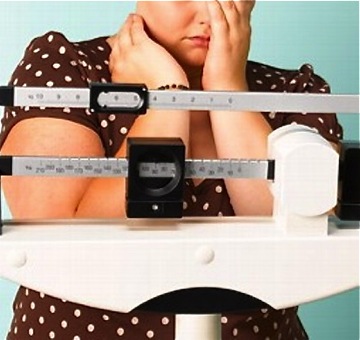
Researchers at Ohio State University analyzed national data detailing relationship characteristics between mothers and their children during their toddler years. The lower the quality of the relationship in terms of the child’s emotional security and the mother’s sensitivity, the higher the risk that a child would be obese at age 15 years, according to the analysis, which was released online yesterday and is scheduled for publication in the January 2012 issue of the journal Pediatrics.
Poor emotional relationships = obesity?
Among those toddlers who had the lowest-quality emotional relationships with their mothers, more than a quarter were obese as teens, compared to 13 percent of adolescents who had closer bonds with their mothers in their younger years.
The findings mirror previous research by these scientists that showed toddlers who did not have a secure emotional relationship with their parents were at increased risk for obesity by age 4½. This body of work suggests the areas of the brain that control emotions and stress responses, as well as appetite and energy balance, could be working together to influence the likelihood that a child will be obese.
Not about blaming parents
Rather than blaming parents for childhood obesity, the researchers say these findings suggest that obesity prevention efforts should consider strategies to improve the mother-child bond and not focus exclusively on eating and exercise.
“It is possible that childhood obesity could be influenced by interventions that try to improve the emotional bonds between mothers and children rather than focusing only on children’s food intake and activity,” said Sarah Anderson, assistant professor of epidemiology at Ohio State University and lead author of the study.
“The sensitivity a mother displays in interacting with her child may be influenced by factors she can’t necessarily control. Societally, we need to think about how we can support better-quality maternal-child relationships because that could have an impact on child health,” she said.
Bradley, Hasbro experts
"Early parent-child relationship quality has been predictive of many important developmental outcomes in other areas of youth functioning," says Ronald Seifer, PhD, a specialist in Early Childhood Development at Bradley Hospital, "[and] this study is consistent with that overall finding. It is perfectly reasonable to expect that sensitive parenting and secure attachment would have implications for self-care, healthy behaviors, and absence of maladaptive eating patterns that could be associated with obesity."
Elissa Jelalian, PhD, a child psychologist and researcher with the Bradley Hasbro Children's Research Center, agrees. "The findings are consistent with those from other studies indicating a relationship between a parenting style that includes high levels of sensitivity combined with firm discipline and decreased risk for obesity in young school age children," she says.
The call for intervention
The research points to further inquiry into a new opportunity for intervention. "Interventions are effective in increasing maternal sensitivity and enhancing young children’s ability to regulate their emotions, but the effect of these interventions on children’s obesity risk is not known, and we think it would be worth investigating," says the study's author Anderson.
"It is interesting to consider the possibility that interventions targeting the parent-child relationship during early childhood may have the potential to impact health outcomes into adolescence," says Jelalian. "In many ways this early relationship lays the foundation for subsequent parent-child interactions, including those relating to eating and physical activity."
The research was supported by a grant from the National Institutes of Health.