


Research Shows Teen Moms at Higher Risk for Postpartum Depression
GoLocalProv Health Team
Research Shows Teen Moms at Higher Risk for Postpartum Depression
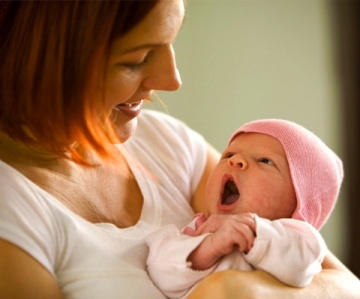
This is based on research conducted by a team of researchers - including two affiliated with Women & Infants Hospital of Rhode Island. The research was published in Maternal and Child Health Journal under the title “The Relationship between Parental Stress and Postpartum Depression Among Adolescent Mothers Enrolled in a Randomized Controlled Prevention Trial.”
Maureen G. Phipps, MD, MPH, chief of obstetrics and gynecology at Women & Infants and professor of obstetrics and gynecology and professor of epidemiology at The Warren Alpert Medical School of Brown University, and Caron Zlotnick, PhD, of the hospital’s Division of Behavioral Health and a professor of psychiatry and human behavior at The Alpert School, were part of the research team.
GET THE LATEST BREAKING NEWS HERE -- SIGN UP FOR GOLOCAL FREE DAILY EBLAST“Parental stress tends to be higher among teenage mothers, with everything from the affordability of childcare, to daily caretaking concerns, to balancing school or work and their baby causing them stress,” said Phipps. “We believe this is the first study to assess whether parental stress predicted depression among adolescent mothers.”
The researchers enrolled 106 participants through Women & Infants’ Center for Primary Care between 2007 and 2008 and followed them for 289 visits postpartum. The average age was 16 years. More than half of the teens self-identified as Hispanic, and 16% reported a past history of depression. Through the study, 19 girls were diagnosed with PPD and 25% of them experienced high levels of parental stress as long as six months postpartum.
“Adolescent mothers who reported higher levels of parental stress were at significantly increased risk for postpartum depression,” Phipps explained. “We think that interventions targeting a reduction in parental stress may help adolescent mothers.”
Parenting stress is defined as an imbalance between the perceived demands of parenting and the perceived available resources. Many new mothers experience stress over finances, any family dysfunction and inexperience. Dr. Phipps says those stressors can impact adolescent mothers, who must deal with them without the benefit of maturity. If untreated, PPD has been shown to cause mothers to be less attached to their infants.
“We also know that mothers with PPD find their babies more demanding, which causes more parental stress than that experienced by mothers who are not depressed. This can also last longer than the baby’s first birthday, too,” Phipps said.
The researchers suggest more work be done to bolster the services currently available to adolescent mothers. Data, Dr. Phipps says, suggests that mothers are interested in receiving support from their babies’ pediatricians but may be reluctant to raise the matter during a visit.
13 Biggest Healthcare Stories in RI in 2013

13 Doctors Behaving Badly
Rhode Island Doctors Behaving Badly
Doctors, having professed in their professional lives to "do no harm," are typically looked at in their personal lives as upstanding citizens. But 2013 proved that not all doctors are cut from the same cloth.
With charges ranging from unprofessional behavior in the office to giving morphine to babies to breaking into a residence without permission at 3 in the morning and being in possession of marijuana, this breakdown of reprimanded doctors in 2013 is simply a must see.
Click here for a slideshow of all the stories.

12 Staying Healthy + Fit
10 Ways To Stay Healthy + Fit This Summer—Miriam Experts
Summer brings soaring temperatures, family cookouts and tempting warm-weather treats like ice cream and margaritas, and can easily sabotage your fitness and diet plans. That’s why leading nutrition and exercise experts at The Miriam Hospital shared their timeless top tips for staying fit and eating healthy while still having fun in the sun.
Summer fitness never goes out of style. Click here for tips you can use every year to maintain that beach body!

11 Well-Being Index
How Happy Is Rhode Island—Latest Gallup Well-Being Index
Rhode Island may need an attitude adjustment, according to the latest Well-Being Index numbers from Gallup-Healthways. The state's latest ranking for happiness is #37 in the nation, a drop of 2 spots from last year. And that ranking was a drop from the year before.
Click here for the full breakdown.

10 Retail Insurance
Smart Benefits: Health Insurers Go Retail
Healthcare reform has brought about lots of changes to the procurement of individual and family plans. Now, when you head to the mall, you'll be able to buy health insurance in addition to shopping for clothes. In a move that continues to gain steady momentum, leading health insurers across the country are opening retail stores to cater to individuals who now have to purchase health insurance on their own because of healthcare reform.
To see which insurer has already opened up a retail outlet in RI, click here.

9 A Healthier You in 2013
13 Ways To Be Healthier in RI in 2013
As we embarked on 2013, Rhode Island's Director of Health, Michael Fine, MD, encouraged Rhode Islanders to make health and wellness a priority in the new year. Check out the 13 steps he recommended Rhode Islanders take to get and stay well in the new year. Whether you stuck to them or not in 2013, we find ourselves at another time for goal-setting and resolutions. Brush up on your healthy living and put your knowledge to good use in 2014!
Click here for the tips!

8 RI’s Sexual Health
Rhode Island’s Sexual Health Worst In New England—New Ranking
Rhode Island's abysmal showing in the 2013 Sexual Health Rankings landed them at last place in New England.
The first-ever assessment of state-by-state data on 26 comprehensive health and services measures that speak to sexual health put the Ocean State at #19 overall in the US, and #6 among New England states.
Click here for our full coverage of our study.

7 Deloitte's Big Contract
Deloitte Awarded $105 Million Contract to Create New Healthcare System
Last January, Governor Lincoln Chafee announced that the State had awarded a $105 million contract to Deloitte Consulting to create the technology infrastructure to modernize the way the state administers Medicaid and other human service programs, and, most importantly, to create Rhode Island’s Health Benefits Exchange in compliance with the Affordable Care Act. Do you think Deloitte was the right choice? Read on for a breakdown of why Deloitte was chosen and the outlook on the exchange - who's rollout was not without its hiccups - while it was in just the conception phase.
Click here for our coverage of the announcement.

6 Non-Profit Hospital CEO
Rhode Island Non-Profit Hospital CEOs Criticized For Big Paychecks
The American healthcare system may be quite deathly ill. But the paychecks CEOs of Rhode Island non-profit hospitals are quite healthy.
Because of the trend of for-profit chains buying non-profit hospitals, which has swept the nation over the last decade or so, only eight non-profit hospital groups remain in the Ocean State. Together, they control a total of 11 hospitals.
And you won't believe how handsomely the CEOs of these hospitals are paid.
Click here for the full breakdown.

5 Healthiest Counties
Rankings: Where the Healthiest Rhode Islanders Live
Where do the healthiest residents in Rhode Island live? According to 2013 rankings by the Robert Wood Johnson Foundation, a national foundation focused on improving public health, Bristol County took top honors -- while Providence County was the bottom of the list of the five counties in the state.
Click here to get the full story.
4 Health Exchange Rebrand
Rhode Island’s First Health Benefits Exchange Launches
In July, The Rhode Island Health Benefits Exchange announced a number of important updates and initiatives – including a new name and the creation of 70-100 new jobs – in preparation to enroll Rhode Islanders in quality affordable health insurance plans starting on October 1, 2013.
Dubbing the Health Exchange HealthSource RI and announcing the state's new contact center in Providence, the exchange announced it would employ 70-100 Rhode Islanders when fully operational who would be accessible to individuals and small employers to talk in-person or over the phone with engagement specialists who would provide personalized assistance in finding, comparing, and purchasing health insurance options available through HealthSource RI.
Click here to read more about the announcement.

3 Heart Health
RI’s Go Red Day 2013: 10 Ways Women Can Keep Their Hearts Healthy
According to the AHA, nearly half of American women do not know that heart disease is their No. 1 killer, and less than half know the best blood pressure and cholesterol levels for cardiovascular health. Making red visible on Mondays could help sound the alarm and keep heart health ever present in the lives of American women.
Click here for 10 ways women can keep their hearts healthy.
2 Health Exchange Launch
Healthsource RI Announces Health Benefits Exchange Rates
In late August, HealthSource RI announced the plans and rates that were to be offered through the state's health benefits exchange when open enrollment began on October 1 for individuals and small businesses. Blue Cross & Blue Shield of Rhode Island, United HealthCare, and Neighborhood Health Plan of Rhode Island all signed on to offer 28 plans through the exchange.
The exchange launched on October 1st with no shortage of hiccups, but the launch was relatively smooth by comparison to those in states whose exchanges were facilitated federally. By November, the exchange had processed over 4500 applicants. And by December the New York Times noted that the RI exchange was the second-best performing in the country with enrollment exceeding target rates by a sizeable margin.
Click here for our coverage of the rate announcements.

1 Patients Rank Hospitals
New England’s Best Hospitals Rated By Patients
Traditionally, hospitals are rated and ranked on a combination of sound technical care, adequate resources, and impressive statistics. But an increasing emphasis is being placed on perhaps one of the more important measures: the patient’s perspective. With that in mind, GoLocal has sifted through and analyzed the results from a government-sponsored survey of more than 50,000 patients in 176 hospitals in New England (full chart here), and emerged with the first-ever patient-based ranking of the region’s top hospitals.
GoLocal consulted with patients, experts, and hospital administrators for their take to contextualize the rankings- click here to read the story.
Click here for the ranking of New England's Top 20 Hospitals


