


RI Hospital to Utilize Google Glass in Innovative New Study
GoLocalProv Health Team
RI Hospital to Utilize Google Glass in Innovative New Study
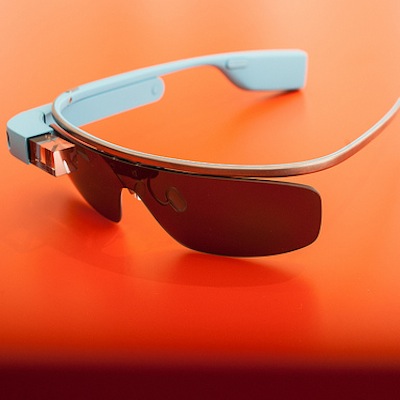
“We live in a world of instant gratification, and in many ways, we’re testing that mindset by using Google Glass to enhance telemedicine in the emergency department,” said principal investigator Paul Porter, M.D., a physician in the emergency departments of Rhode Island, Hasbro Children’s and The Miriam hospitals. “In this study, we will use Google Glass to stream live images of a patient’s dermatological condition to the consulting dermatologist. As the emergency medicine physician observes the patient’s skin condition, the consulting dermatologist will be able to see identical images on a tablet in real time, giving the dermatologist the ability to offer appropriate advice, diagnosis and treatment options.”
Porter and researchers Peter Chai, M.D., and Roger Wu, M.D., worked with experts at Pristine, a health care technology communications company, which has developed the only form of Google Glass that meets strict federal patient privacy laws (Health Insurance Portability and Accountability Act, or HIPAA).
GET THE LATEST BREAKING NEWS HERE -- SIGN UP FOR GOLOCAL FREE DAILY EBLAST“While the initial study is limited to emergency department patients who require a dermatology consult, we recognize that the opportunities for Google Glass in a medical setting are very broad,” Porter said. “Ultimately, the use of this technology could result in better coordinated care, faster interventions, better outcomes, fewer follow-up office visits, fewer readmissions, and lower costs – for a wide range of disciplines, not just dermatology.
“We also envision this technology eventually being used by first responders and nursing homes as a tool to communicate with emergency medicine physicians,” Porter said.
The six-month feasibility study will be limited to patients in the Rhode Island Hospital emergency department who require a dermatology consult, and who consent to taking part in the study.
For more information, check out this video interview with principal investigator Paul Porter, M.D., who discusses the importance of this study, and what it could mean for the future of medicine.
The Top 50 Hospitals in New England Rated By Patients
#50 New London Hospital
New London Hospital
New London, NH
No. of beds: 83
This community hospital has offered primary care for the New London community since its founding in 1918.
Highlights: New London's highest marks were earned for its cleanliness—84% said their room was always clean.

#49 Memorial Hospital
Memorial Hospital of Rhode Island
Pawtucket, RI
No. of beds: 294
This community hospital has provided primary and ambulatory care services for residents of the Blackstone Valley of Rhode Island and southeastern Massachusetts for 120 years.
Highlights: Memorial’s highest marks were earned for its staff’s communication skills—84% of patients said they were given information about what to do during their recovery at home.
#48 St. Joseph Hospital
St. Joseph Hospital
Bangor, ME
No. of beds: 112
This acute care hospital offers Bangor residents a variety of services, including Medical, Surgical, Orthopedics, Laboratory, Emergency Services, and also features an Ambulatory Surgery Center.
Highlights: St. Joseph’s highest marks were earned for its staff’s communication skills—92% of patients said they were given information about what to do during their recovery at home.
#47 Nantucket Cottage
Nantucket Cottage Hospital
Nantucket, MA
No. of beds: 19
Founded in 1911, this not-for-profit regional medical center is the only hospital on Nantucket Island.
Highlights: At Nantucket Cottage Hospital communication reigns supreme—88% of patients reported that their nurses always communicated well, and 86% said the same of doctors.
#46 Mid Coast Hospital
Mid Coast Hospital
Brunswick, ME
No. of beds: 92
Founded in 1991, this independently owned community hospital serves a population of 80,000 area residents.
Highlights: Great communication at Mid Coast received the highest marks from patients—81% said nurses always communicated well, and 82% said the same of doctors.
#45 Rumford Hospital
Rumford Hospital
Rumford, ME
No. of beds: 25
As of 2002, Rumford Hospital is a Critical Access Hospital, thus guaranteeing reimbursement from the federal government closer to the actual cost of providing care for patients insured under the Medicare and Medicaid programs.
Highlights: An impressive 88% of patients surveyed reported that they were given information about what to do during their recovery at home by staff at Rumford Hospital.
#44 Bridgton Hospital
Bridgton Hospital
Bridgton, ME
No. of beds: 22
Due to Bridgton Hospital’s recent effort to expand services and improve operations, local residents have access to many services and procedures they once had to travel miles to receive.
Highlights: At Bridgton communication shines—81% said nurses always communicated well, and 78% said the same of doctors.
#43 Waldo County Hospital
Waldo County General Hospital
Belfast, ME
No. of beds: 25
Known for providing quality care to area residents for over 100 years, Waldo County Hospital was recognized by The Leapfrog Group as one of the top three rural hospitals in the country in 2010.
Highlights: Waldo County Hospital’s highest marks were earned for its staff’s communication skills—90% of patients said they were given information about what to do during their recovery at home.
#42 Mount Auburn Hospital
Mount Auburn Hospital
Cambridge, MA
No. of beds: 213
Founded in 1886 as the first hospital in Cambridge, Mount Auburn provides a number of clinical services to area residents, including cardiac catheterization, laboratory services, rehabilitation services, and specialized services for men, women and seniors.
Highlights: At Mount Auburn communication shines—82% said nurses always communicated well, and 83% said the same of doctors.
#41 Mercy Hospital
Mercy Hospital
Portland, ME
No. of beds: 168
Originally known as Queen’s Hospital, this hospital had just 25 beds when it opened over 90 years ago.
Highlights: Mercy’s highest marks were received for its staff’s stellar communication skills—82% said nurses always communicated well, and 83% said the same of doctors.
#40 Exeter Hospital
Exeter Hospital
Exeter, NH
No. of beds: 100
One of three affiliates of Exeter Health Resources, this tax exempt, community-based hospital is committed to providing innovative and progressive health care services to its patients.
Highlights: Great communication is a hallmark at Exeter—85% of patients said their doctors communicated well, and 84% said their nurses did.
#39 SW Vermont Med Center
Southwestern Vermont Medical Center
Bennington, VT
No. of beds: 99
Founded in 1918, SVMC is the only hospital in Bennington County and serves portions of Windham County, Vermont, Eastern Rensselaer, New York and eastern Washington Country, New York.
Highlights: Great communication at SVMC got the highest marks from patients—83% said nurses always communicated well, and 83% said the same of doctors.
#38 Mayo Regional
Mayo Regional Hospital
Dover-Foxcroft, ME
No. of beds: 25
This critical access hospital originally opened in 1935 at the homestead of Col. Edward J. Mayo, who willed the property to the town of Dover-Foxcroft for use as a hospital. The facility recently built the Mayo Resource Center addition that includes space for physical therapy, occupational health, business offices, medical records and conference space.
Highlights: Mayo's highest marks were earned for its cleanliness—88% said their room was always clean.
#37 Speare Memorial
Speare Memorial Hospital
Plymouth, NH
No. of beds: 25
Speare Memorial Hospital is a 100,000 square foot critical access hospital located in the heart of New Hampshire between the scenic Lakes Region and the White Mountain National Forest. Speare Memorial Hospital is “up the hill” from Main St. Plymouth’s downtown area and adjacent to Plymouth State University.
Highlights: Doctors and nurses alike make sure they communicate well with patients--89% said their doctors always communicated well, and 86% said the same of Speare's nurses.
#36 Mt. Ascutney Hospital
Mt. Ascutney Hospital and Health Center
Windsor, VT
No. of beds: 35
Founded during the Great Depression, Mt. Ascutney is a non-profit, hospital and healthcare provider and recipient of the national and prestigious Foster G. McGaw Prize for Excellence in Community Service. It recently added a rehabilitation unit and a therapeutic pool, creating a niche that serves a wide region.
Highlights: Cleanliness is paramount at Mt. Ascutney—95% of patients said their room was always clean.
#35 Monadnock Community
Monadnock Community Hospital
Peterborough, NH
No. of beds: 25
The major strength of MCH, a Critical Access Hospital offering Medical, Surgical and Intensive Care; Obstetrics; Pediatrics; and Mental Health services, is the ability ot its physicians and staff to offer extensive services utilizing state-of-the-art technology, while maintaining the personalized care of a community hospital.
Highlights: Great communication at MCH got the highest marks from patients--84% said nurses always communicated well, and another 84% said the same of doctors.
#34 Frisbie Memorial
Frisbie Memorial Hospital
Rochester, NH
No. of beds: 122
This general medical and surgical hospital in Rochester has been providing healthcare to the greater Rochester community for over 80 years.
Highlights: Doctors and nurses alike make sure they communicate well with patients--82% said their doctors always communicated well, and another 82% said the same of Frisbie's nurses.
#33 Copley Hospital
Copley Hospital
Morrisville, VT
No. of beds: 25
Founded in 1932, this critical access hospital offers 24-hour emergency services, inpatient and outpatient care to Lamoille County and north central Vermont residents.
Highlights: Stellar communication is a hallmark at Copley—87% of patients said their doctors communicated well, and 85% said their nurses did.

#32 St. Joseph of RI
St. Joseph Health Services and Hospital of RI
North Providence, RI
No. of beds: 231
St. Joseph's treated 188 patients in its first year in 1892, and now, it currently serves 99,000 patients annually.
Highlights: Great communication at St. Jospeh got the highest marks from patients--82% said nurses always communicated well, and 80% said the same of doctors.
#31 New England Baptist
New England Baptist Hospital
Roxbury Crossing, MA
No. of beds: 150
New England Baptist Hospital (NEBH) offers nationally recognized expertise in orthopedic surgery, and is the official hospital of the legendary Boston Celtics, and has provided services to U.S.Olympic teams, elite athletic associations and individual elite athletes. But based on the responses, every patient is treated like an elite athlete.
Highlights: The overall patient experience at New England Baptist was incredibly positive—90% said they would definitely recommend the hospital to another person.
#30 Calais Regional
Calais Regional Hospital
Calais, ME
No. of beds: 25
CRH serves Northeastern Washington County with an approximate population of 14,000 from Topsfield to the North, Wesley to the West and Eastport to the south. It is the largest employer in Calais, employing more than 200 people.
Highlights: CRH’s highest marks were earned for its staff’s communication skills—90% of patients said they were given information about what to do during their recovery at home.
#29 Valley Regional
Valley Regional Hospital
Claremont, NH
No. of beds: 25
Founded in the late 19th century, Valley Regional is the only 24/7-staffed Emergency Room hospital in the Sullivan Country.
Highlights: Stellar communication is a hallmark at Valley Regional—86% of patients said their doctors communicated well, and 85% said their nurses did.

#28 Roger Williams
Roger Williams Medical Center
Providence, RI
No. of beds: 176
Located in one of Providence’s oldest neighborhoods, Roger Williams is a community-owned and governed health care organization that provides some of the most advanced specialty care currently available.
Highlights: RW's highest marks were earned for its staff’s communication skills—86% of patients said they were given information about what to do during their recovery at home.
#27 Wentworth-Douglass
Wentworth-Douglass Hospital
Dover, NH
No. of beds: 115
One of the largest acute care hospital in the Seacoast region of New Hampshire and Southern Maine, Wentworth-Douglass specializes in Trauma and Emergency Services, Surgery, Cancer Care, Birthing, Orthopedic Services, Cardiovascular Services, Sleep Disorders, Rehabilitation, Pain Management, Wound Healing, Wellness and Prevention Programs.
Highlights: Great communication at Wentworth-Douglass got the highest marks from patients—84% said nurses always communicated well, and 83% said the same of doctors.
#26 N. Maine Medical
Northern Maine Medical Center
Fort Kent, ME
No. of beds: 49
Located in Fort Kent, Northern Maine Medical Center provides a continuum of health care services to residents and visitors of Northern Maine and the Upper St. John Valley.
Highlights: Doctors and nurses alike make sure they communicate well with patients--87% said their doctors always communicated well, and another 87% said the same of Northern Maine's nurses.
#25 Down East Hospital
Down East Community Hospital
Machias, ME
No. of beds: 25
This acute care facility offers state-of-the art technology and specialty services almost unheard of in a small rural hospital. It serves the need of our immediate community in Machias and all of Washington County, bordered by New Brunswick to the northeast and the Bay of Fundy.
Highlights: Down East's highest marks were earned for its staff’s communication skills—87% of patients said they were given information about what to do during their recovery at home.

#24 Women and Infants
Women and Infants Hospital of RI
Providence, RI
No. of beds: 247
One of the nation’s leading specialty hospitals for women and newborns, Women & Infants is the ninth largest stand-alone obstetrical service in the country with nearly 8,400 deliveries per year. In 2009, Women & Infants opened what was at the time the country’s largest, single-family room neonatal intensive care unit.
Highlights: Stellar communication is a hallmark at Women and Infants—82% of patients said they were given information about what to do during their recovery at home.
#23 Inland Hospital
Inland Hospital
Waterville, ME
No. of beds: 46
Named as a Top Rural Hospital in America, Inland Hospital’s services include acute and critical care inpatient units for adults; ambulatory surgery; birthing center; radiology; rehabilitation; 24-hour emergency care with on-site LifeFlight helicopter pad, specialized clinics, and laboratory services.
Highlights: Inland's highest marks were earned for its cleanliness—86% said their room was always clean.

#22 St. Andrews
Saint Andrews Hospital and Healthcare Center
Boothbay Harbor, ME
No. of beds: 55
A key member of the MaineHealth Family of health care providers, St. Andrews Campus is designated as a critical access hospital by the Federal and Maine State governments.
Highlights: St. Andrews posted its highest score for pain control—90% of patients said their pain was always well-controlled.
#21 Martha's Vineyard
Martha's Vineyard Hospital
Oak Bluffs, MA
No. of beds: 19
Since its incorporation in April 1921, Martha's Vineyard Hospital has been committed to delivering high-quality, compassionate medical care to each and every member of the Vineyard's year-round and seasonal community, as well as all who visit.
Highlights: The overall patient experience at Martha’s Vineyard Hospital was incredibly positive—83% said they would definitely recommend the hospital to another person.
#20 Houlton Regional
Houlton Regional Hospital
Houlton, ME
No. of beds: 53
This acute care hospital’s services include a 24 hour physician covered emergency room, comprehensive medical/surgical services and multitude of out-patient services including occupational and physical therapy, speech therapy, respiratory therapy, cardiac and pulmonary rehabilitation.
Highlights: Great communication at Houlton Regional got the highest marks from patients—87% said nurses always communicated well, and another 87% said the same of doctors.
#19 Miles Memorial
Miles Memorial Hospital
Damariscotta, ME
No. of beds: 38
This award winning full-service community health care center provides high quality health care services for the people of Lincoln County, Maine. In 2011, Miles was named one of the three top rural hospitals in the country for providing safe, top-quality care.
Highlights: Miles's highest marks were earned for its staff’s communication skills—89% of patients said they were given information about what to do during their recovery at home.
#18 Cary Medical Center
Cary Medical Center
Caribou, ME
No. of beds: 65
This acute care hospital is well known for its patient-centered services, the hospital and its staff have won numerous state and national awards for quality in both customer service and clinical performance—including being listed in the top 2% of hospitals in the United States for health information and patient safety technology in 2006.
Highlights: Doctors and nurses alike make sure they communicate well with patients--85% said their doctors always communicated well, and another 85% said the same of Cary's nurses.
#17 Maine Coast Memorial
Maine Coast Memorial Hospital
Ellsworth, ME
No. of beds: 64
Located in Ellsworth, Maine Coast Memorial Hospital is a 64 bed, full-service hospital serving Hancock and western Washington Counties. Opened in 1956, their comprehensive healthcare facility provides emergency, primary and specialty care acute inpatient, diagnostic, and surgical services.
Highlights: Maine Coast's highest marks were earned for its cleanliness—87% said their room was always clean.
#16 Clinton Hospital
Clinton Hospital Association
Clinton, MA
No. of beds: 41
Clinton Hospital is a 41-bed nonprofit, acute care community hospital. The mission of the hospital is to deliver high-quality, comprehensive services to the local and extended community with excellence, compassion and competence. Organized in 1889, Clinton Hospital has been a member of UMass Memorial Health Care since 1998.
Highlights: The overall patient experience at Clinton Hospital was incredibly positive—85% said they would definitely recommend the hospital to another person.
#15 Parkview Adventist
Parkview Adventist Medical Center
No. of beds: 55
The first modern medical facility built in the Midcoast area, Parkview opened its doors on July 12, 1959. Since that time, Parkview Adventist Medical Center has continued to grow and meet patient needs through technological advancements, adding more comprehensive services.
Highlights: Parkview's highest marks were earned for its staff’s communication skills—91% of patients said they were given information about what to do during their recovery at home.
#14 Grace Cottage
Grace Cottage Hospital
No. of beds: 19
Grace Cottage Hospital is an inpatient facility for acute and rehabilitative care. It is equipped with a 24-hour emergency department for critical care treatment, a hospice suite, rehabilitation department and state-of-the-art laboratory and radiology departments.
Highlights: Great communication at Grace Cottage got the highest marks from patients—88% said nurses always communicated well, and another 88% said the same of doctors.
#13 Penobscot Valley
Penobscot Valley Hospital
No. of beds: 25
This general medical and surgical hospital in Lincoln has been serving the community for over 40 years with a wide variety of services and treatment options.
Highlights: Penobscot's highest marks were earned for its cleanliness—85% said their room was always clean.
#12 Redington Fairview
Redington Fairview General Hospital
Skowhegan, ME
No. of beds: 25
Redington Fairview is a critical access facility that provides health care for more than 30,000 residents living in Somerset County - its primary service area, which extends from Skowhegan to the Canadian border. The hospital continues to grow and add services to meet the needs of its population.
Highlights: The two "C's"—cleanliness and communication—defined Redington Fairview's top ratings. Among respondents, 84% said the nurses always communicated well with them, and 85% said their rooms were always clean.
#11 Stephens Memorial
Stephens Memorial Hospital
Norway, ME
No. of beds: 50
Part of Western Maine Health, which in turn is part of MaineHealth, Stephens Memorial Hospital is a non-profit community hospital with a history of providing high-quality, affordable health care to the people of western Maine.
Highlights: Stephens Memorial's highest performance in patient response was communication-based—85% said that their doctors always communicated well with them.
#10 Blue Hill Memorial
Blue Hill Memorial Hospital
Blue Hill, ME
No. of beds: 25
Blue Hill Memorial Hospital (BHMH) is a critical access hospital offering primary and selected specialty health care services. Mrs. F.B. Richards donated the original hospital in 1922 in honor of her daughter, Katharine. Nearly 90 years later, the hospital is the largest employer in the region and an affiliate of Eastern Maine Healthcare Systems.
Highlights: Cleanliness is a premium at Blue Hill Memorial Hospitall, as 89% of patients said their room as always clean.

#9 Westerly Hospital
Westerly Hospital
Westerly, RI
No. of beds: 125
The Westerly Hospital is a 125-bed hospital featuring private patient rooms that provides Washington (RI) and New London (CT) County residents a wide array of medical, surgical, laboratory and rehabilitative services using state-of-the-art technology in an intimate, community hospital setting.
Highlights: Communication is key at Westerly Hospital—83% of patients said they were given information about what to do during their recovery at home.
#8 York Hospital
York Hospital
York, ME
No. of beds: 79
Founded in 1906, York Hospital is a not-for-profit hospital located on the southern coast of Maine that includes a modern facility with excellent medical/surgical units.
Highlights: The overall patient experience at York Hospital was incredibly positive—90% said they would definitely recommend the hospital to another person.
#7 Millinocket Regional
Millinocket Regional Hospital
Millinocket, ME
No. of beds: 25
MRH is a not-for-profit, Critical Access Hospital that serves as the primary care facility for the communities of Millinocket, East Millinocket, Medway and the surrounding territories.
Highlights: Top ratings across the board distinguish Millinocket Regional, but standouts include 86% of patients saying their doctors always communicated well with them, and 86% saying that their rooms were always clean.

#6 Newport Hospital
Newport Hospital
Newport, RI
No. of beds: 129
Founded and funded by Newporters in 1873, Newport Hospital began as a 12-bed cottage hospital on donated land, and now has 129 licensed beds. In 2011, the hospital received its second consecutive designation as a "Baby Friendly" hospital by the World Health Organization and UNICEF.
Highlights: Newport’s highest marks were earned for its staff’s communication skills—86% of patients said they were given information about what to do during their recovery at home.

#5 Miriam Hospital
Miriam Hospital
Providence, RI
No. of beds: 247
Founded in 1926, Miriam Hospital is a private, not-for-profit hospital, with a history of providing superior patient care. The hospital is staffed by more than 870 physicians, approximately 50 full-time house staff (medical school graduates), a nursing staff of 500 and more than 2,300 employees.
Highlights: The overall patient experience at Miriam Hospital was incredibly positive—83% said they would definitely recommend the hospital to another person.
#4 Charles A. Dean
Charles A. Dean Memorial Hospital
Greenville, ME
No. of beds: 25
Charles A. Dean Memorial Hospital is critical access hospital that provides acute, skilled, and nursing facility beds. CA Dean also provides 24-hour emergency medical services, including an ambulance and a full service Emergency Department, three family practice locations, diagnostic services, laboratory, digital imaging, CT scan, ultrasound, mammography, rehabilitation services, as well as, podiatry, and general and orthopedic surgery.
Highlights: Great communication at Charles A. Dean Memorial Hospital got the highest marks from patients—89% said nurses always communicated well, and another 92% said the same of doctors. Furthermore, 90% of patients said they would recommend the hospital to a friend.
#3 Mount Desert Island
Mount Desert Island Hospital
Bar Harbor, ME
No. of beds: 25
Mount Desert Island Hospital serves a close-knit island and surrounding communities through its critical access facility in Bar Harbor and a network of health centers across Mount Desert Island—all designed to provide comprehensive health care for residents and visitors. When care is needed off island, they expedite that process and then, as recovery begins, provide compassionate personal care that welcomes the returning patient home.
Highlights: Along with fellow Maine hospital Blue Hill Memorial, Mount Desert Island Hospital posted high scores for doctor-patient communication—90% said their doctors always communicated well with them.
#2 Fairview Hospital
Fairview Hospital
Great Barrington, MA
No of beds: 25
An affiliate of Berkshire Health Systems, Fairview Hospital has been the center of healthcare in the southern Berkshires for nearly a century. A federally-designated Critical Access Hospital, Fairview provides a full range of primary care services, including 24-hour Emergency Department, surgery, obstetrics, rehabilitation, cardiology and a comprehensive list of diagnostic services including state-of-the-art diagnostic imaging and laboratory services as well as therapeutic and prevention programs that address the health needs of the community.
Highlights: This hospital that dedicates itself to compassionate care has much to crow about, particularly the work of its nurses, who 91% of respondents said always communicated well with them (the highest ranking in the Top 50).

#1 South County Hospital
South County Hospital Inc.
Wakefield, RI
No. of beds: 93
An independent, non-profit, acute-care hospital in Rhode Island, South County Hospital offers the latest advances in technology and a comprehensive range of medical and surgical services to its patients.
Highlights: Great communication is a hallmark at South County--85% of patients said their doctors communicated well, and 85% said their nurses did. Additionally, 91% of patients reported that they were given information about what to do during their recovery at home.


