


$80,000 in Grants Awarded for Civics Programs
EDUCATION by GoLocalProv Features Team
$80,000 in Grants Awarded for Civics Programs
It was a big day for civics, and that's a very good thing.
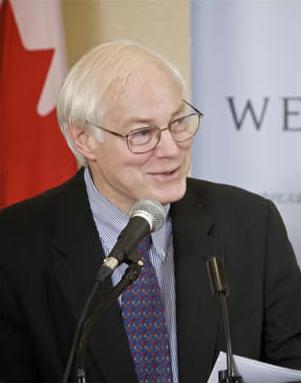
For Leach, this was part of a whistle-stop American Civility Tour, a 50-state march to call attention to the need for civility in public discourse. For the local organizations, it was good money, largely from the NEH via RICH, for programs that emphasize civic education in K-12 settings. There will be an additional $20,000 coming in the next few months, added Mary-Kim Arnold from RICH.
GET THE LATEST BREAKING NEWS HERE -- SIGN UP FOR GOLOCAL FREE DAILY EBLASTThe Winners Are
Barrington High School, Tammy McMichael, Project Director, for: A Look at Rhode Island’s Judiciary. Funds support an experiential component to an existing 2-week unit of study on the state and federal judiciary system in their upper class required American History Course.
Haffenreffer Museum of Anthropology at Brown University, Pamela Gray, Project Director, for African Americans in Rhode Island. Funds support development of online curriculum materials to complement and expand on the Haffenreffer’s Cultural CaraVan outreach program Sankofa: African Americans in Rhode Island. (The Cultural CaraVan program brings discussion to the classroom through direct interaction with objects and images from the museum.)
Global Rhode Island, Christopher Walsh, Project Director, for Teaching Complex International Issues and RI Capitol Forum on America’s Future. Funds support training teachers in multi-perspective approach to international issues at a 1-day workshop; dissemination of Choices curriculum materials into participating classrooms; public event at the State House for teachers and students; and evaluative workshop for teachers who elect to participate in the program.
Foster-Glocester Regional School System, Lisa Tvenstrup, Project Director, for Perspectives: Using Multiple Lenses for Historical Understanding. Funds support training US History and World History teachers in six selected Choices curriculum units as well as the purchase of these units for students as part of an ongoing revision of pedagogy and content in this school’s Social Studies Program.
Traces of the Trade, Kristin Gallas, Project Director, sponsored by the San Francisco Film Society for Slavery and Racial Identity Development: How to Teach Our Complex History. Funds support workshops to educate middle and secondary teachers in Rhode Island’s role in slavery and the slave trade, to disseminate curriculum developed by the Rhode Island Historical Society on these topics, and to provide information on additional resources.
Center of Nonviolence and Peace Studies at the University of Rhode Island, Paul Bueno de Mesquita, for Gandhi-King Teacher Institute: Integrating Nonviolence, Humanities & Civics Education. Funds support development of an institute for secondary teachers to learn about nonviolence, and how to use the Raise Your Voices program – with its stress on humanities reflection and arts, to engage students with this topic.
Vartan Gregorian Elementary School PTO, Wendy Warlick, Project Director, for I WAS THERE Project. Funds support expansion of an existing multidimensional oral history project that connects students to the history of their local community. The scope of the project includes professional development for teachers, creation of lessons and student experiences on the theme of “Factory Work and Jewelry,” and development of 3-day teachers institute on methods to disseminate model across the school system.
West Warwick Public Schools, Paul Bovenzi, Project Director, for Units of Study Workgroup. Funds support further work already begun by this school system to align systematically their district curriculum to the Civics GSEs at the elementary level and also to create two units of study for K-4 Social Studies that are both grounded in humanities content and perspectives as well as the GSEs. Specifically, funds allow ten K-4 Social Studies teachers to develop these units and purchase classroom materials.