


College Admissions: 5 Must Knows About SAT/ACT Extended Time
Cristiana Quinn, GoLocalProv College Admissions Expert
College Admissions: 5 Must Knows About SAT/ACT Extended Time
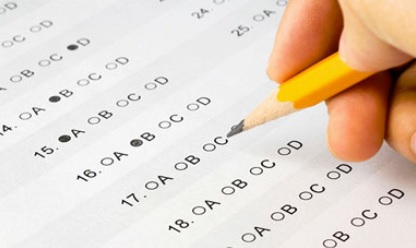

Start EARLY - If you have a rising 10th or 11th grader who will be taking the PSAT next fall, NOW is the time to apply for extended time. It can take several weeks or even months once all the paperwork is filed to get a response from the Collegeboard or ACT. And then, most families get a denial which must then be appealed, meaning more weeks and months of waiting.
GET THE LATEST BREAKING NEWS HERE -- SIGN UP FOR GOLOCAL FREE DAILY EBLASTCollect all your ammunition FIRST -Although the guidance counselor at your school will need to file the paperwork, you can help immensely by pulling together all the data points. Have a copy of your child’s most recent neuro-psych or LD testing (it should be less than 3 years old) and IEP. Make notes on all the accommodations and services that your child has received over the years in his/her school. Submit copies of timed and untimed test results. Write an overview of your child’s challenges, and get letters from teachers supporting the student’s situation.
Submit requests to both the SAT and ACT - Since the granting of accommodations can be random and difficult to understand, it’s best to stack the deck and apply for extended time with both agencies up front. That way, if one rejects your request, the other may grant it.
Be prepared to appeal - Since many requests are denied the first time, you should be prepared to appeal with additional information from testing, teachers and doctors. It is not unusual to go through three rounds of appeals before your request is granted. After your first rejection, call the Collegeboard or ACT and ask to speak to the SSD Reviewer to understand what additional documents they would like to see in order to grant your appeal--don’t rely on the denial letter for all the details. A phone call will yield much more information.
Remember that the ADA stands behind testing accommodations . A 2012 GAO study found that only 2% of SAT takers are receiving accommodations, while an estimated 12% of the population has a disability. The Department of Justice handles complaints involving the denial of accommodations, and sometimes it may be necessary to file a grievance or enlist the help of an ADA attorney if you have exhausted your appeals. I suggest notifying the Collegeboard or ACT of your intent beforehand to see if that helps change the situation before you move forward.
If all fails or you run out of time, remember that there are more than 800 test optional colleges and universities in the U.S. However, experience as an independent college counselor tells me that it can be more difficult to gain acceptance to competitive schools without test scores. So, make sure to start early with your testing accommodations if you have an LD, and cover all your bases.
Cristiana Quinn, M.Ed. is the founder of College Admission Advisors, LLC which provides strategic, college counseling and athletic recruiting services for students. www.collegeadvisorsonline.com.
New England College Super Rankings 2014
88T.
Art Institute of Boston at Lesley University
GoLocal 2013 ranking: N/A
Enrollment: 1,568
Tuition: $34,500
Admission Rate: 63.91%
Lesley University is a private, coeducational university in Boston, Massachusetts and Cambridge, Massachusetts well known for its education, expressive therapies, creative writing, counseling, and fine arts programs.
What students say:
I love my major! Expressive Arts Therapy is wonderful because alot of students are in the same boat as you!

88T.
Becker College
GoLocal 2013 ranking: N/A
Enrollment: 1,826
Tuition: $31,500
Admission Rate: 62.33%
Becker College is a college in central Massachusetts, United States with campuses in Worcester and Leicester. Becker College traces its history from the union of two Massachusetts educational institutions—one founded in 1784 and the other in 1887.
What students say:
I feel the academics at Becker College are outstanding. They really provide me with some useful knowledge.
88T.
Maine Maritime Academy
GoLocal 2013 ranking: 76
Enrollment: 970
Tuition: $16,490 (in-state) $22,770 (out-of-state)
Admission rate: 65.98%
Maine Maritime is a public, nautical training college that offers Bachelor’s degrees in engineering, biology, and science. Students are not required to participate in regimental lifestyle and their is no mandatory military service after graduation. The goal of the Academy is to instill leadership and management skills in its students.
What students say:
The Business and Logic Degree is on the cutting edge of today's economy. There are few schools that have the teachers we have with real work experience who can let us know how business really works both within the United States and abroad.
88T.
Massachusetts Maritime Academy
GoLocal 2013 ranking: 77
Enrollment: 1,312
Tuition: $7,519 (in-state) $23,097 (out-of-state)
Admission rate: 77.26%
Massachusetts Maritime is the oldest continuously operating maritime academy in the country. The Academy promises high quality training in marine transportation, engineering, and environmental protection. Students also ship down to the Caribbean between semesters to serve their Sea Terms, a voyage of about 52 days.
What students say:
Mass Maritime is very strict, after all it is a military based school. It definitely is a tough school to attend, but the challenges build you as a person, and the job opportunities this school offers, are by far one of the best in the country.
88T.
St. Joseph College
GoLocal 2013 ranking: 83
Enrollment:1,067
Tuition:$33,477
Admission rate: 79.53%
St. Joseph’s is a Roman Catholic women’s college in West Hartford, Connecticut. The campus features beautiful brick architecture and the small female student body truly embraces the arts and humanities.
2014 ranking highlights:
- Best Northeast Colleges #82
What students say:
I love my school because it exposes you to things you would never be interesting in. Yesterday i made a pillow in my spare time, I'm not sure many other campuses even care how their students sleep or what they sleep with. We have yoga, writing, painting and stress relieving classes and ALL of them are free.
88T.
Wheelock College
GoLocal 2013 ranking: N/A
Enrollment: 903
Tuition: $31,880
Admission Rate: 69.22%
Wheelock College was founded in 1888 by Lucy Wheelock as Miss Wheelock's Kindergarten Training School to improve the quality of early childhood education. The College offers undergraduate and graduate programs that focus on the Arts & Sciences, Education and Child Life, and Social Work and Family Studies to fulfill their mission of improving the lives of children and families. Wheelock is located in Boston, and is a member of the Colleges of the Fenway.
2014 ranking highlights:
- #69, Regional Universities (North)
What students say:
I think Wheelock has the best Social work program, and the most professionals there for support.
84T.
Green Mountain College
GoLocal 2013 ranking: N/A
Enrollment: 637
Tuition: $32,436
Admission Rate: 68.62%
Green Mountain College is a coeducational private environmental liberal arts college located in Poultney, Vermont. Green Mountain is located in the Vermont countryside, at the foot of the Taconic Mountains between the Green Mountains and Adirondacks. The college has a core set of courses known as the Environmental Liberal Arts (ELA) curriculum, in environmental and natural sciences, writing, reading, history and philosophy.
What students say:
The school is really focused on the environment and sustainabiltiy, which is why i choose to come here. This school is a great place for like ES majors and stuff like that NRM too. I dont know about other majors though.

84T.
Norwich University
GoLocal 2013 ranking: N/A
Enrollment: 2,321
Tuition: $33,368
Admission Rate: 64.75%
Norwich University is a private university located in Northfield, Vermont. It is the oldest private military college in the United States. The university was founded in 1819 at Norwich, Vermont, as the American Literary, Scientific and Military Academy. It is the oldest of six senior military colleges, and is recognized by the United States Department of Defense as the "Birthplace of ROTC" (Reserve Officers' Training Corps).
2014 ranking highlights:
- #74, Regional Universities (North)
What students say:
The engineering program is not only very hands on, but very tailored to your specific major, either civil, mechanical, electrical, or other branch.
84T.
University of Maine- Fort Kent
GoLocal 2013 ranking: 78
Enrollment: 1,169
Tuition: $7,575 (in-state) $17,535 (out-of-state)
Admission rate: 56.68%
Fort Kent is a small, public university in Northern Maine. Located near the border of New Brunswick and Quebec, this Liberal Arts school is well-acquainted with French American culture and many people in the region are bilingual.
What students say:
UMFK is known for its reputable nursing program. It is a hard workload but the advisers and professors are accessible if you need help and guidance and the classes are small so you get more one on one attention.
84T.
Worcester State University
GoLocal 2013 ranking: 75
Enrollment: 5,307
Tuition: $8,157 (in-state) $14,237 (out-of-state)
Admission rate: 68.14%
Worcester State is a public college with popular business, education, and nursing programs. Approximately one quarter of students reside in the three on campus residence halls. Worcester State was the only state college in Massachusetts to be ranked on the list of Best Northeastern Colleges in 2013.
What students say:
I love Worcester State University. I am so glad I chose this school.

83.
Franklin Pierce University
GoLocal 2013 ranking: 74
Enrollment: 1,737
Tuition: $30,900
Admission rate: 84.76%
Franklin Pierce is a private university located in rural New Hampshire. Overlooking Pearly Pond, Franklin Pierce houses the Center for Communication, Institute of Nature, and the Center for Civic Life. Intramurals are rather popular here, with almost half the student body participating, as well as the Adventure Recreation program.
What students say:
I transferred here and I enjoy this school much more than my previous college. While the weather and the fact that there isn't much to do off campus are definitely a few negative aspects of the school, overall I love the atmosphere.
81T.
Assumption College
GoLocal 2013 ranking: 80
Enrollment: 2,058
Tuition: $34,975
Admission rate: 75.34%
Assumption is a Roman Catholic college in Worcester, Massachusetts that grants Bachelor of Arts degrees. The college features the French Institute, a prominent research center for studying French history, language, and culture. Assumption’s student publications include Le Provocateur newspaper, Phoenix, a literary magazine, and Thoreau's Rooster, a creative nonfiction journal.
2014 ranking highlights:
A+ School For B Students #30
What students say:
There are some very motivational teachers here who are truly willing to help you.

81T.
Endicott College
GoLocal 2013 ranking: 81
Enrollment: 2,762
Tuition:$28,926
Admission rate: 63.4%
Endicott College is located on the North Shore of Massachusetts Bay. The college is best known for its applied learning strategy that requires all students to fulfill a set amount of internship hours to combine classroom and work experience. Notable alumni include Libby Moore, Chief of Staff at Harpo Productions.
2014 ranking highlights:
- Best Northeast Colleges #86
- #74 A+ Schools for B Students
- #6 Up-And-Coming Universities (North)
What students say:
I love the people and professors here. I am getting the education I am paying for and being on the beach is awesome.
80.
Regis College
GoLocal 2013 ranking: N/A
Enrollment: 1,149
Tuition: N/A
Admission Rate: N/A
Regis College is a small private Roman Catholic liberal arts college located on a 132 acres (0.53 km2) former estate in the suburb of Weston, Massachusetts, approximately 12 miles (19 km) from downtown Boston. Founded as a women’s college in 1927, Regis became co-educational in 2007, the last Catholic women's college in the Boston area to allow men.
What students say:
The professors make it the best part because you feel comfortable learning with them and widening your knowledge.

79.
University of Maine- Farmington
GoLocal 2013 ranking: 70
Enrollment: 2,028
Tuition: $9,167 (in-state) $18,255 (out-of-state)
Admission: rate: 87.45%
The University of Maine-Farmington is a nationally recognized liberal arts college and a “Best College” by US News & World Report for 16 consecutive years. Their excellent academic program has produced four of the last five Maine “Teacher of the Year” recipients. Students also have ample opportunity to ski, snowboard, hike and bike in the great outdoors.
2014 ranking highlights:
- A- Campus Strictness
What students say:
I like it here. It is a small safe campus and everyone is super friendly. The teachers go out of there way to help you any way they can.
78.
St. Anselm College
GoLocal 2013 ranking: 79
Enrollment: 1,954
Tuition: $35,204
Admission rate: 74.74%
Saint Anselm College is the third oldest Catholic college in New England. Saint Anselm builds well-rounded individuals through its nationally accredited two-year humanities program entitled “Portraits of Human Greatness.” The ice hockey team is a successful sports program, as the Hawks have won 7 Northeast Ten Conference championships.
2014 ranking highlights:
- National Liberal Arts Colleges #120
- Most Religious Students #20
- Best Campus Food #12
- Great Town-Gown Relations #20
What students say:
I love the school because not only are they known for their science and politics but they make sure to enroll you in classes that keep you an overall well rounded student.
77.
Massachusetts College of Liberal Arts
GoLocal 2013 ranking: 73
Enrollment: 1,600
Tuition: $8,525 (in-state) $17,470 (out-of-state)
Admission rate: 67.2%
Massachusetts College of Liberal Arts is a public liberal arts college resting in the scenic Berkshires of North Adams, Massachusetts. The college is regularly recognized as a Top Ten Public Liberal Arts College due to its intimate classroom setting of a 1:13 faculty to student ratio, research opportunities, and caring community.
2014 ranking highlights:
- Top Public (Liberal Arts) #10
- National Liberal Arts Colleges #176
What students say:
MCLA has great professors, great students, and it's a great homey type of environment. Those simply looking to party would be better suited towards a larger university but those who really want an education and are looking to get involved in the community end up thriving and having a great time.
76.
University of New England
GoLocal 2013 ranking: 69
Enrollment: 2,637
Tuition: $33,145
Admission rate: 86.13%
The University of New England is an innovative health-sciences university and centered in liberal arts. Through offering over 40 degree programs and the only medical school in Maine, UNE prepares its students with comprehensive health education mission to excel in healthcare fields including pharmacy, dental health and nursing.
2014 ranking highlights:
- B in Facilities
What students say:
I am glad I choose this school, it was a good fit for me, not too small, not to big and the welcome feel you get here is great, I would recommend it to anybody who wants pre med or biology major.

75.
United States Coast Guard Academy
GoLocal 2013 ranking: 58
Enrollment: 967
Tuition: $0
Admission rate: 15.89%
The United States Coast Guard Academy is a military service academy located in New London, Conn., overlooking the Thames River. A practice observed at most U.S. service academies, Coast Guard students are referred to as cadets, indicating their position as military trainees. Unlike the other service academies, admission to the Coast Guard Academy is based purely on merit—a congressional nomination is not required.
2014 ranking highlights:
- #2 Don’t Inhale (No Smoking)
- #11 Most Conservative Students
- #4 School Runs Like Butter
What students say:
You can make lots of good memories and gain lots of experiences and life skills. Wouldn't trade this experience for anything else.
74.
Westfield State University
GoLocal 2013 ranking: 61
Enrollment: 5,368
Tuition: $8,697 (in-state) $14,777 (out-of-state)
Admission rate: 64.24%
Founded in 1838 by noted educator and social reformer Horace Mann as the first public co-educational college in America without barrier to race, gender and economic class, Westfield State University is the most residential of public institutions of higher learning in Massachusetts. Westfield State University received the prestigious Howard C. Smith Cup from the Massachusetts State College Athletic Conference in the spring of 2010 in recognition of the best athletics program in the state – the ninth time that the program has received such an honor.
2014 ranking highlights:
- #39 Top Public (North)
- B- Food
- B Nightlife
What students say:
I love my school. I love the friends and connections I've made so far. My school is not too small but not big. I would choose my school again if I had to choose a school all over again. Classes are small and the professors work well with students. The sports teams are fun to watch.

73.
Eastern Connecticut University
GoLocal 2013 ranking: 72
Enrollment: 5,258
Tuition: $9,376 (in-state) $19,460 (out-of-state)
Admission rate: 67.4%
Eastern Connecticut State University is a public liberal arts university located in Willimantic, Connecticut. The school’s Liberal Arts Core Curriculum aims to mold students into dynamic leaders beyond college. Eastern graduates have no problems finding employment , with 91% being employed or in graduate school after graduation.
2014 ranking highlights:
- Top Public (North) #33
What students say:
The school has a community feel. its not too big yet not too small making it not overwhelming. I would choose this school again because the school made the transition smooth and the teachers where great.
71T.
Rhode Island College
GoLocal 2013 ranking: 62
Enrollment: 7,553
Tuition: $7,602 (in-state) $18,300 (out-of-state)
Admission rate: 69.15%
Rhode Island College is the oldest of the three public institutions of higher education that operate under the aegis of the Board of Governors for Higher Education in Rhode Island. Notable alumni include actor Viola Davis and US Congressman James Langevin.
2014 ranking highlights:
- #40 Top Public North
- B Nightlife
What students say:
The Ballroom club is the best to join and i really enjoy living on campus. I love the friends I’ve made and they make the experience so much better. I'm glad I came here.
71T.
University of Southern Maine
GoLocal 2013 ranking: 64
Enrollment: 7,407
Tuition: $8,900 (in-state) $21,260 (out-of-state)
Admission rate: 82.8%
The University of Southern Maine (USM) is a multi-campus public urban comprehensive university and part of the University of Maine System. Originally founded as two separate universities (Gorham Normal School, University of Maine at Portland), the two state universities were combined in 1970 to help streamline the public university system in Maine and eventually expanded by adding the Lewiston campus in 1988.
2014 ranking highlights:
- B- Nightlife
- B- Food
What students say:
I love my school. It was my most affordable option, but the quality truly surprised me. You get a bang for your buck when you go here.
70.
University of Massachusetts-Lowell
GoLocal 2013 ranking: 66
Enrollment: 12,287
Tuition: $12,097 (in-state) $19,210 (out-of-state)
Admission rate: 65.81%
The University of Massachusetts Lowell is a public university in Lowell, Massachusetts. Students learn from over 1,100 faculty members and can choose from over 100 degree programs as undergraduates. Lowell also has a strong sciences program, and has a radiation laboratory and Van De Graff accelerator for students in physics and nuclear engineering.
2013 ranking highlights:
- #85 Top Public (National) (U.S. News)
- #158 A+ Schools for B Students (U.S. News)
What students say:
I honestly have a lot of school spirit and its because this school has become my home away from home. I just like everything about it, I have met some of best people and have overall had a good experience.
69.
University of Massachusetts-Dartmouth
GoLocal 2013 ranking: 56
Enrollment: 7,562
Tuition: $11,681 (in-state) $18,363 (out-of-state)
Admission rate: 72.13%
UMass Dartmouth is best known for its programs in engineering, nursing, marine science, business, visual and performing arts, and also its Portuguese studies programs. The university has one of the nation's most extensive undergraduate and graduate programs in Portuguese language and literary studies, offering both a BA and an MA in Portuguese Studies, as well as a new Ph.D. program in Luso-Afro-Brazilian Studies and Theory.
2014 ranking highlights:
- #24 Top Public North
- A- Campus Strictness
What students say:
I love UMASS Dartmouth. I am part of greek life which was the best decision I made when I went to college. I would choose UMASS Dartmouth again because I really like the size of the school and that it is not too close to home but I can go home if I wanted to and I love everyone I met and I really enjoy my classes.
67T.
Bard College at Simon's Rock
GoLocal 2013 ranking: 71
Enrollment: 353
Tuition: $46,713
Admission rate: 92.64%
Bard College at Simon’s Rock is a small and intensive college located in the cultural hub of the Berkshires. Known as the “early college”, students are accepted after their sophomore or junior years in high school and are exposed to an inspiring curriculum and professors trained at prestigious universities.
2014 ranking highlights:
- Class Discussion Encouraged #10
- Professors Get High Marks #5
- Students Study The Most #20
- Lost of Race/Class Interaction #13
What students say:
Simon's Rock has a super friendly atmosphere, I found it pretty easy to fit in. However it is small, and since everyone is young it sometimes feels more like a boarding school than a college. I would still attend all over again though.
67T.
Western Connecticut State University
GoLocal 2013 ranking: 67
Enrollment: 5,583
Tuition: $8,440 (in-state) $19,472 (out-of-state)
Admission rate: 58.96%
Western Connecticut State University is a public university located in Danbury, Connecticut. The university has four undergraduate schools in business, arts and sciences, visual and performing arts, and professional studies. Students also have access to a a center for legal counseling, which is fully funded by the student government.
2014 ranking highlights:
- B+ Food
What students say:
WCSU has a lovely campus, and is welcoming to the many of us who commute or who are non-traditional students.
66.
University of Maine
GoLocal 2013 ranking: 65
Enrollment: 8,778
Tuition: $10,594 (in-state) $27,454 (out-of-state)
Admission rate: 81.06%
Located on the banks of the Stillwater River, the University of Maine’s Orono campus is just 100 miles from the Canadian border. Classes are cancelled each spring for Maine Day, when the university community hosts a parade, and then everyone helps clean the campus. The UMaine Black Bears are best known for their competitive hockey NCAA D1 hockey program. Notable UMaine alumni include bestselling horror author Stephen King, who wrote Carrie, The Shawshank Redemption, and The Green Mile.
2014 ranking highlights:
- #92 Top Public (National)
- #167 National Univesities
What students say:
UMaine is definitely a beautiful campus, and the classes and professors are really awesome. There are a lot of opportunities for students. Generally the campus feels welcoming and accepting. It is fun to live here, the school spirit is great.

65.
University of Rhode Island
GoLocal 2013 ranking: 68
Enrollment: 13,398
Tuition: $12,450 (in-state) $28,016 (out-of-state)
Admission rate: 76.92%
The University of Rhode Island is a public learner-centered research university located in Kingstown, Rhode Island.
2014 ranking highlights:
- Top Public (National) #81 (US News & World Report)
- National Universities #152
What students say:
I think the architecture and open quad make the atmosphere nice and relaxed. I also like the variety of sports and clubs offered.
64.
University of Hartford
GoLocal 2013 ranking: 54
Enrollment: 5,284
Tuition: $33,358
Admission rate: 59.69%
The University of Hartford is a private, independent, nonsectarian, coeducational university located in West Hartford, Connecticut. The university was chartered through the joining of the Hartford Art School, Hillyer College, and The Hartt School in 1957.
2014 ranking highlights:
- B+ Campus Strictness
- B Academics
What students say:
I love my school and I spend most of my time while I'm not in class promoting it. I work in a few different places at our school and I would tell anyone that I speak to through those jobs or just in general conversations to come to the University of Hartford.
63.
Central Connecticut State University
GoLocal 2013 ranking: 63
Enrollment: 9,942
Tuition: $8,706 (in-state) $18,790 (out-of-state)
Admission rate: 63.96%
Founded in 1849 to train teachers, CCSU has expanded over time to become a four-year degree granting institution. It is made up of five schools: the Ammon School of Arts & Science, the School of Business, the School of Education & Professional Studies, the School of Engineering & Technology, and the School of Graduate Studies. In the Connecticut State University system, CCSU is the most selective.
2014 ranking highlights:
- #36 Top Public
- B- Guys, B- Girls
What students say:
I enjoy the atmosphere and the general population of students. All my teachers have always made themselves available for help and I've never had any trouble with my classes.

62.
Emmanuel College
GoLocal 2013 ranking: 56
Enrollment: 2,198
Tuition: $34,670
Admission rate: 50.01%
Emmanuel College is a coeducational Roman Catholic liberal arts college in Boston,Massachusetts. Founded as a women's college by the Sisters of Notre Dame de Namur in 1919, Emmanuel went coed in 2001. The college was mostly known for training teachers but President Sister Janet Eisner secured millions in federal science
2014 ranking highlights:
- A+ Schools for B Students (North) #54
- A- Food, Nightlife
What students say:
The best thing about being in a city is that no matter what there is always something to do. As long as you are able to balance your social life and academic life, you will be fine!
61.
Merrimack College
GoLocal 2013 ranking: N/A
Enrollment: 2,429
Tuition: $35,085
Admission Rate: 76.98%
Merrimack College is a private college in the Roman Catholic, Augustinian tradition located in North Andover, Massachusetts, 25 miles north of Boston. It offers 90+ undergraduate academic programs in business, education, science, engineering, and the liberal arts.
2014 ranking highlights:
- #10, Regional Colleges (North)
What students say:
60.
Hampshire College
GoLocal 2013 ranking: 59
Enrollment: 1,461
Tuition: $46,625
Admission rate: 63.69%
Hampshire College was opened in 1970 as an experiment in alternative education, in association with four other colleges in the Pioneer Valley. Hampshire is known for its alternative curriculum, focus on portfolios rather than distribution requirements, and reliance on narrative evaluations instead of grades and GPAs. Further, the college is well respected for its support of study of film, music, theater and the visual arts.
2014 ranking highlights:
- #110 National Liberal Arts Colleges
- A+ Campus Strictness
What students say:
I LOVE Amherst and Northampton. I go to Amherst for the coffee shops and restaurants. I go to Northampton to walk around downtown, grab a bite to eat, get coffee, go to music venues, and go shopping. The atmosphere of both is so lively and welcoming, there's always something going on (especially with so many colleges in the area).

58T.
Gordon College
GoLocal 2013 ranking: 51
Enrollment: 1,580
Tuition: $33,230
Admission rate: 40.29%
Gordon College (GC) is a liberal arts college located on the former Princemere estate in Wenham, Massachusetts. Founded by Baptist minister A. J. Gordon as a missionary training institute, the predominantly undergraduate college is largely Christian. Students are required to sign the school's Statement of Faith, though the religious conclusions and commitments among students and faculty remains diverse.
2014 ranking highlights:
- #138 National Liberal Arts Colleges
- A- Campus Housing
What students say:
I am a music major, and am overall very happy with the program. If I had to choose schools again, I would definitely choose Gordon.
58T.
Plymouth State University
Plymouth, New Hampshire
GoLocal 2013 ranking: 43
Enrollment: 4,238
Tuition: $12,610 (in-state) $20,030 (out-of-state)
Admission rate: 76.48%
Plymouth State University is a coeducational, residential university that was founded as Plymouth Normal School in 1871. Over time it has been a teachers college, a state college, and finally a state university in 2003. The school gained made headlines in 1985 when Sports Illustrated featured PSU running back Joe Dudek as its pick for the Heisman Trophy. Dudek earned the attention for breaking Walter Payton's mark for career touchdowns. .
2014 ranking highlights:
- #35 Top Public North
- B Facilities
What students say:
There is an incredible amount of diversity here!
57.
Lesley University
GoLocal 2013 ranking: 47
Enrollment: 1,568
Tuition: $34,500
Admission rate: 63.91%
Lesley University is a private, coeducational university known for its education, expressive therapies, creative writing, and arts programs. The university's Master of Fine Arts in Creative Writing program is consistently ranked as one of the best low-residency MFA programs in the nation. The Lesley School was founded by Edith Lesley in 1909. It was a proprietary women's institution until 1941.
2014 ranking highlights:
- A- Campus Strictness
- B Food
- B Girls / B Guys
What students say:
Lesley is absolutely the best school to go to for education. They get you started your first year with actually going to field experiences and take their education courses extremely seriously. It's a really great program, and you truly will not find a better education program than at Lesley.

56.
Salve Regina University
GoLocal 2013 ranking: 53
Enrollment: 2,053
Tuition: $34,950
Admission rate: 69.65%
Founded by the Sisters of Mercy, the university is a Catholic, co-educational, private, non-profit institution chartered by the State of Rhode Island in 1934. In 1947 the university acquired Newport mansion, Ochre Court, and welcomed its first class of 58 students. All students are required to perform 10 hours of community service in their freshman year and are encouraged to volunteer throughout their college years.
2014 ranking highlights:
- #43 A+ Schools For B Students North
- B Facilities
What students say:
I absolutely love the school, it was my first choice from the beginning. However, it being such a small wealthy school might make it a little cliquey. Some people can be snobby and it is kind of hard to find a good group of friends with that energy around.
55.
Keene State University
GoLocal 2013 ranking: 45
Enrollment: 4,933
Tuition: $12,776 (in-state) $20,161 (out-of-state)
Admission rate: 78.48%
Founded in 1909 as a teacher's college, Keene State College offers nearly 40 majors in the liberal arts and sciences, professional programs, and selected graduate degrees. The Education major at Keene State College is a respected teacher education program, and Keene State hosts major annual seminars in children's literature.
2014 ranking highlights:
- #24 Top Public (North)
- B+ Nightlife
What students say:
One thing I fell in love with while touring Keene State College was the town. It is beautiful and has a lot of charm. There are a variety of different stores each unique in their own way.
54.
Southern Connecticut State University
GoLocal 2013 ranking: 57
Enrollment: 8,525
Tuition: $8,981 (in-state) $19,065 (out-of-state)
Admission rate: 75.45%
Southern Connecticut State University began in 1893 when three teachers and 84 students met at the old Skinner School in New Haven to create a two-year teacher training school. By 1937, Southern had grown into a four-year college with the power to grant bachelor's degrees. SCSU's men's soccer team is the most successful on the national level, having won six titles, the most for any Division II men's soccer team in the country.
2014 ranking highlights:
- B+ Girls / B- Guys
What students say:
The directors of student life are great at working with you, and there many resources on campus to help you reach your full potential academically, emotionally, spiritually, physically and otherwise.
53.
Fairfield University
GoLocal 2013 ranking: 52
Enrollment: 3,879
Tuition: $42,920
Admission rate: 71.16%
Founded by the Society of Jesus in 1942, the primary objectives of a Fairfield University education are to develop the creative intellectual potential of its students and to foster in them ethical and religious values and a sense of social responsibility. A team of four Fairfield students won three consecutive matches on the GE College Bowl, a popular 1960s quiz game show broadcast live nationally on the NBC television network.
2014 ranking highlights:
- #3 A+ Schools for B Students (North)
- A- Girls / A- Guys
What students say:
Fairfield offers its students student-run activities through different branches of funding, such as: 'Fairfield at Night', 'FUSA', Movie Fridays, or an extracurricular club. Some of these activities would are: bingo, scavenger hunts, Midnight Breakfast, video game competitions or arcade games, laser tag, magicians and comedians, concerts, and dances.
52.
Springfield College
GoLocal 2013 ranking: 82
Enrollment: 2,267
Tuition: $30,390
Admission rate: 66.78%
Springfield is a private college located on Watershops Pond in Massachusetts. The college specializes in health sciences and human and social services. Springfield is known as the “Birthplace of Basketball” since notable alum, James Naismith, is the inventor of the sport.
2014 ranking highlights:
- Best Northeast Colleges #55 (US News & World Report)
- A- Guys
What students say:
I go to Springfield College and one of the main reasons for my attendance is how well known the sports management major is here. There are many alumni working out in the sports management field right now and that was a very big attraction for me.
51.
Southern New Hampshire University
GoLocal 2013 ranking: 44
Enrollment: 11,253
Tuition: $28,050
Admission rate: 80.73%
Also known as SNHU, this is a private university in Manchester and Hooksett, New Hampshire. Paul LeBlanc, the university's President, is one of the signatories of American College & University Presidents' Climate Commitment, and in 2007 SNHU became the first carbon-neutral university in New Hampshire.
2014 ranking highlights:
- A- Food
- B+ Nightlife
What students say:
The campus of Southern New Hampshire University is accepting of all students no matter what kind of background they have. SNHU does a great job of including everyone and making everybody feel welcome here.

49T.
Stonehill College
GoLocal 2013 ranking: 85
Enrollment: 2,602
Tuition: $36,160
Admission rate: 79.94%
Stonehill College is a private, Catholic college located in the suburbs of Easton, Massachusetts. Stonehill offers 31 programs of study and a large, three story library. The Skyhawks compete in Division II athletics and fun-filled intramurals. Notable alumni include James “Lou” Gorman, former general manager for the Boston Red Sox.
2014 ranking highlights:
- National Liberal Arts Colleges #100
- #115 National Liberal Arts Colleges
What students say:
The campus tour on a beautiful spring day helped me make my decision to attend Stonehill. The friendships I have made, professors I've had, the academic and athletic challenges I've experienced make everyday a great day!
49T.
Wheaton College
GoLocal 2013 ranking: 35
Enrollment: 1,616
Tuition: $45,074
Admission rate: 64.34%
Founded in 1834 as a female seminary, Wheaton College is one of the oldest institutions of higher education for women in the United States. Wheaton became a women's college in 1912 and did not admit men until 1988, more than 150 years as a female-only institution.
2014 ranking highlights:
- #65 National Liberal Arts College
- A- Academics
What students say:
Wheaton College shines in its ability to support students without resorting to hand holding, which is what results in such honors. The one defining characteristic of students is their friendliness. Wheaton College is where promising students are transformed into scholars and better people along the way.
48.
Johnson and Wales University
GoLocal 2013 ranking: 33
Enrollment: 9,525
Tuition: $27,456
Admission rate: 69.82%
Johnson and Wales University operates in four locations nationwide, and each consists of the College of Business, the College of Culinary Arts, the Hospitality College, and the School of Arts and Sciences. The Providence location offers additional undergraduate and graduate schools in subjects like Education and Technology.
2014 ranking highlights:
- A- Nightlife
- A- Food, Diversity
What students say:
This school doesn't look at your SAT scores which is great for those who are not great test takers. They do offer plenty of scholarships and if you do happen to have a good SAT score, you are able to get better academic scholarships. There are no crazy application processes at this school. They make it very easy to apply and you are not intimidated.
47.
University of New Haven
GoLocal 2013 ranking: 39
Enrollment: 4,693
Tuition: $33,740
Admission rate: 71.47%
The University of New Haven is comprised of the Colleges of Arts and Sciences, Business, Engineering, Criminal Justice, and Forensics, and Lifelong & eLearning for adult and online students. Students can choose from 160 clubs and organization to fill their time, or take a shuttles to go shopping, to the beach, or to downtown New Haven.
2014 ranking highlights:
- A- Diversity
What students say:
During the school year, there are tons of different events on campus hosted by the many clubs and organizations. There is always something to do, whether it is going on a trip sponsored by one of the clubs or going to Kayo Field to play capture the flag at 3 a.m.

46.
Roger Williams University
GoLocal 2013 ranking: 41
Enrollment: 4,391
Tuition: $31,668
Admission rate: 77.14%
Although named for Rhode Island co-founder and theologian Roger Williams, this private, coeducational American liberal arts university located on 140 acres above Mt. Hope Bay in Rhode Island has no religious affiliation. The university has drawn attention for its program in civil discourse, including the journal Reason and Respect, which has brought speakers including Salman Rushdie, David Gergen, First Minister and Nobel Prize–winner David Trimble, Bob Geldof of Live Aid, and others to campus.
2014 ranking highlights:
- #37 A+ Schools for B Students
- A Food
What students say:
Overall, my experience here has been incredible. The people here are so welcoming, and there is no pressure to party or study; it's up to you to form your life the way you want to do it.
45.
Simmons College
GoLocal 2013 ranking: 49
Enrollment: 1,792
Tuition: $35,370
Admission rate: 48.31%
Established in 1899, Simmons is a private women's undergraduate college and private co-educational graduate school in Boston. The school's MBA program is the first in the world designed specifically for women.
2014 ranking highlights:
- #16 A+ Schools for B Students
- #1 Dorms Like Palaces
- #18 Stone-Cold Sober Schools
What students say:
It is the mix of extracurriculars, academics, environment, and nurturing that leads Simmons women to enjoy their experience. The surprising amount of transfers into the College supports the claims of students.
44.
Western New England University
GoLocal 2013 ranking: 86
Enrollment:2,695
Tuition:$33,020
Admission rate:78.97%
Western New England is a small private university in Springfield, Massachusetts. It is a growing school that just transitioned to university status in 2011 and offers degrees in both Liberal Arts and pre-professional studies.
2014 ranking highlights:
- Best Northeast Colleges #70
- B+ Academics
What students say:
I love the campus and the people that go here. Also the classes offered and great and (most) professors are very interesting are knowledgable of the subjects.
43.
Connecticut College
GoLocal 2013 ranking: 37
Enrollment: 1,926
Tuition: $46,085
Admission rate: 35.85%
Connecticut College is a small private liberal arts college located in New London. Overlooking the Thames River and the Long Island Sound, the school is considered to be part of a group of colleges called “Little Ivies,” which also includes schools like Amherst College, Williams College, and Wesleyan University. It is known for its interdisciplinary studies, international programs, funded internships, student-faculty research, and service learning.
2014 ranking highlights:
- #45 National Liberal Arts Colleges
- A Campus Strictness
- A Girls/ A Guys
- #45 National Liberal Arts Colleges
What students say:
This is a great school for students who don't know what they want to major in; Conn's General Education requirements make it mandatory to take a variety of courses, and faculty are always available to advise students.

42.
College of the Holy Cross
GoLocal 2013 ranking: 30
Enrollment: 2,926
Tuition: $44,272
Admission rate: 33.54%
College of the Holy Cross is known for its Monsterrat Program for first year students. The program forms small groups of students that take the same classes, live in the same themed residence areas, and take part in group activities. It also emphasizes discussion in small seminars and interdisciplinary “clusters.”
2014 ranking highlights:
- #25 National Liberal Arts Colleges
- #19 College Town Not So Great
What students say:
My overall experience at Holy Cross has been great. I love how Holy Cross is solely an undergraduate institution, because it allows the school to only focus on the 3,000 undergrads that are studying there. The professors truly care about each and every student, and it is evident that they love what they do. The students are also equally as great and make the Holy Cross experience one that is unmatched.
41.
College of the Atlantic
GoLocal 2013 ranking: 60
Enrollment: 330
Tuition: $38,952
Admission rate: 70.63%
The College of the Atlantic was conceived by Mount Desert Island residents who wanted to stimulate the island's economy during the off-season, when revenue from tourism declined, by creating a year-round institution of higher education. In 1968, Father James Gower, a Catholic priest and peace activist, and his former football teammate from Bar Harbor High School, businessman Les Brewer, conceived the idea for the College of the Atlantic. The school's curriculum is based on human ecology and focuses on interdisciplinary learning.
2014 ranking highlights:
- #8 Most Liberal Students
- #12 Best Value Liberal Arts
- #7 Best Campus Food
What students say:
1 Major. Human Ecology. It includes all of the classes with no general education requirements and it is designed completely by you and your future goals.

40.
Champlain College
GoLocal 2013 ranking: 29
Enrollment: 2,793
Tuition: $31,350
Admission rate: 73.94%
Champlain College is a private non-profit college located in Burlington, Vermont. The college boasts a unique atmosphere due to many of its buildings being restored Victorian-era private homes. Its academic approach is its signature Upside Down Curriculum, in which students pursuing professional ventures and taking classes in career-oriented majors right away.
2014 ranking highlights:
- #2 Class Discussions Encouraged (Princeton Review)
- Nightlife: A- (College Prowler)
What students say:
I love Champlain. The teachers are interesting and caring, as well as brilliant; and the students all get along!
39.
Bryant University
GoLocal 2013 ranking: 48
Enrollment: 3,180
Tuition: $37,234
Admission rate: 62.0%
Bryant University was founded in 1863 as a branch of Bryant and Stratton, a national school which originally taught bookkeeping and methods of business communication and was named after founders, John Collins Bryant and Henry Beadman Bryant. Bryant was originally located in downtown Providence, Rhode Island, but in 1971 moved to its location when the founder of Tupperware, Earl Silas Tupper (a Bryant alumnus), donated the current 428 acres of land to be the new campus.
2014 ranking highlights:
- #2 Up-And-Coming Universities (North)
- #4 A+ Schools for B Students
What students say:
There are more than 70 clubs and organizations and plenty of programs and activities to keep students involved and meeting new people throughout their four years at Bryant. The campus feels like a tight-knit community to students, where everyone knows everyone and school immediately becomes a home away from home.
38.
Suffolk Unniversity
GoLocal 2013 ranking: 32
Enrollment: 5,770
Tuition: $31,716
Admission rate: 78.36%
Suffolk University, located on Beacon Hill, is the third-largest university in Boston. The school has three on-campus dorms and housing is determined on a first-come-first-served basis, which can make it quite competitive. Suffolk has hosted high profile speakers such as John F. Kennedy, Supreme Court Justice William Rehnquist, and George H.W. Bush.
2014 ranking highlights:
- #16 Best College Town
- #19 Most Popular Study Abroad Programs
- #15 Lots of Race/Class Interaction
What students say:
I am in the CAS program and I love it. Everyone is so nice and it's great being able to talk to students who share the same interest as me and want to do the same things. The curriculum and difficult when it comes to certain classes and the workload can get overwhelming but it's all worth it.

37.
Bentley University
GoLocal 2013 ranking: 28
Enrollment: 4,237
Tuition: $41,110
Admission rate: 45.06%
Bentley University aims to create ethical, socially responsible, and creative organizational leaders across the fields of business and the arts and sciences. Notable alumni include WJLA-TV broadcast journalist Gail Huff and Big Brother star Mike Malin.
2014 ranking highlights:
- A- Academics (College Prowler)
- #3 Best Career Services
What students say:
Great intramural sports clubs! Everyone plays and joins in. Varsity sports are rarely attended and school spirit is very subpar. Women's basketball however is awesome and everyone loves that. Go Lady Falcons!
36.
Babson College
GoLocal 2013 ranking: 46
Enrollment: 2,015
Tuition: $43,520
Admission rate: 29.9%
Babson College, a private business school, is one of the most highly ranked schools for entrepreneurship in the world, having received many accreditations for both its undergraduate and graduate programs. Babson's undergraduate school has been ranked #1 in entrepreneurship for 16 years.
2014 ranking highlights:
- #11 Lots of Race/Class Interaction
- A Academics
- A- Campus Housing
What students say:
Most students agree that the workload is by far larger than they initially expected. And although it takes some time to get used to the curriculum, students feel that the impeccable education is worth it.
35.
Sacred Heart University
GoLocal 2013 ranking: 36
Enrollment: 4,092
Tuition: $35,050
Admission rate: 76.29%
Sacred Heart University is a Roman Catholic university founded in 1963 by the Most Reverend Walter W. Curtis, Bishop of the Diocese of Bridgeport, Connecticut. Sacred Heart University was the first Catholic university in the United States to be staffed by thelaity. SHU is the second largest Catholic university in New England, behind Boston College, and offers more than 40 degree programs to over 6,000 students at the bachelor's, master's and doctoral levels.
2014 ranking highlights:
- #33 A+ Schools for B Students
- #16 Best College Radio Station
What students say:
The School of Health Professions is amazing. The majority of the professors throughout the University care about you and want you to succeed. The only downfall about the curriculum is that they require too many core classes. The popular areas of study are exercise science, nursing, athletic training, and some areas of business.

34.
Bennington College
GoLocal 2013 ranking: 50
Enrollment: 688
Tuition: $45,680
Admission rate: 63.03%
Bennington College is a private, nonsectarian liberal arts college located in Bennington, Vermont. The college was founded in 1932 as a women's college and became co-educational in 1969. Its move to coed attracted national attention, including a major feature story in the New York Times Magazine. Bennington College has a low-residency Master of Fine Arts program in writing. The Atlantic recently named it one of the nation's best, and Poets & Writers Magazine named it one of the top three low-residency programs in the world.
2014 ranking highlights:
- #100 National Liberal Arts
- #2 Best Classroom Experience
- #3 Class Discussions Encouraged
- #1 Most Liberal Students
What students say:
I love Bennington. It's got a really close, vibrant community, full of people who are working on the things they love. The workload can be hard and it is expensive here, but I feel like I'm really getting a better, broader education here than I could anywhere else.
33.
Worcester Polytechnic Institute
GoLocal 2013 ranking: 38
Enrollment: 3,952
Tuition: $42,778
Admission rate: 52.55%
Worcester Polytechnic Institute has 14 academic departments that offer more than 50 undergraduate and graduate degree programs in science, engineering, technology, management, the social sciences, the humanities, and the arts. The school is known for its Global Perspective Program, which sends more engineering students abroad than any other US college or university.
2014 ranking highlights:
- #48 Best Value National
- #6 Most Popular Study Abroad Programs
- A- Academics
What students say:
Most people who decide to come to WPI absolutely love the school. The small, welcoming atmosphere is wonderful. Students tend to like the campus itself, too; it's beautiful, especially in the spring.
31T.
Bates College
GoLocal 2013 ranking: 21
Enrollment: 1,753
Tuition: $45,650
Admission rate: 26.58%
Bates College is a private liberal arts school located in Lewiston, Maine. The first New England college to admit both men and women, Bates also made the SATs optional for admission in 1984. The college has a strong commitment to sustainability, installing occupancy sensors and passive lighting to minimize electricity use.
2014 ranking highlights:
- #12 Best College Radio Station
- #16 Best College Food
What students say:
I love Bates. I love the education I receive at Bates, I love the food, I love the classes, I love my team, but what makes Bates what it is are the people. I have never in my life been around such genuine, intelligent, down to earth, fun-loving, nice people. What makes going to Bates such an amazing experience is going to Bates with such great people--students, professors, staff, everyone.
31T.
St. Michael’s College
GoLocal 2013 ranking: 84
Enrollment:1,971
Tuition:$39,015
Admission rate: 77.98%
St. Michael’s is a private, Catholic college in Colchester, Vermont. The Liberal Arts education features small classes with a 12:1 professor to student ratio. Almost all students live on campus and 80% of students come from states outside Vermont. Also home to St. Michael’s Playhouse, a talented theater program.
2014 ranking highlights:
- Town Gown Relations #10
- National Liberal Arts Colleges #89
- #20 Best Quality of Life
What students say:
I wouldn't trade the students or staff for the world. I love it here and how everyone is so friendly. There's real way to describe the atmosphere except with the fact that people will hold all doors for you and you can't walk anywhere without seeing someone without saying hello.

30.
University of New Hampshire
GoLocal 2013 ranking: 31
Enrollment: 12,811
Tuition: $16,496 (in-state) $29,216 (out-of-state)
Admission rate: 77.94%
The University of New Hampshire is the largest in the state, and boasts over 100 majors and 2,000 course offerings. Its main campus is located in Durham, while another campus is located in Manchester. Students can participate in some 200 student organizations that cover a broad range of interests.
2014 ranking highlights:
- #44 Top Public (North)
- #97 National Universities
What students say:
UNH is a wonderful campus that offers something for everyone. It is a beautiful place to spend four years and the people who attend the school are friendly and outgoing.
29.
Providence College
GoLocal 2013 ranking: 34
Enrollment: 3,810
Tuition: $42,206
Admission rate: 61.04%
Providence College is comprised of four schools: Arts and Sciences, Business, Professional Studies, and Continuing Education. Its academic approach is well known for its two-year Development of Western Civilization program, also known as “DWC” or “Civ.” Notable alumni include actor John O’Hurley, film director Peter Farrelly, and rising NBA star Marshon Brooks.
2014 ranking highlights:
- #10 Best Value (North)
- #4 Everyone Plays Intramural Sports
- A+ Nightlife
What students say:
The brilliance of the education at PC is that it extends itself outside of the classroom. A student's experience at PC can be anything that they want to make it. If you want to focus on academics, you can, and you will find a group of people who feel exactly the same way you do. If you want an education in socializing or just want your college years to be the wild and crazy ones you’ve heard they can be, PC has that, too. Most students come to PC ready to work and ready to have fun—as long as you are open-minded, PC will give you everything you desire.
28.
Marlboro College
GoLocal 2013 ranking: 42
Enrollment: 300
Tuition: $37,640
Admission rate: 87.26%
Home to 300 students, Marlboro College is an intentionally small, coeducational, academically rigorous liberal-arts college. Students at Marlboro create an individualized course of study in collaboration with faculty members and participate in a self-governing community. Students pursue a self-designed, often inter-disciplinary, Plan of Concentration based on their academic interests that culminates in a major body of scholarship. The campus hosts the famed Marlboro Music Festival.
2014 ranking highlights:
- #1 Professors Get High Marks
- #20 Most Politically Active
- #13 Class Discussion Encouraged
- #3 Students Study the Most
What students say:
Consistently growing in its respectable reputation, this school will forever strive to keep the learning process focused on and around the students.
27.
Trinity College
GoLocal 2013 ranking: 25
Enrollment: 2,301
Tuition: $47,510
Admission rate: 33.74%
Trinity College is a private liberal arts college in Hartford, Connecticut. Coeducational since 1969, Trinity students matriculate to the university by signing the matriculation register — a practice in place since 1826. Students enjoy a 10:1 student to teacher ratio and five a capella groups.
2014 ranking highlights:
- #16 Great Financial Aid
- #13 LGBT Unfriendly
What students say:
There are so many things to see and do, incredible people to meet, and wonderful classes to take while at Trinity. As a Bantam you have to go to Squash match, go to an event at a cultural house you might be hesitant to identify with, and get to know your professors.
26.
University of Vermont
GoLocal 2013 ranking: 17
Enrollment: 11,211
Tuition: $15,718 (in-state) $36,646 (out-of-state)
Admission rate: 76.65%
The University of Vermont is a public university located in Burlington, Vermont. The fifth oldest college in New England, the University of Vermont has seven colleges and a separate Honors College which students can enroll in concurrently. The university also has a strong commitment to sustainability, with plans to achieve carbon neutral electricity by 2015.
2014 ranking highlights:
- #34 Top Public National
- #14 Financial Aid Not So Great
- #6 Reefer Madness
What students say:
The University is very diverse and accepting of all ethnicity/races, economic background, political beliefs, religion, and sexual orientation.
25.
Quinnipiac University
GoLocal 2013 ranking: 24
Enrollment: 6,430
Tuition: $39,330
Admission rate: 68.65%
Quinnipiac University is a private university in Hamden, Connecticut. Near Sleeping Giant State Park, Quinnipiac is also 90 minutes from New York City and two hours from Boston. In addition to 52 undergraduate majors, Quinnipiac has 20 graduate programs and a law school.
2014 ranking highlights:
- #15 Not So Great Financial Aid
- #1 Up-and-Coming (North)
What students say:
The hockey team on campus is big. Much of Quinnipiac's community attends the hockey games on the weekend to cheer on our fellow Bobcats. At every game, you can see a sea of blue and gold symbolizing Quinnipiac's school colors.

24.
Franklin W. Olin College of Engineering
GoLocal 2013 ranking: 40
Enrollment: 355
Tuition: $42,500
Admission rate: 19.21%
Olin College, as it’s known, is a private undergraduate engineering college located in Needham, Massachusetts (near Boston). Olin is noted in the engineering community for its youth, small size, project-based curriculum, and large endowment funded primarily by the F. W. Olin Foundation. Olin admitted its first full class of 75 students in 2002
2014 ranking highlights:
- #2 Students Study the Most
- #10 Best Classroom Experience
- #16 Stone Cold Sober Students
- #4 Best Quality of Life
- #1 Easiest To Get Around
- #11 Dorms Like Palaces
What students say:
The people are the coolest I've met anywhere and the academics are so strong and not competitive at all. Everyone wants you to succeed and will help you. I could not be more happy.
23.
Boston College
GoLocal 2013 ranking: 15
Enrollment: 9,110
Tuition: $45,622
Admission rate: 28.81%
Boston College is a private Jesuit research university in Chestnut Hill, Massachusetts. Founded in 1863, Boston College has eight research libraries, with one dedicated to the storage and preservation of rare books. It also boasts strong athletics, with five national championships won by its ice hockey team.
2014 ranking highlights:
- #15 Little Class/Race Interaction
- #29 High School Counselor Ranking
What students say:
There is a ton to do in the Boston area and BC's proximity to public transportation means you can get downtown or to the popular Fenway area very easily. I always felt safe on and around campus and have lived near downtown my whole life so this was not new for me.
22.
Clark University
GoLocal 2013 ranking: 27
Enrollment: 2,352
Tuition: $39,550
Admission rate: 70.05%
Clark University is a small research school in Worcester, MA. Clark’s education model is LEEP (Liberal Education and Effective Practice), which combines real-world and workplace experience with its liberal arts curriculum. Twenty-five percent of Clark’s graduating class stays to pursue a “tuition free” master's degree in one of 14 areas of study.
2014 ranking highlights:
- #18 Most Liberal Students
- A- Academics, Campus Housing (College Prowler)
What students say:
The apartments around campus are amazing, and close by. It's nice that we have the option to get off campus a little bit, even though most of the time, they are basically part of campus anyway. I just like the newly refurbished old tri-levels.
21.
Emerson College
GoLocal 2013 ranking: 26
Enrollment: 3,675
Tuition: $35,730
Admission rate: 48.43%
Emerson College is a private university in Boston. It is the only school in the country devoted exclusively to educating students in communication, media, and the arts in a liberal arts context. The urban campus has building located throughout city’s Washington Street Theatre district, offering stunning views of the iconic Boston Common.
2014 ranking highlights:
- #1 LGBT Friendly
- #5 Least Religous
- #3 Best Radio Station
What students say:
Our diversity when it comes to sexual orientation, religion, ethnic heritage and national origin is extremely accepting. Emerson is extremely LGBT friendly and friendly of all people in general. The only very homogenous trait is that almost all students are very liberal when it comes to politics.

20.
Boston University
GoLocal 2013 ranking: 18
Enrollment: 18,306
Tuition: $44,910
Admission rate: 45.61%
Boston University is a private university located in Boston, Massachusetts. One of the nation’s largest private universities, Boston University is also one of Boston’s largest educational institutions. It operates programs in six other locations around the world, from London to Dubai.
2014 ranking highlights:
- #6 Great College Towns
- #41 National Universities
What students say:
BU gives you a lot of opportunities, transferring between schools is not a difficult task. Also, study abroad gives you many opportunities to open your horizons. Along with that, UROP gives you many more research opportunities.
19.
University of Massachusetts- Amherst
GoLocal 2013 ranking: 23
Enrollment: 21,928
Tuition: $13,258 (in-state) $27,974 (out-of-state)
Admission rate: 62.55%
The University of Massachusetts Amherst is a public research university in Amherst, Massachusetts. Known for its strong research programs, Amherst also offers 88 undergraduate majors to its students. Students at Amherst enjoy a variety of extracurricular groups, including its newspaper, The Massachusetts Daily Collegian, and two radio stations.
2014 ranking highlights:
- #40 Top Public National
- #3 Best Campus Food
What students say:
“The dining halls serve a wide variety of foods. There are a lot of on campus restaurants and businesses that serve really good, cooked to order food.”

18.
Brandeis University
GoLocal 2013 ranking: 22
Enrollment: 3,588
Tuition: $46,106
Admission rate: 39.11%
Brandeis University is a private research university in Waltham, Massachusetts. Named for the first Jewish Justice of the U.S. Supreme Court, Brandeis is home to multiple a cappella groups, theater and sketch comedy troupes and improv-comedy groups. It is also home to a number of research centers and institutes, including the Cohen Center for Modern Jewish Studies and Schuster Institute for Investigative Journalism.
2014 ranking highlights:
- #31 Best Value Liberal Arts
What students say:
Professors are brilliant and the facilities used for learning are top notch. There are people everywhere that seek to help you out whenever you need so falling behind should not be an issue. The amount of learning that takes place here is ridiculous, but never too much for anyone and just right for the curious mind.
17.
University of Connecticut
GoLocal 2013 ranking: 20
Enrollment: 17,528
Tuition: $12,022 (in-state) $30,970 (out-of-state)
Admission rate: 44.71%
The University of Connecticut is a public university in Storrs, Connecticut. Students at UConn can choose from over 100 majors and 87 minors at any of the university’s six campuses. Many also choose to live on their respective campuses and enjoy a variety of school traditions, from mud volleyball to an annual lip-syncing contest.
2014 ranking highlights:
- #9 Professors Get Low Marks
- #19 Top Public National
- #16 Students Pack the Stadium
- #16 Jock Schools
What students say:
The Uconn huskies basketball program stands next to none in the Northeast. Games are always the talk around campus especially around tournament time. Student involvement in club sports is quite common on campus.
16.
Northeastern University
GoLocal 2013 ranking: 19
Enrollment: 13,107
Tuition: $41,686
Admission rate: 31.86%
Northeastern University is a private research university in Boston, Massachusetts. The university is known for its open spaces and close proximity to other major educational institutions, like the Berklee College of Music and New England Conservatory. Students at Northeastern live in the heart of Boston’s Fenway Cultural District, with easy access to the T and the city’s world-renowned Symphony Hall.
2014 ranking highlights:
- #2 Best Career Services
- #20 Dorms Like Palaces
- #15 Great College Towns
What students say:
The academic advisors are fantastic, the amount of clubs and sports you can participate in is immense, and the people are very diverse. Coming from a small neighborhood in the Northeast, I have been exposed to so much here and have been loving every minute of it. I have met some amazing friends here and even though I am just a freshman, I could not be more excited to come back next year and go on co-op.
15.
Smith College
GoLocal 2013 ranking: 12
Enrollment: 2,664
Tuition: $43,114
Admission rate: 42.43%
Smith College is a private women’s liberal arts school located in Northampton, Massachusetts. The largest member of the Seven Sisters consortium, Smith College boasts multiple notable alumni, including Betty Friedan, Gloria Steinem, Julia Child, Madeleine L'Engle and Sylvia Plath.
2014 ranking highlights:
- #18 Best Value Liberal Arts
- #14 Best Career Services
- #8 LGBT Friendly
What students say:
Attending Smith College has been one of the most incredible expereinces of my life so far. It is an extraordinary privilege to have access to such brilliant and accessible professors and a wide range of resources and student organizations. With the right motivation, we honestly have the opportunity to learn about or be a part of whatever new movement, idea, subject we are interested in. Smith has made me a more complete human.
14.
Mount Holyoke College
GoLocal 2013 ranking: 16
Enrollment: 2,322
Tuition: $41,456
Admission rate: 42.08%
Mount Holyoke College is a private women’s liberal arts school located in South Hadley, Massachusetts. The first member of the Seven Sisters consortium, Mount Holyoke offers 50 different majors and the option to design one independently. It also offers dual-degree programs in conjunction with other schools like the California Institute of Technology, Dartmouth College, and the University of Massachusetts Amherst.
2014 ranking highlights:
- #13 Best Classroom Experience
- #7 Dorms Like Palaces
- #19 Most Beautiful Campuses
What students say:
I love the academics. The professors here are amazing, seriously, the professors are my favorite part about the campus. Mount Holyoke is not a party school but we sure do study hard. Classes are amazing and professors are approachable, dedicated to their work and more than willing to help you succeed. What I love most about Mount Holyoke is that professors are fair, they will grade you for your hard work, everyone can get an A.

13.
Colby College
GoLocal 2013 ranking: 11
Enrollment: 1,863
Tuition: $45,760
Admission rate: 28.96%
Located on Mayflower Hill in Waterville, Maine, Colby College is a private liberal arts school founded in 1813. Among the oldest liberal arts colleges in the country, Colby was also the first New England school to accept women. The college’s Museum of Art is one of the largest art museums in Maine, and offers free admission to its notable collection of American Art.
2014 ranking highlights:
- #23 Best Value Liberal Arts
- #22 National Universities Liberal Arts
What students say:
I personally could not be more satisfied. The people here are great, the academics are challenging, and I am lucky that I like the cold. I chose this school specifically because it was a small liberal arts college with a charming atmosphere, great academics, and it is absolutely worth my seven hour drive from home.
12.
Wesleyan University
GoLocal 2013 ranking: 13
Enrollment: 2,940
Tuition: $46,944
Admission rate: 20.92%
Wesleyan University is a private liberal arts school located in Middletown, Connecticut. Founded in 1831, Wesleyan boasts strong programs in the sciences and mathematics and offers 15 interdisciplinary programs. Students at Wesleyan also enjoy a strong social scene on campus.
2014 ranking highlights:
- #16 Happiest Students
- #39 National Universities (Forbes)
What students say:
Wes is a school with as much character as the people there. The course selection is spectacular, though the selection process is far from it, the people you meet range from interesting to awesome, and the resources available are exactly what you might want or need.
11.
Tufts University
GoLocal 2013 ranking: 12
Enrollment: 5,255
Tuition: $46,598
Admission rate: 21.4%
Tufts University is a private university in Medford, Massachusetts. Located seven miles from Boston, Tufts also has a satellite campus in Talloires, France near the Alps. Tufts also houses the nation’s oldest graduate program in international relations at The Fletcher School of Law and Diplomacy.
2014 ranking highlights:
- #12 Best Newspaper
- #20 Most Popular Study Abroad Programs
What students say:
Overall, Tufts represents everything a university should be: academic minded, full of open minded people, fun, and well equipped. between our professors, student body, facilities, we are pretty great, if I do say so myself.
10.
Wellesley College
GoLocal 2013 ranking: 10
Enrollment: 2,481
Tuition: $43,554
Admission rate: 30.13%
Wellesley College is a private women’s liberal-arts college. The college is known for its rigorous academics and stunning 500-acre campus, which features a lake, woodlands, an arboretum, and open meadows. Wellesley places emphasis on the Honor Code for most policies, which states that students should always act with honesty and integrity.
2014 ranking highlights:
- #7 National Liberal Arts Colleges
- #11 Professors Get High Marks
- #11 LGBT Friendly
What students say:
I loved the education I received from Wellesley, and it has deeply affected me since I've graduated. I have become more comfortable with public speaking, and I enjoy sharing my experience there with others. I now help students find their best match for college, because I want everyone to have the experience I did.
9.
Middlebury College
GoLocal 2013 ranking: 8
Enrollment: 2,516
Tuition: $45,314
Admission rate: 17.16%
Middlebury College is a private liberal arts college located in Middlebury, Vermont. One of the first New England colleges to go co-ed in 1883, it was also the first college to grant a degree to an African-American when Alexander Twilight graduated in 1823. Sixty percent of its students major either in interdisciplinary concentrations or double concentrations.
2014 ranking highlights:
- #6 Students Study the Most
- #13 Best College Library
- #14 Best Classroom Experience
What students say:
Absolutely phenomenal experience. I don't regret a minute or a penny spent towards my Middlebury education. I plan to become a therapist and am applying to graduate school to do so. I have met with success in my job searches post-graduating and have current job satisfaction as a first-grade teacher.
8.
Amherst College
GoLocal 2013 ranking: 9
Enrollment: 1,817
Tuition: $46,574
Admission rate: 12.96%
Amherst College offers over 30 different majors in an open curriculum. The College is a member of the Five College Consortium, which includes Hampshire College, Mount Holyoke College, Smith College, and University of Massachusetts at Amherst. Its inclusion in the consortium allows students to take courses at any of these colleges.
2014 ranking highlights:
- #5 Most Politically Active
- #1 Best Value (Liberal Arts)
- #2 National University Liberal Arts
What students say:
Since Amherst has an open curriculum, all of its programs are very flexible. Even if you've already chosen a specific major, you'll never overburdened with work from that particular major-- in fact, for most majors, you'll never need to take more than 2 classes for that major per semester (out of 4).
7.
Williams College
GoLocal 2013 ranking: 7
Enrollment: 2,052
Tuition: $46,600
Admission rate: 17.02%
Williams College is a private liberal arts college located in Williamstown, Massachusetts. The rural college utilizes a 4-1-4 academic calendar, consisting of two four-course semesters and a one-course “winter study” term in January. The curriculum is divided into humanities, sciences, and social sciences, wherein classes have a student to teacher ratio of less than 10:1.
2013 ranking highlights:
- #1 National Liberal Arts Colleges (US News & World Report)
- #13 Accessible Professors (The Daily Beast)
- #10 Foreign Students
What students say:
Williams' academics are some of the best in the world. It is not hard to find students who chose Williams over Harvard, Princeton, Yale and/or Stanford. With a 7:1 student to faculty ratio and a mean class size of 13, you don't have to work hard to connect with your professors in any class. The workload is fierce and Williams is not the place to come and slack off.
6.
Brown University
GoLocal 2013 ranking: 4
Enrollment: 6,435
Tuition: $45,612
Admission rate: 9.6%
Brown University the third oldest institution of higher education in New England. The university is distinguished by its academic excellence in more than 70 concentrations, competitive athletic teams, active community service programs, diverse cultural events, and beautiful campus on College Hill in Providence, RI.
2014 ranking highlights:
- #14 National University
- #15 Best Value
- #7 High School Counselor Rating
What students say:
The New Curriculum, in many ways, defines academics at Brown. Freedom to explore fields without general requirements has been incredible.
5.
Bowdoin College
GoLocal 2013 ranking: 6
Enrollment: 1,839
Tuition: $45,446
Admission rate: 15.78%
Bowdoin College is a private liberal arts college in coastal Brunswick, Maine. The school is well known for its friendly and happy atmosphere, and its interdisciplinary focus gives students the support to take risks with subjects that inspire them to become citizens acutely aware of the social and natural world.
2014 ranking highlights:
- #2 Schools That Run Like Butter
- #1 Best Campus Food
- #4 National Liberal Arts Universities
What students say:
There's basically something for everyone at Bowdoin. If you drink, there are small parties in peoples' rooms to attend, as well as parties at the college houses (similar to frats, but not as exclusive). There are also lots of chem-free programming done by Howell House (the chem-free college house), ResLife, Student Activities, and then also lots of free concerts/art exhibits to check out.
4.
Dartmouth College
GoLocal 2013 ranking: 5
Enrollment: 4,193
Tuition: $46,752
Admission rate: 9.78%
Dartmouth College is a private Ivy League school located in Hanover, New Hampshire. The school operates on The Dartmouth Plan, an academic schedule of four ten-week terms that allows undergraduates a more customized academic experience. The classic comedy film Animal House is loosely based on stories from a Dartmouth fraternity.
2014 ranking highlights:
- #10 National University
- #2 Most Popular Study Abroad Programs
- #4 Best Quality of Life
What students say:
I loved the dining halls on campus. They were pretty good about having a variety of options, especially for people with special dietary requirements.

3.
Harvard University
GoLocal 2013 ranking: 1
Enrollment Undergrad: 6,658
Tuition: $42,292
Admission rate: 6.05%
Harvard University is the oldest institution of higher learning in the country, boasting eight US president alums and one of the most acclaimed academic libraries in the world. In addition to the undergraduate school, Harvard is comprised of 13 others throughout Boston including the prestigious Business, Medical, and Law Schools.
2014 ranking highlights:
- #2 National University
- #5 Best Library
- #3 Most Rigorous
What students say:
Anything I could every want or need can be found in Cambridge, and Boston is only a subway stop or a short taxi ride away. There are 80 colleges in Boston, so its definitely a college city. Safe and fun!
2.
Massachusetts Institute of Technology
GoLocal 2013 ranking: 3
Enrollment: 4,503
Tuition: $43,498
Admission rate: 8.95%
The Massachusetts Institute of Technology is a private research university in Cambridge, Massachusetts. The school specializes in math, science, and engineering, but also offers programs in architecture, the humanities, management, and social sciences. Students enjoy 400+ student-run groups, 33 varsity sports, 20 intramural sports, 30 club sports, and over 500 arts-related events on campus each year.
2014 ranking highlights:
- #5 Best Value
- #2 Business Program
- #1 Engineering Program
What students say:
MIT is known for its parties so parties, often hosted by fraternities and sometimes by living groups and dorms, make up most of the nightlife on campus. However, some over 21 students go to bars. Frats are usually either within walking distance or accessible by shuttle.

1.
Yale University
GoLocal 2013 ranking: 2
Enrollment: 5,405
Tuition: $44,000
Admission rate: 7.05%
Yale University is a private university comprised of the undergraduate school, the Graduate School of Arts and Sciences, and 13 professional schools, Its notable alumni include actress Meryl Streep and Washington Post reporter Bob Woodward. Yale is also known for its secret societies, of which George W. Bush and John Kerry are members.
2014 ranking highlights:
- #2 Best College Newspaper
- #3 Best College Theater
- #6 Great Financial Aid
What students say:
One time, I got to hold a human brain. It was an extremely profound experience. Those kinds of profound experiences were the norm. The students were so passionate and dedicated. The school really cares about its undergrads.


