


College Admissions: The Real Story on Extra-Curriculars
Cristiana Quinn, GoLocalProv College Admissions Expert
College Admissions: The Real Story on Extra-Curriculars


Sports
Obviously, colleges need to field sports teams. Whether they are Division I, II or III, they need athletes. And while scholarships for sports are limited, sports can help you get into a more competitive college than you may ordinarily be accepted to, if the coach is pulling for you. Which sports are best? Well, the popular ones are usually the hardest to get noticed in. So, the lacrosse or soccer player is going to have a much harder time getting a coach’s attention than a squash player or a gymnast.
GET THE LATEST BREAKING NEWS HERE -- SIGN UP FOR GOLOCAL FREE DAILY EBLASTArts
Another area that is important to colleges is the arts. Performing arts talent, like acting, singing and dancing, and visual arts like painting, can all influence the decision process. However, it is rarely going to jump off the page of your application at an admissions officer, unless you also submit a portfolio or CD displaying your talent. They don’t want to see 100 of your drawings or an entire ballet; a 3-5 minute performance clip or 12 pieces of art will suffice.
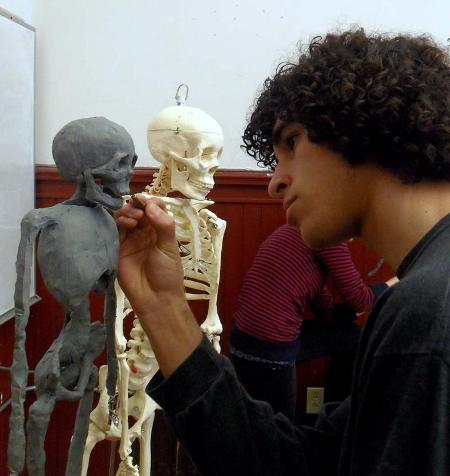
Community service is also critical. Colleges want to see at least 50 hours a year of volunteer work, and for some colleges, it is a major focal point. Students who stand out participate consistently in two or three different organizations, and hold a leadership role by junior or senior year. Community service superstars are those who see a need and start a program to fill a void. If you can relate your service to a passion (i.e. an artist who starts a painting program for at risk youth), all the better.
Leadership
Finally, colleges love leaders. They need them on campus to drive student government, clubs and school spirit. So, for those students who are willing to put themselves out there and run for class president, lead the Model UN or head the Drama Club, they will reap the benefits. What about a job? That’s also great. In fact, if you have to work to help support your family and you can’t participate in a lot of extra-curricular activities, colleges will not penalize you for it. You simply need to state that somewhere in your application.
What's the magic number?
In the end, how many activities and hours you need to have varies depending on the colleges you are applying to. However, colleges generally don’t want to see you spread too thin. They would rather see you deeply engaged in 4 or 5 activities, year after year, than see you jump from one thing to another. Commitment counts and hours count. Remember that when you fill out your college application, you will be asked how many weeks per year, and how many hours per week, you participated in each activity. Colleges want to know that when you matriculate, you will do more than go to class, eat in the dining hall and sleep in the dorm. They want to know that you will be an actively engaged member of the student body, AND that you are able to juggle multiple commitments and maintain good grades.
Cristiana Quinn, M.Ed. is the founder of College Admission Advisors, LLC, a private college admissions counseling company based in Providence, Rhode Island. www.collegeadvisorsonline.com