


Leonard Moorehead, the Urban Gardener: Asters Star
Leonard Moorehead, GoLocalProv Gardening Expert
Leonard Moorehead, the Urban Gardener: Asters Star
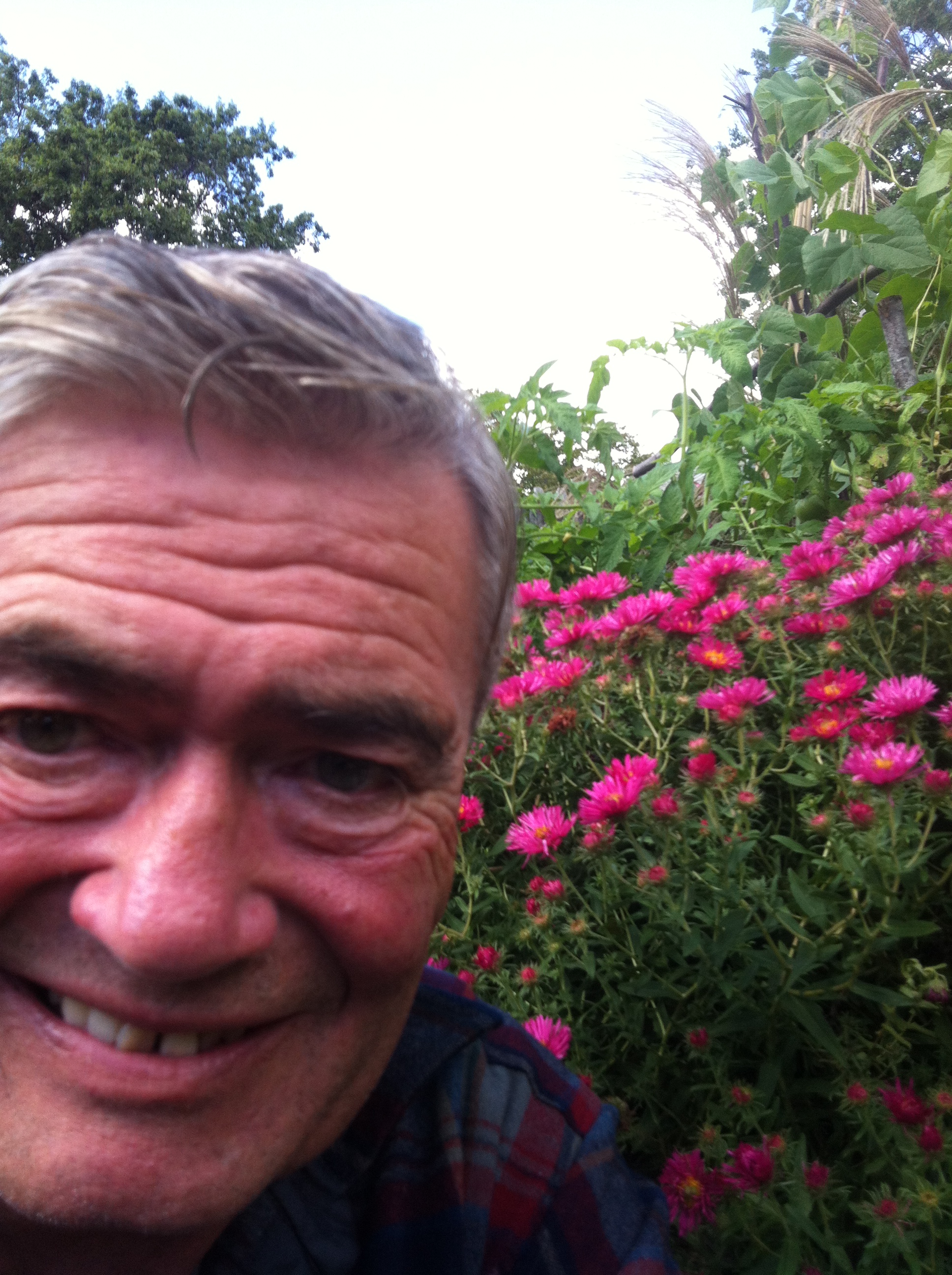
Asters are a large family, the perennial New England aster is ideal for gardeners. Virtually pest free and hardy in poor or infertile soils, this is a perennial to love. When others have wilted or gone to seed, the asters move into center stage. They ask only for sunlight and good drainage. Asters shrug off compost and fertilizers as extra but unnecessary gifts. Rather tame, asters form clumps easily lifted and divided during winter and into mid spring. Their sturdy stalks are needed to carry mobs of bloom. Inspired to cultivate asters?
Prepare ordinary sandy or gravelly soil, loosen and mix in modest amounts of compost, peat or loam. Bone meal is the panacea for strong root systems, add a handful to the spade deep bed. Lift and divide from established clumps, most gardeners are happy to share bounty. No need to carefully separate individual stalks, small clumps will do. Give them a little space from neighbors, asters gather strength for the fall display over a long growing season. Allow a location likely to be undisturbed by cultivation or taller, faster growing plants. Their sage green foliage is pleasing and responds well to grooming. Pinch back once or twice in late spring and early summer. Lateral side shoots will thicken the clump and offer additional bloom.
GET THE LATEST BREAKING NEWS HERE -- SIGN UP FOR GOLOCAL FREE DAILY EBLASTNew England asters grow 36-48 inches tall. They tend to be blousy. Urban gardeners are the most space conscious of all, gently gather the brittle stalks and bundle with jute twine. Their density will offer support, sometimes a short stake as mainstay is helpful. Mature aster clumps are often beyond an arm’s breath and must be gathered in manageable portions. Kneel on a folded burlap bag and wear long sleeve shirts for this technique and a hat. Move slowly if already in bloom, each aster is a magnet for benign bumblebees, and wrap with at least 2 or more twine wraps. A single bit of twine creates a stress point likely to break stalks, lend a hand and wrap twice for better wind resistance.
Expect a solid month of bloom. Mounds of purple color endure cooler fall temperatures. Long after the rest of the garden is covered in winter mulch, cut the spent stalks down to ground level. The fibrous stalks are slow to decompose in compost heaps. Snap the stalks or cut into pieces for the bottom levels of the compost heap. Or simply dig a hole nearby and bury the stalks.
Purple is the dominant color in New England asters. However, pink and white varieties are as rewarding. Aster precede chrysanthemums by 10 days. Shorter, cool days are no obstacle to stunning fall bloom.
While in the garden, remove overgrown tomato plants, bring in green tomatoes for the table or to ripen with an apple in a paper bag. Bury the leaves and stalks and plant next year’s tomatoes in another location to prevent soil depletion and dormant infectious spores. Glance over the garden and note where and what rewarded your efforts. Consider sun exposure, perhaps shrubbery or trees have grown taller? Or maybe some flowers or vegetables have become old hat and it’s time for a new interest. Autumn is the ideal time to prepare soil for the winter. Warm soil and active microbes relish plenty of organic materials and are ready to nourish t future crops.
A permanent mulch is many gardeners approach. Most organic materials laid down in thick layers during our long dry summer have imperceptibly merged with soil. Grass clippings have disappeared, hay vanished, seaweed no longer. Virtually any organic material will decompose over the cold weather. Trenches measured by spade depth are handy ways to add lots of organic material into the soil with a minimum of labor. Simply dig down, lay aside topsoil on a burlap bag or tarpaulin and begin to fill.
Cardboard is abundant and easily torn into smaller pieces. Place in the lowest level dug. Add enough soil to cover from view and repeat. The sponge like nature of cardboard hoards moisture for future use. Remove plastic tapes and beware of staples. Shredded paper in thin layers also absorbs water and micro-organisms ready to digest cellulose. Trench composting is versatile, start or finish as space and time allow. Top off with first soil removed, any elevation will disappear under the final winter mulch. Save much time and effort forming compost in situ.
It’s difficult to pass garden displays full of spring bulbs. We have another 6 weeks to plant daffodils and tulips. Mix daffodils and tulips and frustrate squirrels. Daffodils and other members of the Narcissi bulb family are unpalatable to squirrels. Daffodils are reliable under the most difficult conditions and last for many years. Tulips are prone to predators and tend to peter out. Both types are often revealed as we cultivate soil, simply separate those thick and clustered, replant. Although tulips winter over from year to year in my humus rich soil, I approach them as an annual. There are so many types and varieties to choose from only the most disinterested can ignore additional bulbs.
Pay attention to the so called “minor” spring bulbs. Crocus and grape hyacinths are best scattered upon the soil and planted in random. Both multiply and are far greater than the sum of their parts. Grape hyacinths are bright green along the margins and edges of my garden in preparation for next spring when they form a blue haze under apricot and pear trees. Store unplanted spring bulbs in the refrigerator’s vegetable bins. Save those overlooked while raking leaves. Force them into bloom in January or February for a taste of spring.
Many gardeners “turn over” the garden each Fall. This is a great work out, use a long handled shovel with a round spade. Simply dig out a trench across a plant bed, and repeat filling the first trench with the remnants of summer mulch and topsoil, bottom side up. This is a fine opportunity to incorporate additional organic materials to the soil.
You may lean upon the shovel handle and gab with friends. My father propped against his shovel shank and supervised his sons each fall for the great garden turn over. We were much more interested in the afternoon football game and understood much later in life this was time well spent. Be careful digging around the New England asters and remember to plant crocus around the main clumps. The crocus will bloom and flourish long before the asters tower above them.

20 Reasons Why Fall in New England is the Best Season - 2016

Grape Season at Newport Vineyards
Newport, RI
For wine lovers, this is one of the best times of the year because it's grape season.
There are many great Vineyards around New England but Newport Vineyards tops the list and fall is one of the best times to visit, even if you may need a sweater.
Enjoy the wine.

Wearing Comfy Sweaters while visiting the Mass Audubon Wildlife Sanctuary
Lincoln, MA
Listen to the sounds of birds chirping, see the rabits hopping around happily and so much more when you visit the Mass Audubon Wildlife Sanctuary.
You may need a little sweater but you will not regret the walk, or seeing the wildlife.

Fall Ferry Ride to Block Island
Block Island, RI
Start the fall off by sailing away on a ferry to Block Island for the day.
Enjoy the beach, outdoor dining, gift shops or just the views.

International Oktoberfest at Alex & Ani Center
Providence, RI
International Oktoberfest will take pace at the Alex & Ani Center in Providence on Saturday, September 24 and 25.
The festival will include seasonal beer, German cuisine and live music.
One of the main events of the fall season in all of New England.

Last Chances for Al Fresco Dining at Boat House Restaurant
Tiverton, RI
The views of Mount Hope Bay are unparalleled. Enjoy some wine with a snack or three while watching the sunset. The chef is known for a well-balanced menu of seasonal treats that uses locally sourced seafood in creative ways.
Celebrate the arrival of fall and sit outside at the Boat House Restaurant.

Leaf Peeping in The Berkshires
Berkshires, MA
Arguably the coolest thing about the fall season is the changing of the leaves. You will want to go up to the Berkshires and stroll through a park or just down a street and take note of all the colors, it's a must do fall activity.
How many colors can you see?

Start of Apple Picking Season at Pippen Orchards
Cranston, RI
There are not to many better fall family activities then to spend a day picking some apples.
Be sure to make the most out of the start of the fall season when you pick Pippin Orchards apples.
Then bring the apples home to make apple pie, apple sauce, or enjoy as they are.
Happy picking!


Bragging Rights on the Line in Final Tennis Matches
Still owe someone a rematch? or maybe just a match in general.
There is still plenty of great weather left to get the match in and the winner of the match takes home bragging rights which they hold for the entire winter.
Game on!

Fall Lineup of Beers
Whether it's Octoberfest from Sam Adams or a pumpkin beer from Harpoon or Newport Storm, it's time to get out to your local bar or store and pick up some of the great fall beers on tap or in stock.

The Deutsche Bank Championship at TPC Boston
Norton, MA
The best golfers in the world are all in Boston for the second leg of the FedEx Cup Playoffs this Labor Day Weekend.
Defending champion Rickie Fowler will look to repeat while superstars Rory McIlroy, Jordan Spieth and Jason Day look to take his title.

Last Golf Rounds of the Season at Harbor Lights
Warwick, Rhode Island
Golfers don't put away those clubs just yet. The summer may be nearly over but the fall offers some of the best golf weather of the entire season.
Take advantage of it at the beautiful Harbor Lights golf course in Warwick.

Learning at Plimoth Plantation
Plimoth, MA
The fall season is Plimoth Plantation's busiest time of year and it is a great time to bring the family.
Visit the Wampanoag Homesite, the 17th-Century English Village, Nye Barn, Craft Center, Plimoth Bread Company, Mayflower II, and the Plimoth Grist Mill!
A great way to learn and have fun at the same time.

Cozy Sweaters at Waterfire
Providence, Rhode Island
The evenings do get a bit cooler, however, they are still some of the best nights of the season and the fires are still burning bright in Providence.
Grab your nicest, coziest sweater and head down for an evening of fun, romance and much more.

Foxboro, MA
Every fall for the last 15-16 years, the New England Patriots have entered the season with a chance to win the Super Bowl, in a lot of cases, even favored to win it.
That's pretty cool and is a big reason why fall is the best season in New England.
Although, the first four games of this season may be tricky.

Take a Trip up Mount Mansfield
Stowe, Vermont
Visit Vermont and take a gondola up Mount Mansfield. Once you get to the top, look back at the spectacular view. There are not to many views llike it.
For travelers, be sure to bring a jacket.

Last Chance for Outdoor Dining at Caffe Expresso Trattoria
Worcester, MA
Caffe Espresso Trattoria has been open for over 20 years as a family owned and operated restaurant. Trattoria offfers authentic Italian home cooking.

Star of Pumpkin Picking at Jaswell's Farm
Rhode Island
Pumpkin picking is a timeless event for families, especially those with young kids who will love to just run around and grab whichever pumpkin looks good to them.
The fall season is all about pumpkins and pumpkin picking is one of the best fall activities going.
PHOTO: Flickr/Glenn Fleischman

Attend King Richard's Faire
Carver, Massachusetts
Dive into history at King Richard's Faire, New England's oldest and largest Renaissance Festival and most beloved annual fall event. Dress up, play games and learn alot at a faire that is a great fall event for the entire family.
The Faire starts on September 3 and goes until October 23

Visit Animals at the Zoo One Last Time
It's almost that time of year when the local Zoo's close up shop for the winter. Take the family to see the animals one last time.
The Zoo makes for a great fall day for the entire family.


