Leonard Moorehead, the Urban Gardener: Dreams Come True
Leonard Moorehead, GoLocalProv Gardening Expert
Leonard Moorehead, the Urban Gardener: Dreams Come True
The snow bound bamboo revealed a lilac. Lilacs are a tradition in my region. Brought to New England centuries ago, they thrive in ordinary well drained soil. When the bamboo grew tall and thick, the lilac became shaded out. Nothing absorbs sunlight like bamboo, the ground beneath them is free from any other growth. Lilacs will tolerate some shade at a price, they require full sunshine and good air circulation to bloom. Given plenty of sunshine their fragrant blooms dominate May gardens. Prone to unsightly fungal infestations that do not kill off the shrub, good air circulation inhibits shabby foliage in late summer. I pulled back the thick mulch in a much sunnier place and found no frost. Lilacs are shallow rooted, I dug around and under the shrub and moved it as snow began to fall in earnest. Some stems appeared loose, I pruned the roots into 3 good sized clumps and replanted at the same depth into humus rich soil.
Winter is a fine time to transplant shrubs. Thick mulches generally prevent frost from hardening my soil allowing digging at any time. I save this sort of heavy labor for cool weather in any case. There is just too much going on during warm weather. One highlight is fast approaching: I longed for an asparagus bed but never overcame the wait for 2 years hurtle. What a mistake! Do you relish asparagus and Hollandaise sauce? At last the chance came and I pulled all the stops.
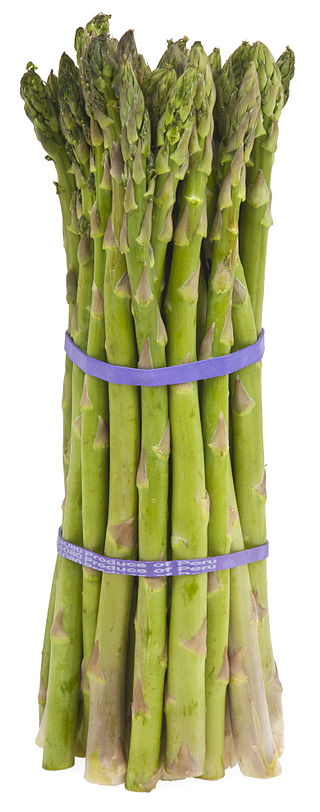
GET THE LATEST BREAKING NEWS HERE -- SIGN UP FOR GOLOCAL FREE DAILY EBLASTSelect a sunny spot suitable for a ferny six foot tall group of 12 plants. Asparagus are generally sold as 2 year old root stock and often recommended planted in deeply double dug soil. Actually, the double dug system guarantees lots of organic matter in the six to eight inches deep range, the preferred depth for asparagus roots. Since my soil is under constant thick mulch, the humus is thick and rich. Once in the ground, asparagus will return for many years. Mine developed robust stalks the first season and more so the second. I harvested the thick budding stems gently the second season and with abandon the third. Each year I cut back the brown stems, snip into pieces right on the spot and mulch heavily again. The plants offer a long harvest period, I noticed new stems emerge far into the summer after the spring harvest. Since an asparagus bed is nearly permanent, select a site off to one side. I use old picket fence sections to enclose the patch, mostly to prevent the tall plants from sprawling onto nearby beds. The red seeds are viable, I plant them among the mature root systems. The seedlings are ready to harvest in a couple years, repeat. A dream come true is a thick patch of asparagus. In its native habitat, the northwestern estuaries of Europe, asparagus tolerates salt. I sprinkle sea salt over the bed and have mighty harvests. If they have pests there hasn’t been any loss.
Take a moment, breath deep. Go out into the snowy garden and be still. Listen. Let the constant flow of thoughts slide by. Pay attention to the breath, inhale, and exhale. Sense the earth beneath our feet. Stand tall. Face the sun. Breath. Enjoy the clatter of bamboo stalks. Listen to birdsong, allow the city’s hum to retreat. Winter will lose to the sun. Face the sun and absorb the warmth. Another garden season is on its way, perhaps the lilacs will bloom for me this year. Hope fills the corners and empty spots. Dream of your perfect garden, it’s within reach.