


Organize + Energize: Organizing Your Memorabilia
Kristin MacRae, GoLocalProv Organizing Expert
Organize + Energize: Organizing Your Memorabilia
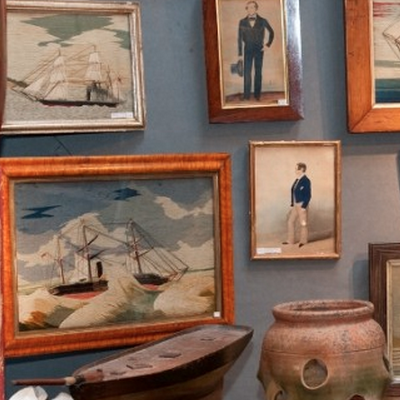
If you have paper piles in your home, I can guarantee there is memorabilia in there. If you have piles that turn into clutter, the important memorabilia gets stuck in with the items that really don’t mean that much. You’ll want to cherish your memorabilia. If it’s getting stuck with items you don’t care about, how much does it really mean to you?
When most people are decluttering and find memorabilia, they get stuck. You begin to reminisce and then 2 hours have gone by and you aren’t even close to finishing your organizing project.
GET THE LATEST BREAKING NEWS HERE -- SIGN UP FOR GOLOCAL FREE DAILY EBLASTWhen decluttering, you have to disconnect. If you are organizing a space and you find memorabilia, put it in a box and continue decluttering. There will be time later to reminisce. Continue on with the rest of your organizing projects in the house and keep adding to this box. If you are working through family memorabilia, create a box for each family member. Once your entire home is organized, then you can grab your box and focus just on memorabilia.
Here are 4 tips to organizing your memorabilia:
Categorize. This is optional, but you can categorize your memorabilia. You may have certain categories of memorabilia that you’ll maybe want to refer to at a later time. It will be easy to find if you have categories. Later in life, you may find that certain categories no longer have the meaning they once held and it will be easy to just get rid of that category.
To toss or keep. That is the biggest question. So many people get stuck here and never finish because they can’t make up their mind. Make the decision whether you want to keep it or not. What meaning does it hold for you? What meaning will it hold years from now? Will your kids want it when they’re older? Will you want it when you’re older?
Contain. Whether you put items in decorative boxes or bins, it’s your choice, but you must contain memorabilia. Designate a container for each family member. Every child should have one, regardless of what age they are. You are never too young or too old to have one. This will save you the headache years from now when you’re going through piles of it and have no idea who it belongs to. It will also be easy for kids to look at as they get older because they have their own bins and can make their own decisions of what to keep or toss.
Maintain. Memorabilia will arrive in the home and it will get placed in the memorabilia bin. If you want to enjoy it for a while and keep it displayed, that’s ok! When you are tired of looking at it and want to replace it with new memorabilia, be sure to place it in the designated bin.
Once your memorabilia is contained and you have a system to process it, you will never have to deal with the stress of finding it in random places in your home.

Organize + Energize: 2016 Year in Review

6 Productivity Habits My Parents Taught Me When I Was Young
When both parents are disorganized at home, most of the time, their kids are following in their footsteps. The organizational skill set never gets passed down to the kids. If the kids see that it’s ok for mom and dad to live in disorganized spaces, then they believe it’s ok for them too! If you feel you can’t transfer that skill set to your kids, it may be time to call in a professional to help them with the process. You’ll be amazed at how much the kids love the process! I was fortunate to grow up with 2 parents that were organized, efficient and productive. Here are some of the habits they taught me.

6 Reasons You Need to Declutter
Most of my clients think I’m going to come over and tell them that they have to throw out all of their stuff. This is not true. My goal is to get you to become more efficient and productive. If there are things in your home that are no longer useful to you, we have a discussion about them before we get rid of anything. That being said, you have to declutter if you want to move forward. Here are 6 reasons you need to declutter.

Is Your Cluttered Bedroom Killing Your Mood?
How’s the ambiance in your bedroom these days? Clutter in the bedroom is a definite mood killer. You want your bedroom to be a place of serenity, relaxation, and a place to just unwind. Get the paper piles, piles of clothes, toys, bins, and other clutter out of the room and watch the magic happen. Interested? Read how clutter is killing your mood.

Are Your Magazines Collecting Dust?
If you have magazines that are collecting dust, it’s time to throw them out. You may be surprised at how old they are! Again, magazines collecting dust in the bedroom aren’t good for the chi in the room or any other room in the home. Here are some tips on how to control the magazines that enter your home.
PHOTO: Lifehacks.org

Are Your Kids Following Your Lead and Becoming Disorganized?
I love to see kids thrive in an organized home and as discussed in the first slide, it can be difficult to do that if the adults in the home are living in chaos. Watch how you take care of your spaces and see if you’re kids are picking up on your habits. Are your kids picking up on your disorganized habits?

5 Organizing Mistakes You Don’t Want to Make
There are certain things you want to get right during the organizing process. It doesn’t have to be perfect, but there is some planning involved before you get organized. Here are 5 organizing mistakes you don’t want to make.

5 Things to do After You've Organized Your Office
You’ve organized your office, now what? It takes work to maintain it. Six months down the road, you don’t want to end up working in disorganized chaos again, right? Put the work in and you’ll find you’re saving time, money, and you’ll be more efficient and productive. Here are 5 things to do after you’ve organized your office.


