


Urban Gardener: March Lions Prowl
Leonard Moorehead, GoLocalProv Gardening Expert
Urban Gardener: March Lions Prowl
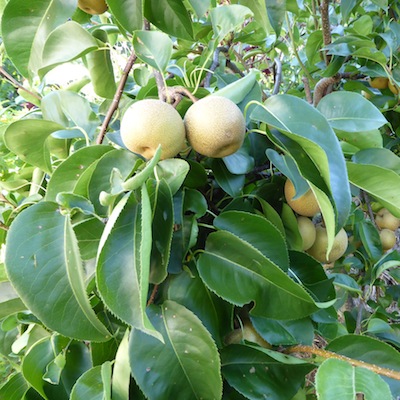
A modest and humble fruit
Cold crisp winds, the full moon in Virgo, and I actually walk the garden with a long envelope and a big felt tip pen: that cousin to knowledge and understanding, the list. “A new Honsui Dwarf Pear” for certain and then I agree with myself and write in “2”. An early lesson in astrology compounds the fact that my sun sign is also in Virgo, I grin at the homage to the stars and the ritual writing. Yes, I’m tethering my dreams to a moment and planting more Asian pears. They are modest, humble fruits of divine flavor and full mouth chewing goodness.
The horticultural world has such extraordinary horizons. The miracle of life pulses within every garden. Color, scent, form, are my dictates, fragrance a demand. Urban gardeners may confront every gardener’s dilemma , the year to year transitory nature of many neighborhoods. Happily, community gardens are ever more popular and accessible to many interesting and friendly people. I’m grateful that 5 or 6 years before anyone’s memory an anonymous gardener had planted a peach tree, an apricot, and a pear tree in the community garden. No one really owned them, they were planted too close to old chain link fence or hard against a decrepit picket fence mostly hidden by morning glories for much of the season and of course, right on the edge of the sidewalk. They didn’t care, they simple offered beautiful flowers in the spring and sometimes produced crops without any care at all.
GET THE LATEST BREAKING NEWS HERE -- SIGN UP FOR GOLOCAL FREE DAILY EBLASTPruning and care
I mulched them and piled compost around their trunks and admired lovely blooms, enough to justify the minimal effort of pruning off congested limbs. I ate my first apricots in decades from a single branch of a small tree bent down with fruit and somehow preserved from the squirrels, the arch foe of urban gardeners. None of these fruit trees require much space and grow well against sunny walls, can be shaped to conform within odd irregular space and endure. Trees offer a glimpse over time’s horizon. To plant a tree that will reward months or years away is confidence manifest.
Dwarf Asian pears are a prime example of a diminutive tree that packs a punch. These hardy pears are a short six feet tall and about 6 feet in diameter. Their tough bark is much like the beeches and just as appealing. This pear gave 24 large pears its first year! The second season a double sized crop. The pear is attractive year round as habitat for birds and a constant visual delight. Plant for the long term my friends. If you don’t and insist upon the spring rash of lettuces, radishes, and mesclun, you’re overlooking an essential dimension of every garden, time.
Time as a full moon tussles the sun for the sky is fluid. We are within its grasp and from this grip we cultivate the moment and plan for the future. I’m daily grateful for careful soil preparation: lots of compost, a generous couple pounds of bone meal, lime, and green sand were carefully dug and mixed. The saplings looking ever so much like broomstick sized sticks. I heeled in the soil and stepped back to admire my handiwork, returned, adjusted the sapling’s posture and took a moment. Contemplation is prominent in the garden. Never underrate these moments of mindful planting.
Was I taken in by some hideous malevolent website? No, friends. The golden calf thrives in the late winter garden. I staked the pears a few months latter as a freak tropical storm whipped through the neighborhood. Pairs of wooden stakes driven deeply into the soil and taut lines with a cloth collar will contribute to the tree’s preferred posture. Fruit trees offer many opportunities to groom and shape. Have some fun, it’s your garden and the living organisms are only too willing to participate in garden frolics. At three years old the fruit trees no longer need support. Their vertical growth adds proportion to the garden. Ever a refuge for birds and dreamers, fruit trees in the urban garden are worthwhile and deserving. They are robust.
Now is a great time to spray the fruit trees with an organic oil based copper emulsion to control fungus and scab diseases symptomatic much latter in the spring and capable of fruit loss and cosmetic damage. Just as our hearts go out to sick friends and loved ones, fungus and insect pests can be cured with care and action. Treatment is to spray once a week from dormancy up to the bloom. Mix your own oil spray for pennies on the gallon and monitor the garden for infestation. Go ahead and smother over wintering fungus and eggs cases with this treatment.
A season of hope and renewal
They are also testaments to hope and faith in the future. This is the elemental truth of the gardener. March lions growl, blood red talons flex in the frost. Sunshine will banish this cold hearted creature. Sunlight will open the land. Persephone returns. Asparagus, crocus, daffodils, tulips, snowdrops, chives, introduce the new season. The garden’s hibernation is over. A full moon in Virgo is a thoughtful sign, the equinox is right around the corner. It is written in the stars and felt in the ground. Let’s check out seeds and plants, join community gardens, make new friends and have fun growing your garden. I bet you’re hooked already. And if you hesitate to plant something that might take more than a few weeks, I understand and urge you to go ahead, plant something that takes a little time, a little more time than it will take to determine a career, raise a child, hold someone’s hand through thick and thin, make the electric bills and rent. It’s worth it. It might actually be your turn.
Spring Has Arrived: 25 Great Events in New England

New England Family Fun Festival
Providence, RI - April 26-27, 2014
In April, the Rhode Island Convention Center will host The New England Family Fun Festival, which offers fun and educational activities for the entire family. The festivities will include rides, games, bounce houses, face painting, rock climbing, live performances by The Toe Jam Puppet Band, Vanessa Trien, Story Tellers Len Cabral, Carolyn Martino, Tammy Titus and Valerie Tutson, Marine Biology and Aquarium by Biomes, Arts & Workshops and the Providence Friar’s Official DJ, Finesse playing music during family competitions like Lego building and Simon Says. Festivities will take place from 11 a.m. - 8 p.m.
Admission: $12 for adults, $7 for kids
For more information, click here.

118th Boston Marathon
Boston, MA - April 21, 2014
The Boston Marathon is the world’s oldest annual marathon and one of the world’s best-known road racing events with over 20,000 participants. Amateur and professional runners flock to Boston from all over the world to compete on the hilly terrain. The race starts west of the city in Hopkinton and ends in Boston. Approximately 500,000 spectators line the 26.2-mile course each year, making the Boston Marathon New England’s most widely viewed sporting event.
For more information, click here.

Virtu Art Festival
Westerly, RI - May 24-25
More than 185 selected artists from New England and beyond participate in this free two-day exhibit and sale of artwork and fine crafts. Featuring food, live entertainment and free children’s activities. This event, which will be held at Wilcox Park, will take place rain or shine.
For more information, click here.

Knights! Community Day Renaissance Faire
Worcester, MA - March 28-30, 2014
Later this month, the Worcester Art Museum will celebrate the opening of Knights!, a major arms and armor exhibition. The festivities include music; costumed performers; theater; storytelling; and art making workshops. On Saturday, come dressed as your favorite historical figure: knights, pirates, princesses, and more. On Sunday, the museum will celebrate fantasy. Dress as an inspired super hero and enjoy all the fairies, wizards, and other colorful characters wandering around the galleries. Each day will have great food and beverages for sale.
For more information, click here.

Pond Skimming at Sugarbush
Lincoln Peak, VT - March 29, 2014
An excellent spectator event, the "Annual Rite of Spring at Sugarbush" is oldest continually running pond skimming event in the country. Dive right into spring in your craziest costume. Registration from 9am-11am in the Gate House Cafeteria. Limited to the first 100 competitors.
For more information, click here.

The Annual Bud Light Reggae Fest
Carrabassett Valley, ME - April 10-13, 2014
Held at the Sugarloaf Mountain Resort, this annual spring party draws thousands of spring skiing and reggae enthusiasts to the mountains of Maine. Jam out to sensational reggae tunes. The biggest winter music event in Maine mixes with perfect spring skiing.
For more information, click here.

Gaspee Days Celebration
Warwick, RI - June 13-15
In June of 1772 brave colonists from Rhode Island burned the British revenue schooner, HMS Gaspee, in what has become recognized as the first overt action leading to the American Revolutionary War. Since 1965, the village of Pawtuxet has commemorated this act with its annual Gaspee Days Celebration. The event features colonial fife and drum corps, Civil War era units, modern day drum and bugle corps, and more.
For more information, click here.

Wildquack Duck River Festival
Jackson, NH - May 25, 2014
Held at Jackson Village Park, this outdoor action-packed day in the White Mountains of New Hampshire brings singles, families, strangers, businesses and guests all together to forget about life’s trials and tribulations if only for a few short hours. Laugh out loud as 3,500 yellow rubber ducks make their way downstream to the finish line.
For more information, click here.

The Atlantic Cup
Newport, RI - May 24-25, 2014
Pack a picnic and come down to Fort Adams for the Atlantic Cup's Inshore Series. Teams will race in Narragansett Bay in the third and final leg of America's only Class 40 sailing race. With an up close view of the start and finish line, live commentary and fun activities for all ages, you won't want to miss any of the action.
For more information, click here.

1st Annual 4B Festival
New Haven, CT - March 22, 2014
From craft brews to bacon, bourbons to barbecue; come enjoy the finest flavors from around the region to tantalize your taste buds and tickle your senses. The 4B Festival will bring together national and local purveyors all in one place to offer the most delicious and creative samplings to “4B” aficionados, all highlighted with musical performances, interactive art displays and live competitions among home brewers, BBQ taste tests and a bacon eating contest for the real meat eaters. If you wish to purchase tickets, act quickly because only limited quantities are left.
For more information, click here.

Great Chowder Cook-off
Newport, RI - June 7, 2014
Sponsored by Polar Seltzer, the Newport's Great Chowder Cook-off is the largest and longest running (over 30 years), chowder festival in New England. Located right in the buzz of historic downtown Newport, this event features national and regional competitors. Festival-goers will taste-test a myriad of traditional and exotic chowders from all kitchens, then vote for the best in three categories: Clam, Seafood and Creative.
For more information, click here.

Worcester VegFest
Worcester, MA - April 6, 2014
Now in its fifth year, the Worcester VegFest is a FREE festival that brings together Worcesterites to celebrate vegetarianism animal-friendly, environmentally sustainable, and healthy lifestyle. The event features socially responsible businesses, national inspiring speakers, free samples of tasty vegan food, and a vegan food court.
For more information, click here.

Misquamicut Springfest
Westerly, Rhode Island - May 9-11, 2014
Held at Misquamicut State Beach, SpringFest will include beer, blues, BBQ and rock & roll tent with entertainment throughout the week, a Ferris wheel and major rides, a petting zoo, pony rides and more. New this year: arts & crafts displays featuring local vendors. The event also includes fireworks on Friday night.
For more information, click here.

Nantucket Wine Festival
Nantucket Island, MA - May 14-18, 2014
What better reason to visit one of America’s most famous vacation islands? Come enjoy this boutique experience of world class wines and award winning food. Over the past 17 years, the Nantucket Wine Festival has become one of the most celebrated wine and food events in the country. You must be 21 or older to purchase tickets to events that include wine or spirits. Valid ID required for entry. The Opening Reception, Harbor Gala, La Fête and Grand Tastings are the heart and soul of the five day experience.
For more information, click here.

Art in the City Gala
Worcester, MA - May 9, 2014
Join the Family Health Center of Worcester on May 9 for an evening of art and entertainment featuring a great selection of original artwork created by dozens of local artists. The evening includes live music by the Kallin Johnson Trio with a cameo performance by Dale LePage, a live auction hosted by local celebrity Jen Carter from WXLO, a wide selection of gourmet hors d'oeuvres and much more. Whether you are new to the arts, an avid collector, or just out for a night of fun, don’t miss this celebration of the arts.
For more information, click here.

Sea Music Festival at Mystic Seaport
Mystic, Connecticut - June 12-15, 2014
In June, Mystic Seaport will host its annual Sea Music Festival, one of the world’s premier sea music events. Thousands of people gather each year to hear Mystic Seaport’s Chantey Staff along with performers from around the globe carry on the classic musical traditions of the Golden Age of Sail. Enjoy featured music from maritime cultures around the world, including the United Kingdom, Italy, Portugal, Australia, Iceland, Poland, Netherlands, France, Canada and Africa, as well as native peoples within the United States.
For more information, click here.

Annual Vermont Maple Festival
St. Albans, VT - April 25-27, 2014
This festival celebrates the state of Vermont’s signature product: pure Vermont maple. It offers maple exhibits, cooking demonstrations, sugarhouse tours and a maple buffet. Enjoy Main Street entertainment, pancake breakfasts, fiddlers’ and youth talent shows, a carnival, an historical museum, delightful downtown shops and a Grand Parade.
For more information, click here.

Antique Car Rally
Sturbridge, MA - June 1, 2014
In June, Old Sturbridge Village will host its annual Antique Car Rally. More than 50 pre-1946 automobiles will be showcased on the Common throughout the day and a grand procession of the autos will take place at 3:30 p.m.
For more information, click here.

Down East Spring Birding Festival
Cobscook Bay Area, ME - May 23-26, 2014
The Annual Down East Spring Birding Festival provides a unique experience in “the real Maine” where birders can get out on their own and observe a great variety of birds in diverse natural environments. The festival offers birders various self-guided explorations as well as guided hikes, boat tours, and presentations led by area experts. Over 400 bird species have been sighted in Maine, and almost three-quarters of them have been seen in the Cobscook Bay area.
For more information, click here.

Boston Jazz Week 2014
Boston, MA - April 21 - 30, 2014
Jazz Week is a collaborative, decentralized celebration of the music by the entire Greater Boston jazz community. This year’s event is being held one week earlier than usual – launching on Boston Marathon Day (also Patriot’s Day holiday). Once again Jazz Week will cover a 10-day period, ending on another special day – International Jazz Day, Wednesday, April 30.
For more information, click here.

Boothbay Annual Fisherman’s Festival
Boothbay Harbor, ME - April 25-27, 2014
Trap hauling, cod fish relay, old-fashioned fish fry, Miss Shrimp Princess Pageant, lobster crate race and other contests are all a part of this celebration of fishing in this beautiful mid-coast Maine town. Boothbay Harbor, in mid-coast Maine, boasts the largest fleet of excursion boats on the coast for viewing lighthouses, seals, islands, whales and puffins.
For more information, click here.

Brew Woo
Worcester, MA - April 19, 2014
On Saturday, April 19, The Ranch will present Worcesters Original Craft Beer Festival, Brew Woo. Now in its fourth year, the event will feature two sessions from 1:00pm to 4:00pm and 6:00pm to 9:00pm in the Convention Center of the DCU Center. The event will feature breweries with craft beers and local brews, live music, and several vendors.
Admission: $35.00; $30.00 in advance
For more information, click here.

Meriden Daffodil Festival
Meriden, CT - April 26-27, 2014
Outdoor family festival with more than 600,000 daffodils on display (61 different varieties) in the 1,800-acre historic Hubbard Park. Events include parade, juried crafts show, three stages of entertainment, fireworks, amusement area and food tent.
For more information, click here.

Annual Cape Cod Maritime Festival
Cape Cod, MA - May 19 – June 21, 2014
The month-long event will include a variety of Cape-wide maritime-themed activities, including guided kayak excursions, lighthouse and walking tours, nautical art exhibits, the Annual Cape Cod Maritime History Symposium at the Cape Cod Museum of Natural History, the Wellfleet Harborfest and Nautical Flea Market and more. Maritime Days will culminate with the Annual Cape Cod Quahog Day on the Cape Cod Canal on June 21st.
For more information, click here.

Newport Craft Beer Festival
Newport, RI - April 26
The 3rd annual Newport Craft Beer Festival will be held at the Great Friends Meeting House Lawn. Every brewery in Rhode Island will be in attendance as well as many from New England and all over the US. The event will also feature a home brewing demonstration, live music and food from local restaurants.
For more information, click here.


