


Urban Gardener: Presto, it’s Pesto!
Leonard Moorehead, GoLocalProv Gardening Expert
Urban Gardener: Presto, it’s Pesto!
Long sunny summer days encourage rampant growth. Tomatoes are now reaching for the sky above their stakes and trellises. If you haven’t tried heirloom tomatoes, hesitate no longer. The qualities that pushed them aside from commercial agriculture are irrelevant to the urban gardener. The ability to delay ripening, to endure long transport from distant or foreign places or a snappy conventional appearance is not our consideration. Rather, we have the home plate advantage. We prefer taste and nutrition over cosmetic definitions of color or recognition. Our diverse heritages clamor for dishes best prepared at little cost and modest effort. No money can buy the inner satisfaction of growing your own. With foresight and simple techniques we can grow the delicious to preserve into the cold winter months.
GET THE LATEST BREAKING NEWS HERE -- SIGN UP FOR GOLOCAL FREE DAILY EBLAST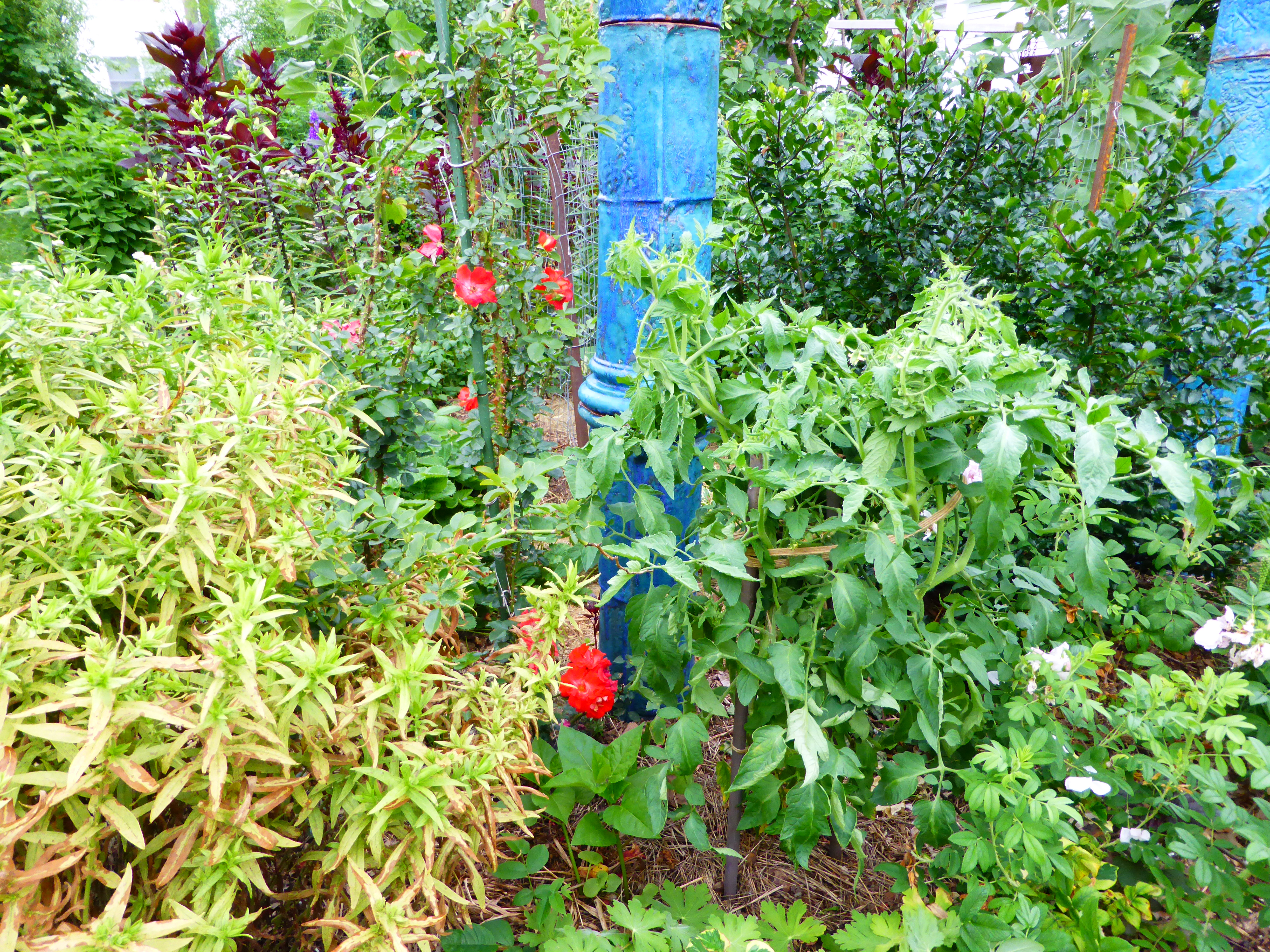
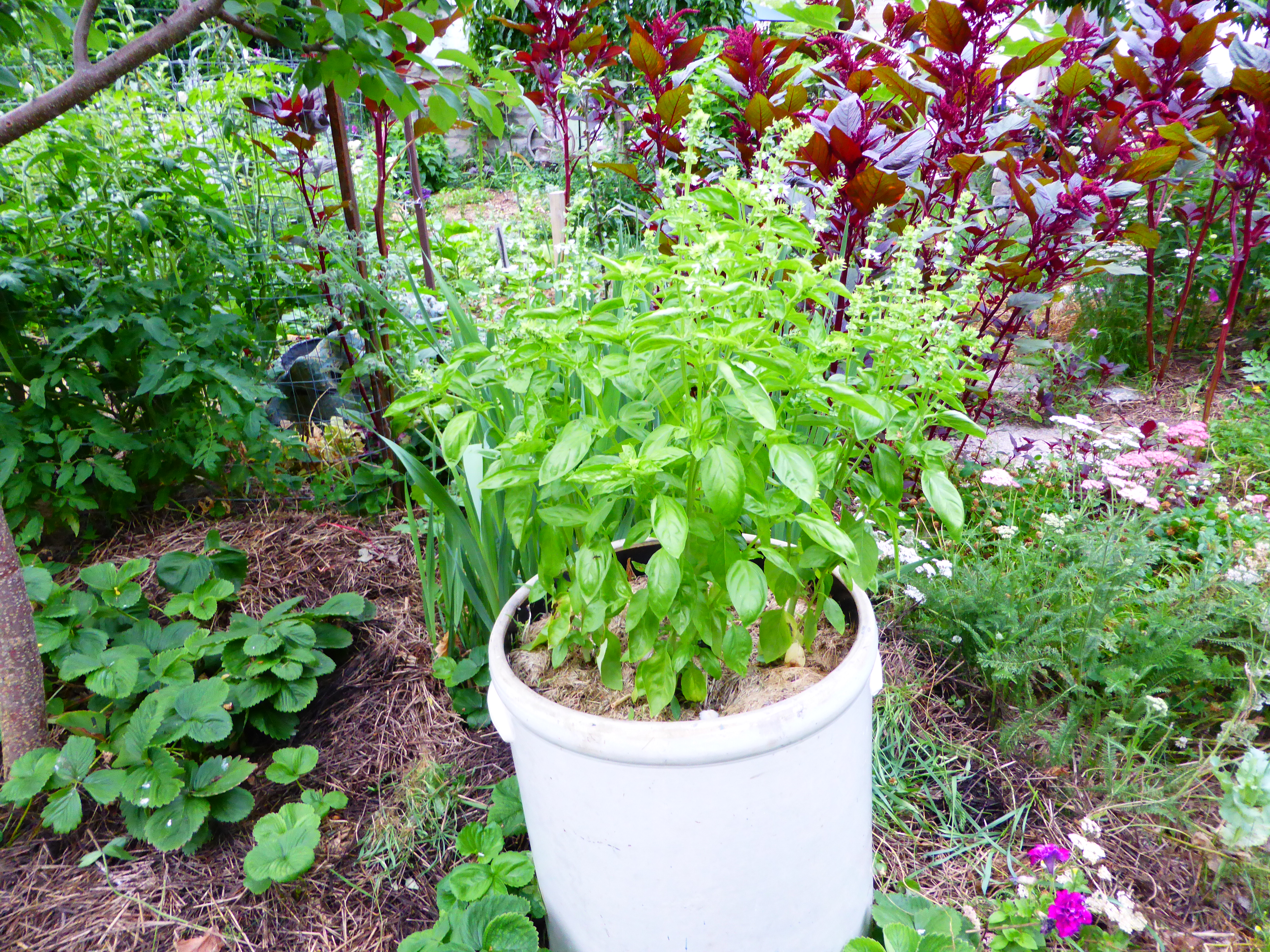
Tomatoes are delectable right off the plant, warm from the summer sun. It’s a bit early yet to enjoy this pleasure, however, it’s far from too early to cultivate plants to accompany tomatoes in the kitchen. The natural compliments to tomatoes are parsley and basil. These fragrant and nutritious herbs readily grow in the home garden, often the best place is closest to the kitchen door. Intensely green and instantly recognizable scent identifies basil and parsley to everyone. Introduce children to these herbs for a lifetime of enjoyment. Teach your friends and children how to grow a bountiful supply in very small spaces.
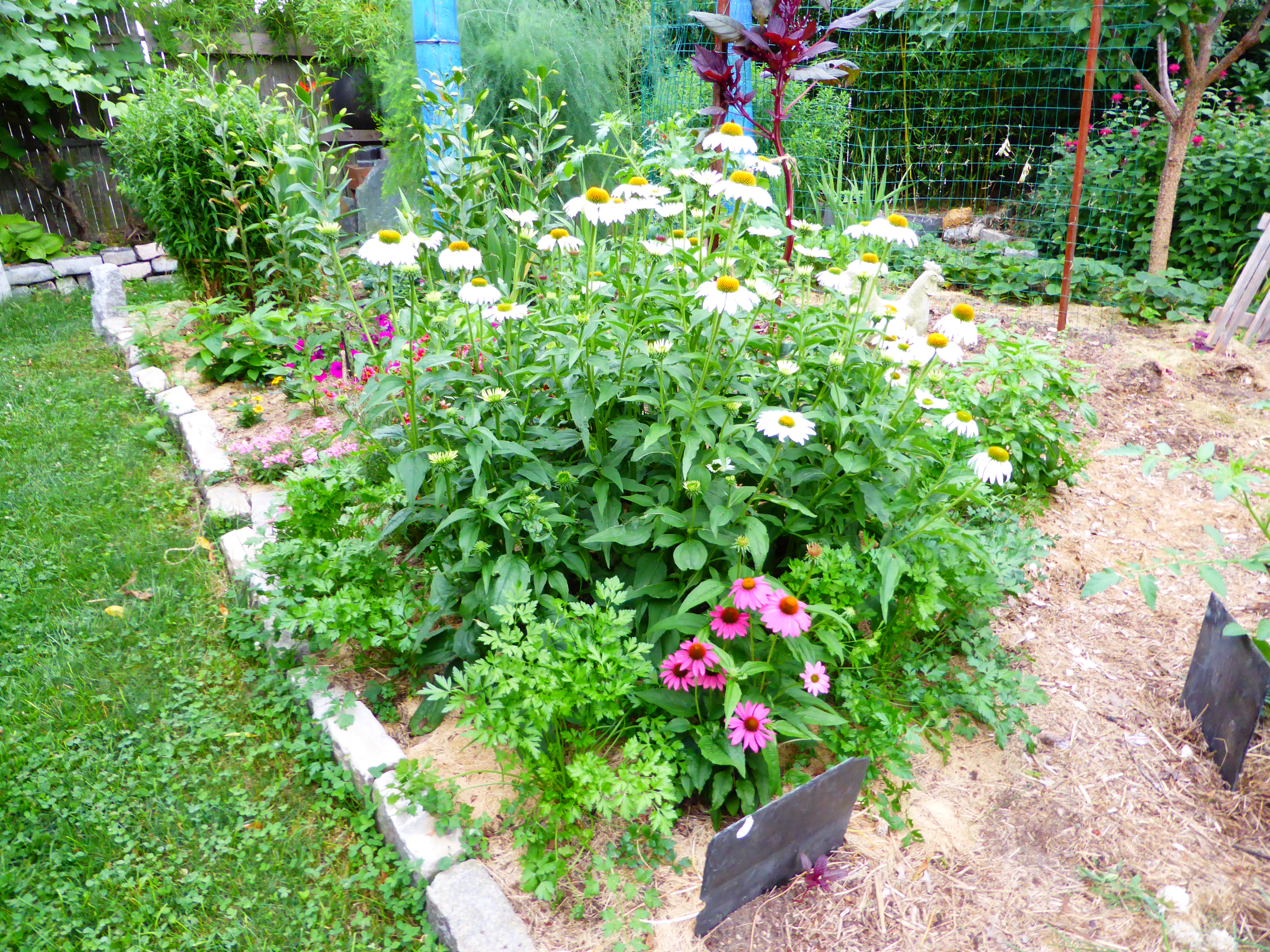
Plant parsley in the margins of gardens for distinctive borders. Gardeners favor plants with few pests: parsley fits the bill. Time constraints? Parsley is better planted annually although it will transform in its second year as a flower stalk rises from the plant’s crown. It’s edible in every part. Few borders are more arresting than those of curly leaved parsley. The curly leaf, in my opinion, tasty and zestful, is an intense dark green. Both types of parsley are short. Mulch as you do every plant and harvest the sturdy stemmed plants from the outside in. Considerate harvests encourage growth. I like to chew on parsley after plucking a sprig on my lean in to the deeper regions of raised beds. Vitamin packed, this herb is not so commonplace as one would assume.
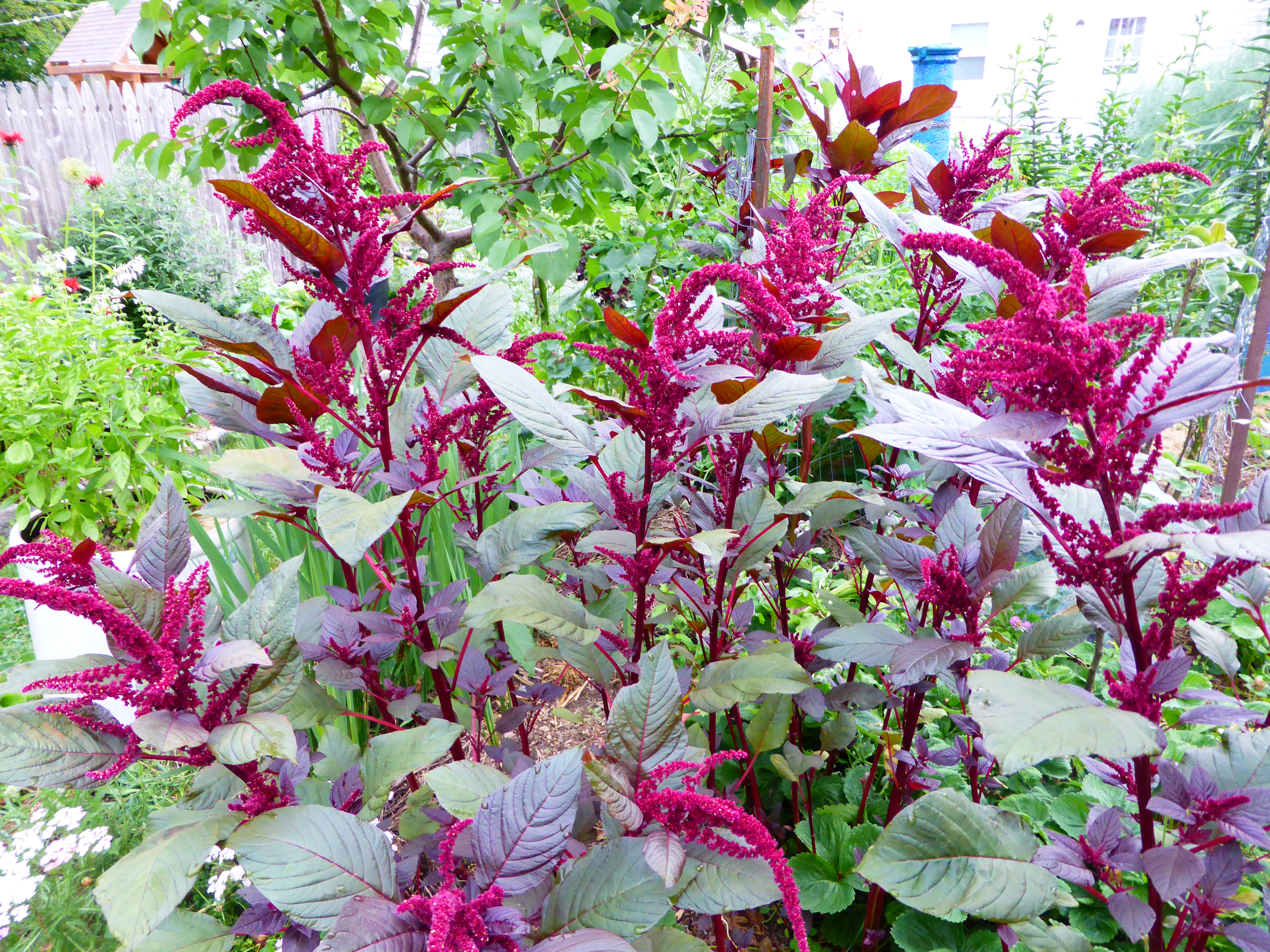
Pesto is divine. Inspired cooks in Italy compounded parsley, basil, and olive oil to preserve the green herbs. Olive oil not only absorbs the flavor and nutrients of these herbs but also gives them a long shelf life. Be creative, many families have traditional variations on this theme, some add rosemary to the olive oil mixture, others aged cheeses, or sometimes, garlic. All are welcome ingredients in a host of tasty dishes. Pesto is a low calorie. A small amount packs lots of taste. Cooks employ their best judgment to secure signature taste in every dish. Experiment and you too will be mixing batches of pesto. Happiness is to discover pesto brings the summer garden to others wrapped as the perfect thoughtful gift.
Hot summers in the city drive urban gardeners to beaches and mountains. Our stay at home gardens miss us yet remain vibrant growth driven places. Tomatoes climb. Basil glistens in full sunshine. Parsley punctuates the bright green borders. Each staple has a permanent place in our kitchen gardens. Easy to grow from seed, don’t give up, their seeds have long germination periods. Or for a little money, buy selective varieties from local growers and zone in on the less familiar. After all, variety is the spice of life. No pleasure surpasses the joys of the home kitchen, full of heady aroma, a welcome table, family and friends. It is a joy to be an urban gardener. Presto, it’s pesto. Grow parsley and basil and make your own. Give it away to share. Cook with them and feed the body, the spirit, and one another. “Another helping please”.
Leonard Moorehead is a life-long gardener. He practices organic-bio/dynamic gardening techniques in a side lot surrounded by city neighborhoods in Providence RI. His adventures in composting, wood chips, manure, seaweed, hay and enormous amounts of leaves are minor distractions to the joy of cultivating the soil with flowers, herbs, vegetables, berries, and dwarf fruit trees.
25 Must Do's in RI this Summer

WaterFire
WaterPlace Park in downtown Providence.
Wood-burning fires blaze in 80 braziers above the center of three rivers that intersect in the downtown as eerie instrumental music pervades the air. Also, fire dancers, Arts Festival Plaza on Washington Street, The Phantom Boatman, and living gargoyles and the oracles at the World War I Monument in Memorial Park. Fires always are started exactly at sunset and burn until midnight.


Providence River and Harbor Tours
Sundays, Wednesdays, Thursdays, Fridays, Saturdays
Enjoy the Renaissance City from a whole new perspective! Climb aboard and enjoy a unique water tour of the Providence River, Waterplace Park, Riverwalk and the Providence Harbor. Relax while you admire the diverse architecture and rich history of our capital city as Captain Tom highlights historical landmarks and nautical points of interest.

Free Live Music on Federal Hill
Every Wednesday night at DePasquelle Square in Providence’s Little Italy.

Gallery Night Providence
On the third Thursday of the month, from March through November, twenty-seven of the city's hot "art spots" open their doors inviting you to a visual arts party.

RISD Art Museum
Free admission every third Thursday between 5-9pm, and on Sundays from 10am-5pm
Over 91,000 objects ranging from ancient times to the present.

Museum of Natural History & Planetarium
Family friendly environment and admission is only $2.

Toe Jam at Blithewold Mansion, Gardens & Arboretum
Friday, July 25, 2014 at 11:00AM - 1:00PM
11:00 am - Noon: Concert
Picnics, crafts, and funAside from a day at the beach, Blithewold’s Family Fun Fridays are the ultimate family-friendly way to enjoy an early summer afternoon. Bring a picnic, a blanket to sit on, and enjoy the show! Each week, dance and sing along with the kids to a variety of educational and interactive musical performances.

Roger Williams Park, Botanical Center
Take a tour or guide yourself around the beautiful sites that Roger Williams Park has to offer with your family or friends!

Colonial Newport Walking Tour
Mondays, Wednesdays and Fridays
Hear stories of remarkable entrepreneurship and religious diversity during Newport’s colonial period. Tours leave from the Brick Market Museum & Shop and are weather dependent. Space is limited. Newport History Tours is a partnership between the Newport Restoration Foundation and Newport Historical Society.

Providence Athenaeum
The Providence Athenaeum is an independent, member-supported library that is open to the public year-round. The library was founded in 1836 and has served as a book lender and cultural center ever since. Rich in resources, the Athenaeum has welcomed many illustrious visitors over the years, including Edgar Allan Poe and Sarah Helen Whitman (whose romance played out in the library itself), HP Lovecraft, and Henry Wadsworth Longfellow. The Athenaeum is open to the public and free to visit.

Practice Basic Mindfulness Meditation
Shambhala Meditation Center of Providence
Recurring weekly on Sundays and Wednesdays
Practice basic Mindfulness Meditation (instruction available) with others who are learning to work with their minds to help create more space and less stress in their lives. All are welcome.

Kid Think
"We rely on families in our community to participate in our research. All of our projects are designed like games and involve lots of one-on-one interaction with our staff, so children find them fun and enjoyable. For example, we might play pretending games or read silly stories. By seeing how children react to our games or by asking them what they think, we learn what the world looks like through a child's eyes."

Painting Elements of the Landscape Class with Jerry Aissis
Slater Park
June 4, 2014 - July 9, 2014
Wednesdays from 10 a.m. - 12:30 p.m.
Admission: Members $95, Non-members $120
This class will emphasize painting rocks, trees, water and buildings that can be used to create a landscape. Emphasis will be in mixing colors directly on the paper, learning to use controlled washes and creating textures that simulate actual objects used to paint a landscape. This six week class will have students using photos of their own to learn the basics of watercolor and how to push it to more than just copying the photo

Celebrate the 1904 St Louis World's Fair at Hearthside in Lincoln
Sunday, July 13, 2014
On July 13th Hearthside is proud to celebrate an important event in our nation's history-the 1904 World's Fair held in St. Louis. In a tribute to this grand Fair, Hearthside will sponsor a special exhibition and festival providing visitors with an understanding of the "Greatest World's Fair ever" and all that it entailed.

Rustic Drive-In
Open since 1951. Three screens playing two first run feature films each starting at dusk. We open for the summer months from late April through late September.

Newport Summer Comedy Series
Highlights include Mike Birbiglia, Amy Schumer, and Billy Cosby

Washington County Fair
August 13 - 17, 2014
A great New England tradition for the past 48 years! The Fair is Rhode Island's largest agricultural event.


Newport Jazz Festival
August 1, 2, and 3
60th Anniversary
In celebration of the 60th anniversary of the world-renowned Newport Jazz Festival® (August 1-3, 2014), clarinetist/saxophonist Anat Cohen, vocalist/pianist Karrin Allyson, bassists Larry Grenadier and Ben Allison*, pianist Peter Martin, guitarist Mark Whitfield, trumpeter Randy Brecker, and drummer Clarence Penn embark on the 17-city "Newport Jazz Festival®: Now 60" Tour, February 8 - March 30, 2014, with more dates during June, July and August in North America and Europe.

Newport Folk Festival
July 25-27
Folk music has been a presence in Newport since 1959.

Blessing of the Fleet
July 26 2014
The Blessing of the Fleet itself is a spectacularly colorful event that takes place in Galilee. On a good day, hundreds of vessels line up to parade past thousands of spectators.


South County Hot Air Balloon Festival
The place to enjoy glowing hot air balloons, crafts, music, food, fishing, carnival rides, fireworks, and more.

Spring Lake Arcade
52 Old Hillside Drive, Glendale, Rhode Island
Oldest Penny Arcade in America. Patrons will rediscover games they played in their childhood. The arcade is a blend of old and new. Approximately half the floor space of the arcade is dedicated to games from every decade starting in 1920. Most of these games are on their original coinage.


