


How “Pat’s Pastured” - One of RI’s Most Successful Farms - Pivoted During Coronavirus
GoLocal LIVE
How “Pat’s Pastured” - One of RI’s Most Successful Farms - Pivoted During Coronavirus

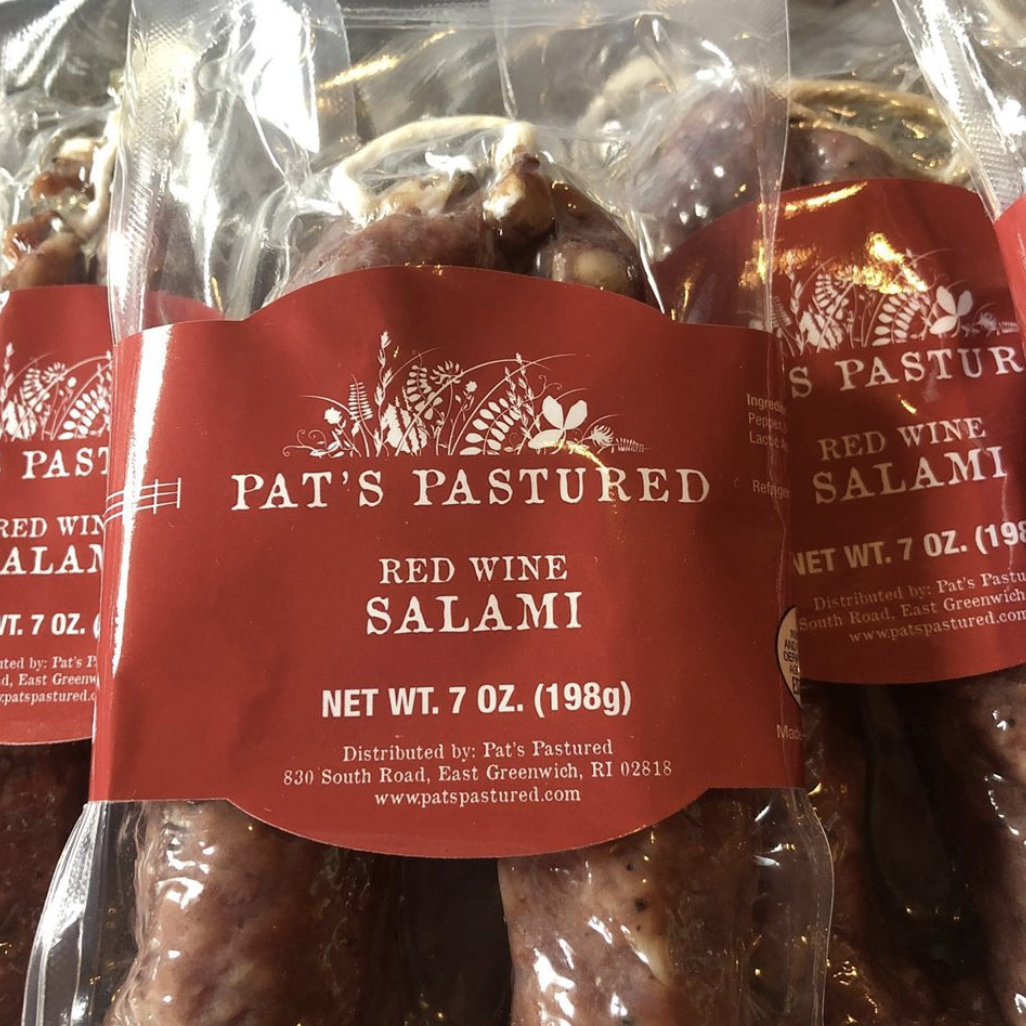
Pat’s Pastured, which is based in East Greenwich, has land in East Greenwich, Exeter, and North Kingstown — and focuses on producing grass-fed beef, pastured pork, chicken, turkey, eggs, and more.
GET THE LATEST BREAKING NEWS HERE -- SIGN UP FOR GOLOCAL FREE DAILY EBLASTRead the Pat’s Pastured Story HERE
“It’s going as well as can be expected, considering,” said McNiff. “There’s been great support of local food, so that’s been really great being a farmer in Rhode Island, along with the other farmers in Rhode Island. So we’re doing as well as can be expected — and having to pivot a lot and change.”
McNiff talked about the uptick in-home delivery orders when businesses were temporarily closed.
STAY AHEAD: SIGN UP FOR GOLOCAL'S FREE DAILY EMAIL HERE
“We’ve been doing home delivery for about a year where we’re taking orders through a special website — we work with a company that allows us to do variable weigh pricing, which is really important when you sell meat,” said McNiff. “We deliver all around the state and Massachusetts as well.”
“When this all happened, we were like alright, we’re just going to ramp it up,” he said. “Our markets hadn’t decided if they were going to open yet, restaurants all closed and overnight we lost about 20 percent of our business, so we had to pivot quick.”
“We had a few farmer friends who are majority wholesale — restaurants — and we said would you like to sell to our platform too and we created a whole system that brought in other farmers until the wholesale market opened back up,” said McNiff.
McNiff cites both Ken Ayers at RI Department of Environmental Management's Division of Agriculture and the RI Food Policy Council as being critical to his company's success.
“We actually worked with Commerce RI through their tech support program to help us think through some of our tech issues, especially logistics,” said McNiff. “Our hardest challenge was we went from delivering 30 to 40 orders a week to over 200 orders a week. We definitely increased our farm size to meet that demand right away and we continue to do so.”
McNiff also talked about the food chain — and food supply — issues during the pandemic, and said he did see an increased interest from people looking to buy local.
“We did see a lot more people who were like, now I know where [my food] is coming from and I want to know the person and I want to know the farmers,” said McNiff.
This interview is part of an ongoing series between GoLocal and the RI Food Policy Council.