


87% of Rhode Islanders Are Breathing Unhealthy Air, Says New Report
GoLocalProv News Team
87% of Rhode Islanders Are Breathing Unhealthy Air, Says New Report
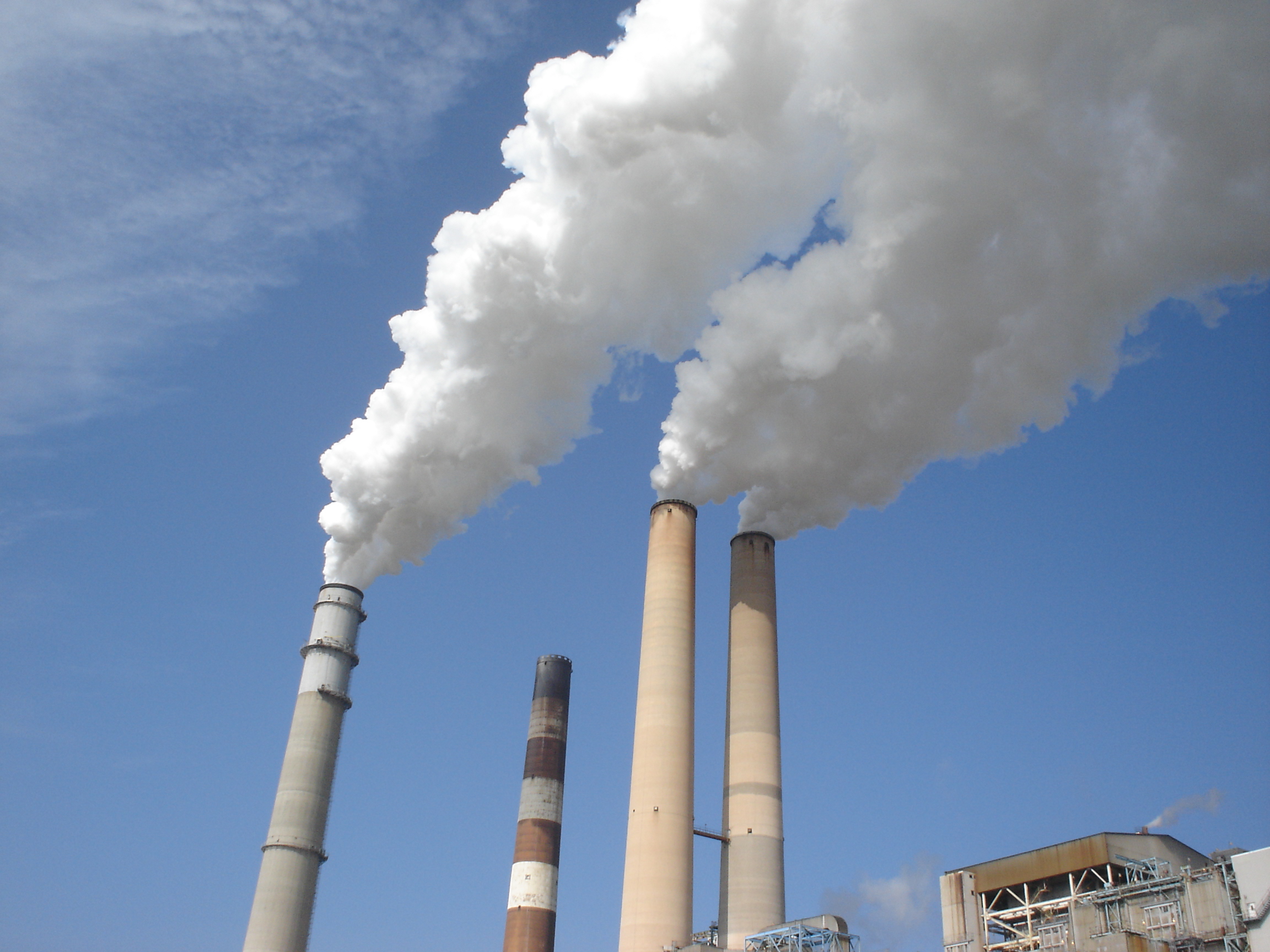
The American Lung Association’s 2019 “State of the Air” report found all three reporting counties in Rhode Island received failing grades for ozone pollution this year, and all three also reported an increase of year-round particle pollution. The annual air quality “report card” tracks Americans’ exposure to unhealthful levels of ozone or particle pollution, both of which can be deadly.
“Rhode Island residents should be aware that we’re breathing unhealthy air, driven by emissions from power plants and extreme heat as a result of climate change, placing our health and lives at risk,” said Jennifer Wall, Director of Advocacy for the American Lung Association in Rhode Island. “In addition to challenges here throughout Rhode Island, the 20th-anniversary ‘State of the Air’ report highlights that more than 4 in 10 Americans are living with unhealthy air, and we’re heading in the wrong direction when it comes to protecting public health.”
GET THE LATEST BREAKING NEWS HERE -- SIGN UP FOR GOLOCAL FREE DAILY EBLASTEach year the “State of the Air” provides a report card on the two most widespread outdoor air pollutants, ozone pollution, also known as smog, and particle pollution, also called soot. The report analyzes particle pollution in two ways: through average annual particle pollution levels and short-term spikes in particle pollution. Both ozone and particle pollution are dangerous to public health and can increase the risk of premature death and other serious health effects such as lung cancer, asthma attacks, cardiovascular damage, and developmental and reproductive harm.
Ozone Pollution: Compared to the 2018 report, the counties of Kent and Providence recorded more bad air days for ozone, causing their 2018 D grades to drop to Fs. Washington County maintained a failing grade, but also experienced more bad ozone days that recorded in the previous report. All together, the three counties recorded a total of 41 bad “orange” and “red” ozone days from 2015-2017, compared to 29 from 2014-2016.
“Rhode Island has over 18,000 kids with pediatric asthma, over 91,000 adults with asthma, and over 55,000 adults with COPD. Ozone can be harmful to anyone, but these populations as especially at risk, often driving them to the doctor’s office, the hospital or the emergency room,” said Wall.
Debra Keating-Cole, a Providence resident with asthma and COPD, said, “Bad air days force me to stay inside, and can even keep me from walking my dog. I used to love sitting on the porch, but now if I step outside on the wrong day the humidity and pollution hits me like a ton of bricks.”
Particle Pollution: The 2019 report also found year-round particle pollution levels higher than the 2018 report in all three counties, which goes against the national trend showing progress reducing year-round levels of particle pollution. Providence measured a significant increase, from 7.6 µg/m3 in the 2018 report to 9.1 µg/m3 in this year’s report.
“Particle pollution is made of soot or tiny particles that come from coal-fired power plants, diesel emissions, wildfires and wood-burning devices. These particles are so small that they can lodge deep in the lungs and trigger asthma attacks, heart attacks and strokes, and can even be lethal,” said Wall. “It’s concerning that our local year-round particle pollution levels have increased – and it is likely due to regional and local weather patterns as well as some weather events caused by climate change”
“State of the Air” 2019 also tracked short-term spikes in particle pollution, as these can be extremely dangerous and even lethal. The report found that Providence did have one fewer days when short-term particle pollution reached unhealthy levels, but it was not a significant enough difference to improve its 2018 B grade, according to the report.
This year’s report covers the most recent quality-assured data available collected by states, cities, counties, tribes and federal agencies in 2015-2017. Notably, those three years were the hottest recorded in global history.