


RI School Districts With Highest Chronic Teacher Absenteeism
GoLocalProv News Team
RI School Districts With Highest Chronic Teacher Absenteeism

Data for the last school year tracked (2021-2022) shows that among public districts and charters, chronic teacher absenteeism — defined as teachers missing 10% of days or more — ranged from 1% of teachers to 32%.
SLIDES: See the Districts and Charters With Highest Teacher Absenteeism BELOW
Four schools alone in Pawtucket averaged chronic teacher absenteeism rates higher than 40%, according to the Rhode Island Department of Education (RIDE) report card.
GET THE LATEST BREAKING NEWS HERE -- SIGN UP FOR GOLOCAL FREE DAILY EBLAST“Good teacher and student attendance is essential for moving our school communities forward in the wake of the pandemic. Rhode Island is one of few states that includes teacher attendance data in our accountability reporting which ensures that stakeholders including families have access to vital information that may impact their educational experience,” said RIDE spokesperson Victor Morente in a statement to GoLocal. “That said, as we work to create more welcoming, inclusive, and supportive environments for students, we also understand that improving conditions benefits educators and can help ensure they report to school every day ready and excited to work with students and their colleagues.”
“Through a variety of funding sources and in concert with a portfolio of partners, RIDE is advancing a coherent statewide agenda of supports, resources, and trainings related to meeting school climate, social-emotional, and behavioral or mental health needs,” he added. “These efforts can also have a positive impact on teacher retention and attendance.”
Pawtucket had four of the top five schools for chronic teacher absenteeism in the 2021-2022 school year, with Goff Middle School at 47.7%; Shea High School at 45.8%; Slater Middle School at 41%, and Tolman High School at 40.3%
Representatives from Pawtucket did not respond to request for comment on leading the state for chronic teacher absenteeism.
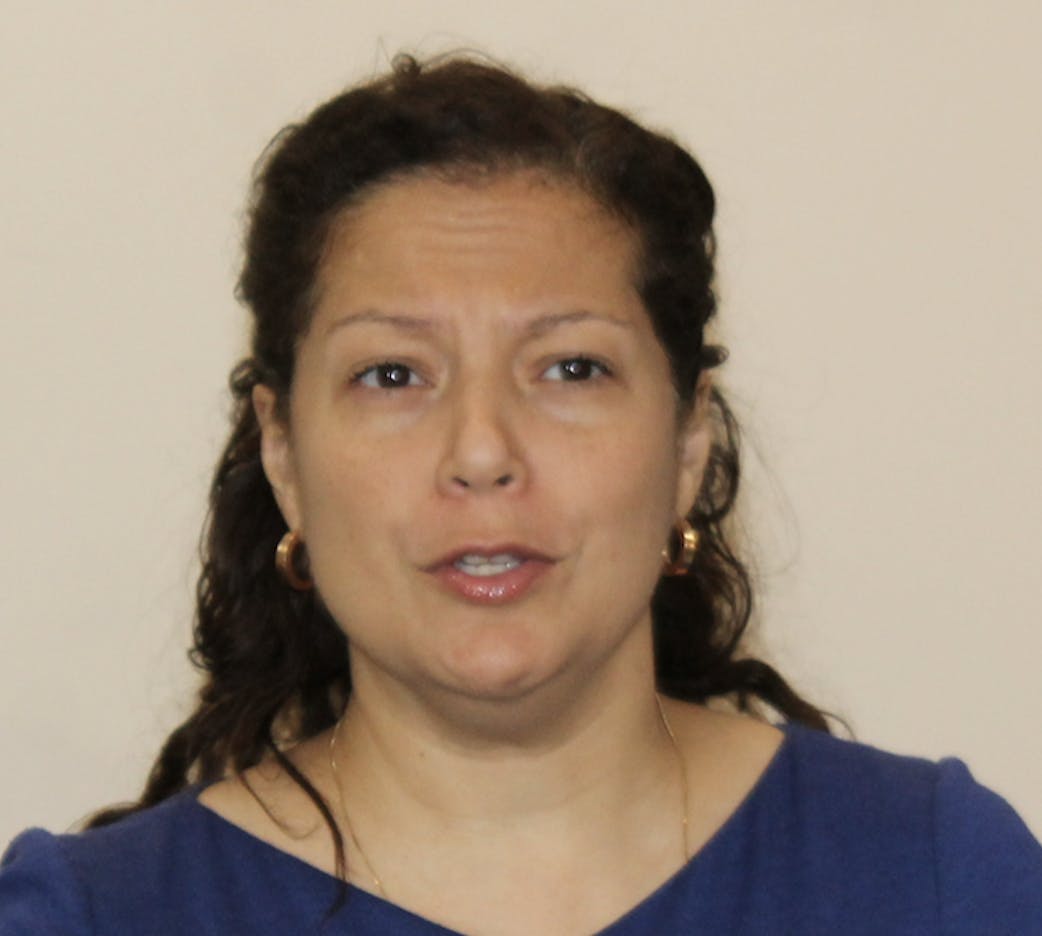
Providence Teachers Union President Maribeth Calabro said that the district had made a concerted effort to address chronic teacher absenteeism.
For the most recent school year, more than a dozen school districts — urban and suburban — had more teachers chronically absent than Providence,
“We have teachers who are absent due to illness, both short and long term, maternity and paternity leaves, OJI (on-the-job injury) and workers' compensation. We do not pay into TDI so we use our sick leave,” said Calabro, of why teachers might be “chronically” absent.
“In the past five years, the district has implemented a process by which teachers who appear to be on track for exceeding the 10% receive letters and have meetings in HR,” said Calabro. "Vacancies and a decreased [substitute teacher] pool also contribute, as teachers cover classes daily or several days per week and then they are unable to plan, grade, etc. and become stressed and then need to take a day.”
RIDE spokesperson Morente said that the department has secured the following funds and provided the following resources to address chronic teacher absenteeism.
* Secured approximately $20 million in federal funds to expand and improve mental health initiatives and programming to benefit students and educators.
* Partnered with Yale University’s Center for Emotional Intelligence to offer statewide training to educators.
* Partnered with Pure Edge, Inc. (PEI), a private foundation that provides professional development to enhance social emotional learning in schools by providing educator self-care and culture of care trainings to educators, staff, and students. RIDE has offered nearly 75 pd sessions to more than 5,000 teachers statewide.
* Is implementing the Nathan Bruno Act which requires all school personnel — including teachers, administration, custodians, lunch personnel, substitutes, nurses, coaches, and coaching staff, even if volunteers — to be trained in suicide prevention and awareness.
* Has convened the Trauma Informed Commission which conduct a review and assessment of existing trauma-informed school and community-based resources and initiatives across the state; inform the development of a trauma-informed school implementation plan and supporting materials that will; and research, identify and catalogue state, federal and philanthropic sources that align with this work.
Rhode Island Teacher Absenteeism: 2021-2022 School Year

#48
1% of Jamestown teachers were chronically absent in the 2021-2022 school year.

#47
1.6% of Compass School teachers were chronically absent in the 2021-2022 school year.

#46
1.7% of RI Nurses Institute Middle College teachers were chronically absent in the 2021-2022 school year.

#45
1.8% of Foster-Glocester teachers were chronically absent in the 2021-2022 school year.

#44
1.9% of MET Career and Tech teachers were chronically absent in the 2021-2022 school year.

#43
2.6% of Barrington teachers were chronically absent in the 2021-2022 school year.

#41 (tie)
3.2% of Blackstone Valley Prep teachers were chronically absent in the 2021-2022 school year.

#41 (tie)
3.2% of The Hope Academy teachers were chronically absent in the 2021-2022 school year.

#40
3.3% of Glocester teachers were chronically absent in the 2021-2022 school year.

#39
3.4% of Narragansett teachers were chronically absent in the 2021-2022 school year.

#38
3.7% of Chariho teachers were chronically absent in the 2021-2022 school year.

#37
4% of Learning Community teachers were chronically absent in the 2021-2022 school year.

#36
4.5% of North Smithfield teachers were chronically absent in the 2021-2022 school year.

#35
5.6% of Middletown teachers were chronically absent in the 2021-2022 school year.

#34
6% of Achievement First teachers were chronically absent in the 2021-2022 school year.

#33
6.2% of Village Green Virtual teachers were chronically absent in the 2021-2022 school year.

#32
6.5% of Tiverton teachers were chronically absent in the 2021-2022 school year.

#31
6.8% of The Greene School teachers were chronically absent in the 2021-2022 school year.

#30
7.3% of Scituate teachers were chronically absent in the 2021-2022 school year.

#29
7.5% of Cumberland teachers were chronically absent in the 2021-2022 school year.

#28
7.7% of Cranston teachers were chronically absent in the 2021-2022 school year.

#27
9.2% of Beacon Charter School teachers were chronically absent in the 2021-2022 school year.

#26
9.8% of New Shoreham teachers were chronically absent in the 2021-2022 school year.

#25
10.8% of Portsmouth teachers were chronically absent in the 2021-2022 school year.

#24
11.1% of Coventry teachers were chronically absent in the 2021-2022 school year.

#23
11.2% of Woonsocket teachers were chronically absent in the 2021-2022 school year.

#22
11.4% of International Charter teachers were chronically absent in the 2021-2022 school year.

#21
12% of North Providence teachers were chronically absent in the 2021-2022 school year.

#20
12.1% of Exeter-West Greenwich teachers were chronically absent in the 2021-2022 school year.

#19
12.3% of Paul Cuffee teachers were chronically absent in the 2021-2022 school year.

#18
12.4% of Highlander teachers were chronically absent in the 2021-2022 school year.

#17
12.6% of Burrillville teachers were chronically absent in the 2021-2022 school year.

#16
13.2% of East Greenwich teachers were chronically absent in the 2021-2022 school year.

#15
13.3% of Westerly teachers were chronically absent in the 2021-2022 school year.

#14
15.3% of Providence teachers were chronically absent in the 2021-2022 school year.

#13
15.9% of Bristol-Warren teachers were chronically absent in the 2021-2022 school year.

#11 (tie)
16.2% of Newport teachers were chronically absent in the 2021-2022 school year.

#11 (tie)
16.2% of Foster teachers were chronically absent in the 2021-2022 school year.

#10
17.4% of Johnston teachers were chronically absent in the 2021-2022 school year.

#9
17.5% of Little Compton teachers were chronically absent in the 2021-2022 school year.

#8
18.3% of Davies Career and Tech teachers were chronically absent in the 2021-2022 school year.

#7
18.9% of East Providence teachers were chronically absent in the 2021-2022 school year.

#6
19.2% of West Warwick teachers were chronically absent in the 2021-2022 school year.

#5
20.3% of Warwick teachers were chronically absent in the 2021-2022 school year.

#4
22.3% of South Kingstown teachers were chronically absent in the 2021-2022 school year.

#3
22.6% of Smithfield teachers were chronically absent in the 2021-2022 school year.

#2
28.3% of Central Falls teachers were chronically absent in the 2021-2022 school year.

#1
32% of Pawtucket teachers were chronically absent in the 2021-2022 school year.


