


UPDATED: FDA Gives Approval to Biogen’s Alzheimer’s Drug Aducanumab Which Has Deep RI Roots
GoLocalProv News Team
UPDATED: FDA Gives Approval to Biogen’s Alzheimer’s Drug Aducanumab Which Has Deep RI Roots
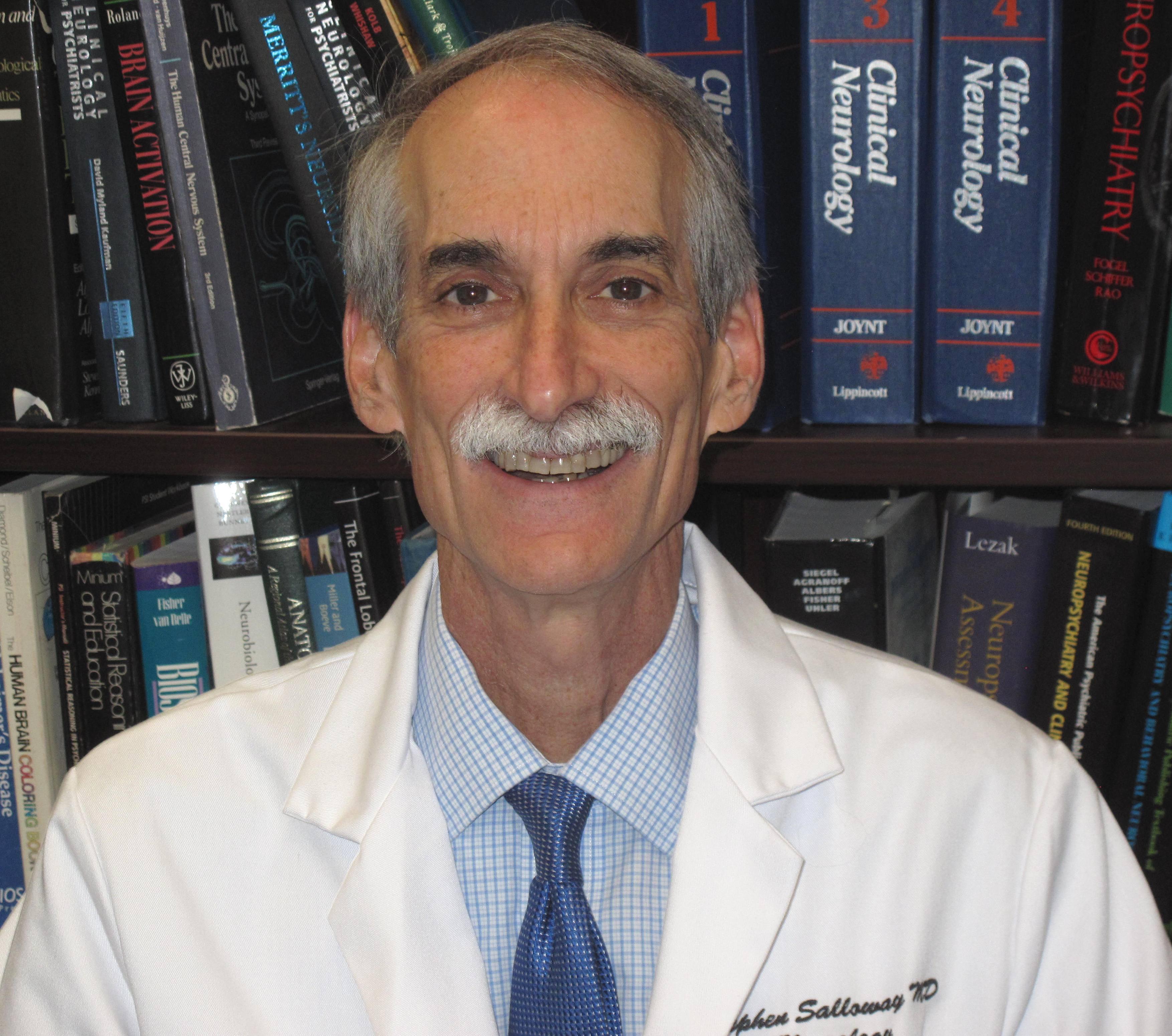
One of the lead researchers on the drug is Brown University’s Dr. Stephen Salloway.
"Its sale [of the drug] offers hope to millions of people dealing with Alzheimer’s and their caregivers, given the lack of good options for treatment. Yet the impact of the drug, which has the molecular name aducanumab, may be limited. Doctors who say they will prescribe the drug caution it won’t help all patients, particularly those with more advanced disease. Some patients eligible for treatment may face $10,000 or more in annual out-of-pocket costs, health insurer Cigna Corp. estimates," reports the Wall Street Journal.
GET THE LATEST BREAKING NEWS HERE -- SIGN UP FOR GOLOCAL FREE DAILY EBLAST“It had some encouraging results which we published in 2016. It was covered around the world because it looked really good — many people were very interested, we had 60 patients with early Alzheimer’s on this medicine over at Butler Hospital in our memory and aging program, and from our point of view, they seem to be doing well, so we were encouraged,” said Salloway in an appearance on GoLocal LIVE in 2019.
"Then all of a sudden in March, I got an email that the drug looked like it didn't meet an outcome analysis — an interim analysis — and Biogen was going to stop testing it. We were blown away, how could that be, it was looking good and our patients were really devastated. They had to come off the drug. Some had been on [it] for years and actually doing well," said Salloway.
Alzheimer's is the sixth-leading cause of death in America.
In the United States, an estimated 5.8 million Americans have been diagnosed with Alzheimer’s disease. Statisticians predict that in the next 30 years, 13.8 million people may be living with Alzheimer’s if researchers aren’t able to prevent or find a cure for the disease.
But a number of top researchers argue that the Biogen drug should not be approved.
“I simply don’t see a path for approval because of the absence of evidence that’s been shared to date that this product works, and I think it would set a remarkably dangerous precedent — not only for the field of Alzheimer’s research but also for the broader regulation of prescription drugs in our country,” said Dr. G. Caleb Alexander, an F.D.A. advisory committee member and an internist, epidemiologist and drug safety and effectiveness expert at the Johns Hopkins Bloomberg School of Public Health to the New York Times
Monday’s much anticipated FDA decision on Biogen’s drug, if approved, would be the first approval of a new Alzheimer’s medication since 2003 and the first treatment on the market that attacks the disease process rather than just easing symptoms.
Salloway Leading Multiple Efforts
In April, GoLocal reported Brown University is establishing a new Center for Alzheimer’s Disease Research with the aim of building a world-class research program focused on early detection and treatment of Alzheimer's disease and related dementias.
The center will integrate the expertise of scientists and physicians at Brown’s Robert J. and Nancy D. Carney Institute for Brain Science and the Division of Biology and Medicine, home to the Warren Alpert Medical School. Its launch is made possible by gifts of $25 million and $5 million from donors who wish to remain anonymous.
University leaders say the center will build on Brown’s existing strengths in Alzheimer’s disease research, which range from the study of risk genes, cognition and the biology of aging to development of new therapeutics and care of patients with dementia. By linking together scientific and clinical work across these areas, the center will create a uniquely interconnected program with the goal of breakthroughs that change the trajectory of Alzheimer’s disease and related dementias.
Brown President Christina H. Paxson said that with devastating consequences of Alzheimer’s disease and dementia impacting more families every year, the University will bring the full force of its scholars’ medical and brain science expertise to expedite progress toward new treatments. With faculty research fueled by federal funding, Brown ranks among the top 20 universities in the nation for research on the disease.
“This is truly a transformative moment for Alzheimer’s disease and dementia research at Brown,” Paxson said. “We have a robust foundation in place, and by bringing aboard new scholars, investing in facilities and creating the infrastructure to connect the incredible work already happening in our labs and clinical settings, our goal is to accelerate development toward novel treatments and cures in the fight against this devastating disorder.”
“I would like to see Brown help to open the modern era of treatment for Alzheimer’s disease, where patients can receive an early and accurate diagnosis and start on treatments that preserve memory and quality of life,” Salloway said. “We are also entering a time where older people can safely learn about their risk for Alzheimer’s and take steps to keep their brain healthy — this center can help them do that, and the fluid biomarker facility will be an essential tool in enabling our success.”