


UPDATED: RI Will Join FTC in Lawsuit to Block Proposed Lifespan-Care New England Merger
GoLocalProv News Team and Reynaldo Almonte for Latino Public Radio
UPDATED: RI Will Join FTC in Lawsuit to Block Proposed Lifespan-Care New England Merger
Facebook video courtesy of Reynaldo Almonte for Latino Public Radio
GET THE LATEST BREAKING NEWS HERE -- SIGN UP FOR GOLOCAL FREE DAILY EBLAST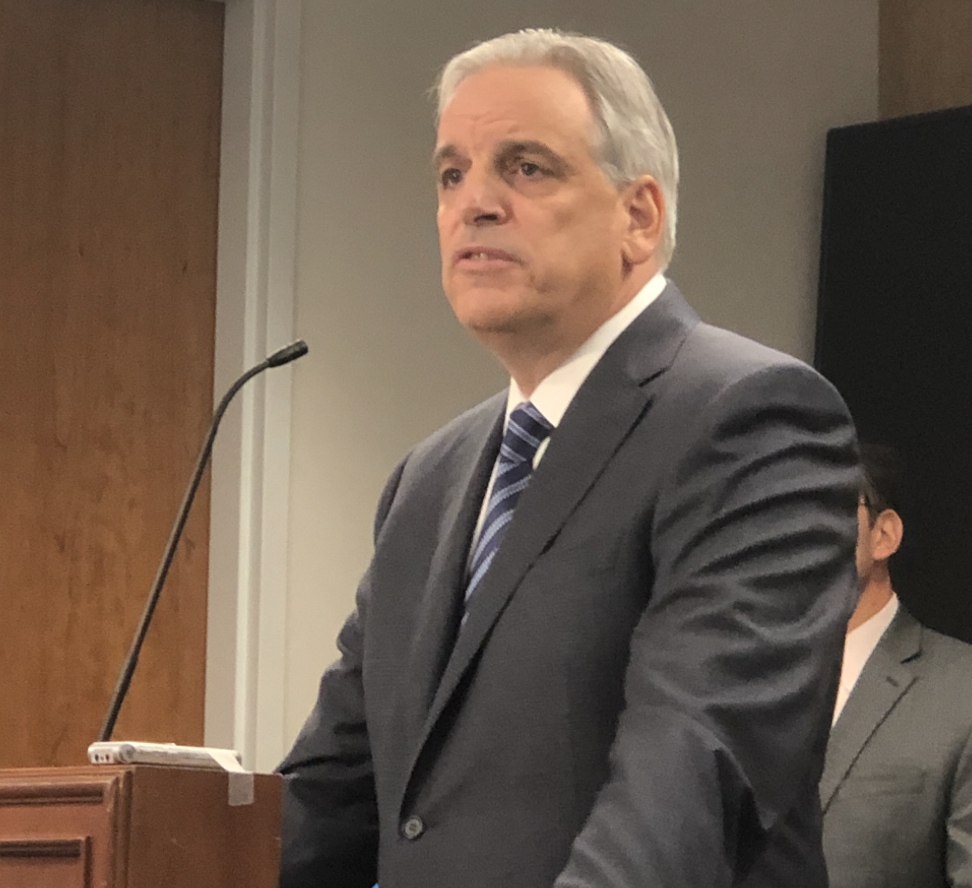
“I recognize how critical healthcare is for the State and for every Rhode Islander. The COVID-19 pandemic has only further underscored the vital importance of affordable access to high-quality care for all. Put simply, if this extraordinary and unprecedented level of control and consolidation were allowed to go forward, nearly all Rhode Islanders would see their healthcare costs go up, for health care that is lower in quality and harder to access,” said Neronha.
“Our review clearly established that Lifespan and CNE compete aggressively with each other across many inpatient and outpatient service lines. Eliminating this competition will have the same effects here as seen across the country following mergers of this size: rising healthcare costs, lower quality, and reduced access. The Parties simply have not demonstrated why these results would not happen here and how they would be able to deliver on promised benefits that would outweigh these risks," he added.
Competition in the healthcare market benefits both consumers and workers – leading to lower prices and higher quality care; driving innovation; and leading to increased pay and better conditions for workers. State and Federal antitrust laws are designed to protect that competition, according to Neronha.
If allowed to come together, this new hospital system would control an unprecedented amount of healthcare in Rhode Island, taking the state’s healthcare market from one in which there is healthy competition to a virtual monopoly, said Neronha.
As described in the decision, the new system would -- far in excess of anti-trust laws:
Control 75% of all inpatient acute care hospital beds in Rhode Island
Control 80% of the Rhode Island market for inpatient hospital care
Control 79% of the Rhode Island market for inpatient psychiatric care
Control 60% or more of the Rhode Island market for many outpatient surgery specialties
Account for 50% of commercial healthcare spending on patients whose primary care physician is part of the merged system’s Accountable Care Organizations
Employ 67% of Rhode Island’s full-time registered nurses working at a hospital
Latest in Mega-Merger Developments
As GoLocal reported last fall, the merger between the two largest hospital groups in Rhode Island faced a growing list of challenges.
A top healthcare merger expert had told GoLocal that the challenges werre both financial and regulatory and could only be overcome by the state of Rhode Island creating an entirely new regulatory agency.
Brent McDonald, an “attorney and senior investment banker at Juniper Advisory in Chicago, said, “They need to be able to pass FTC [Federal Trade Commission] review or the state needs to create a COPA.”
In January, Rhode Island State Senator Susan Sosnowski cautioned about the impact of such a merger:
"How would a merger of Lifespan and Care New England affect Rhode Island’s health care system and workers? I have serious concerns.
The two largest health systems in the state want to merge into one even larger health care system that would control 80% of the hospital market, including seven of the nine not-for-profit hospitals in the state. Not only would the new entity control hospital care, it would largely control the physician market as well.
Lifespan and CNE talk about improved quality, reduced cost, and improved access. However, the growing body of evidence suggests that more caution and scrutiny towards the claims of Lifespan and CNE are warranted. Typically after such transactions, costs go up, quality erodes, patient satisfaction is neutral or worse, and increasingly wages are suppressed."
Updated at 12 noon.