


Brown University’s Biggest Medical Success Is Turning Into a Nightmare
GoLocalProv News Team
Brown University’s Biggest Medical Success Is Turning Into a Nightmare
The drug, Aduhelm -- developed by Biogen -- was supposed to be a “breakthrough” that could transform the treatment of Alzheimer’s disease — the sixth leading cause of death in America.
Biogen's stock soared like a rocket to $468 a share when the drug cleared federal approval. The drug was expected to generate billions in new revenue.
GET THE LATEST BREAKING NEWS HERE -- SIGN UP FOR GOLOCAL FREE DAILY EBLASTIn the United States, an estimated 5.8 million Americans have been diagnosed with Alzheimer’s disease. Statisticians predict that in the next 30 years, 13.8 million people may be living with Alzheimer’s if researchers aren’t able to prevent or find a cure for the disease.
Aduhelm was promised to be a critical development that would help early-stage Alzheimer's sufferers and would drive massive profits for Biogen and its research team. During the regulatory review process by the U.S. Food and Drug Administration, Biogen promised in press releases, "If approved, aducanumab [later renamed Aduhelm] would be the first treatment to meaningfully change the course of the disease for individuals living with Alzheimer’s."
When the FDA approved the drug in 2021 -- that approval was controversial and Biogen priced the drug at $56,000.
But, the medical success story has turned into a nightmare and the impact is just beginning to be felt.

In the past few days, Biogen announced the resignation of its CEO. The stock has lost more than half of its value -- closing on Tuesday at $205 a share -- a decline of 56% from its 52-week high.
"Biogen Inc. is shedding Chief Executive Michel Vounatsos and effectively abandoning its high-profile Alzheimer’s disease treatment Aduhelm as it attempts to chart a new course after Medicare’s devastating refusal to pay for it," reported the Wall Street Journal on Tuesday.
The business magazine Barron's wrote the most condemning headline, "It’s Lights Out for Biogen’s Aduhelm. But There’s Some Hope for Other Alzheimer’s Drugs."
Controversial Approval
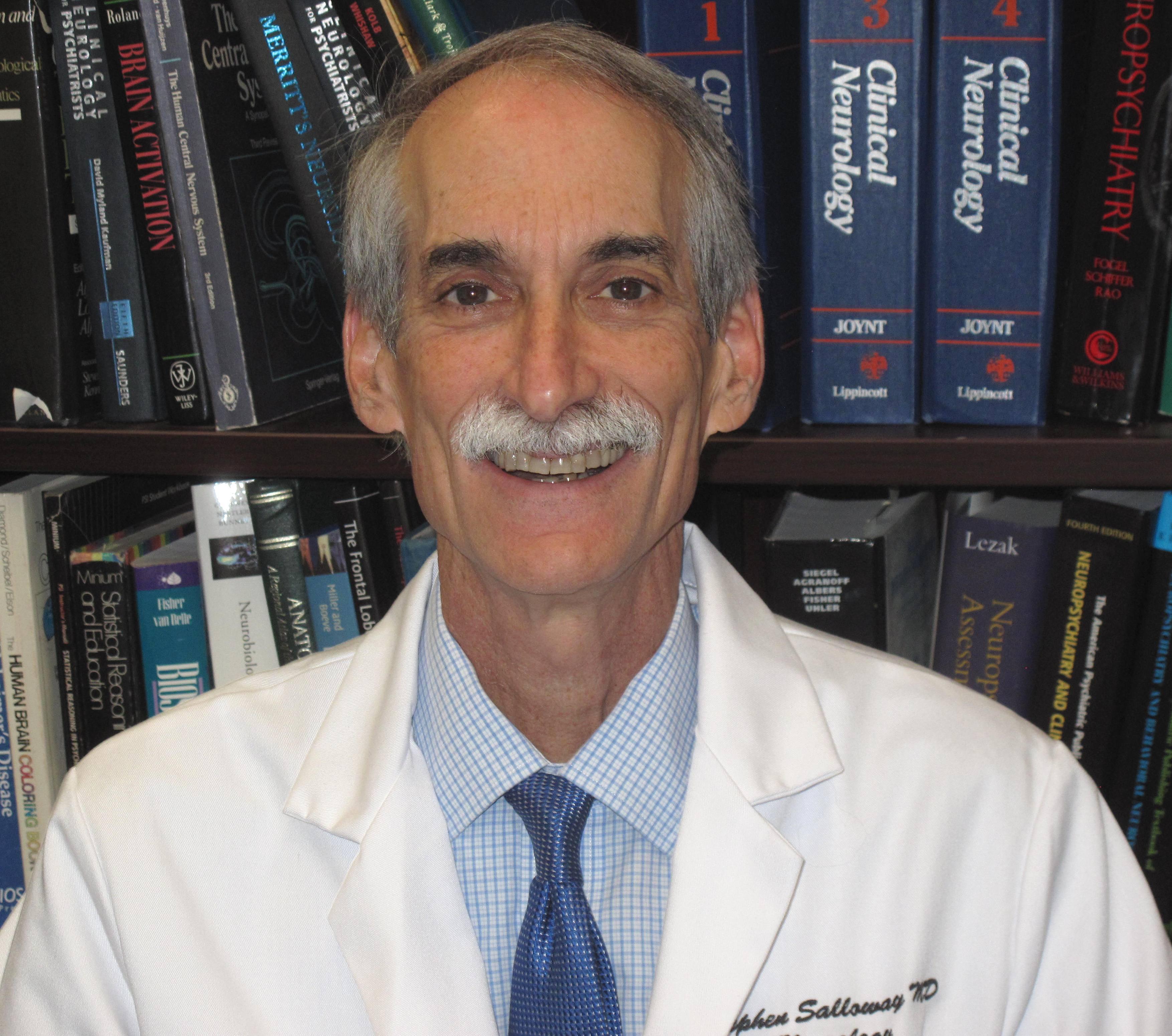
A 2020 Biogen press release announcing an early regulatory review success featured Salloway.
“For many people living with the early stages of Alzheimer’s disease, maintaining independence for as long as possible is the ultimate goal,” said Salloway, M.D., M.S., Director of the Butler Hospital Memory and Aging Program at Brown University. “If we can help slow the progression from one stage to the next, this could preserve independence, which, in turn, could have truly meaningful benefits for people living with the disease and their loved ones. Aducanumab represents a potential breakthrough that we hope will provide a treatment foothold in the fight against Alzheimer’s disease.”
Salloway is a leading Alzheimer's researcher in America, and his efforts are further bolstered by recent investments made at Brown University, including the $100 million gift for its brain science institute from alumnus Robert and Nancy Carney. Salloway, already a star at Brown, became the face of the Warren Alpert Medical School and the related research.
But, nearly every step of the drug's commercialization was steeped in controversy.
Two weeks ago it was announced that Medicare will deny routine payment for Aduhelm. The final Medicare policy is unusually strict and greatly limits sales.
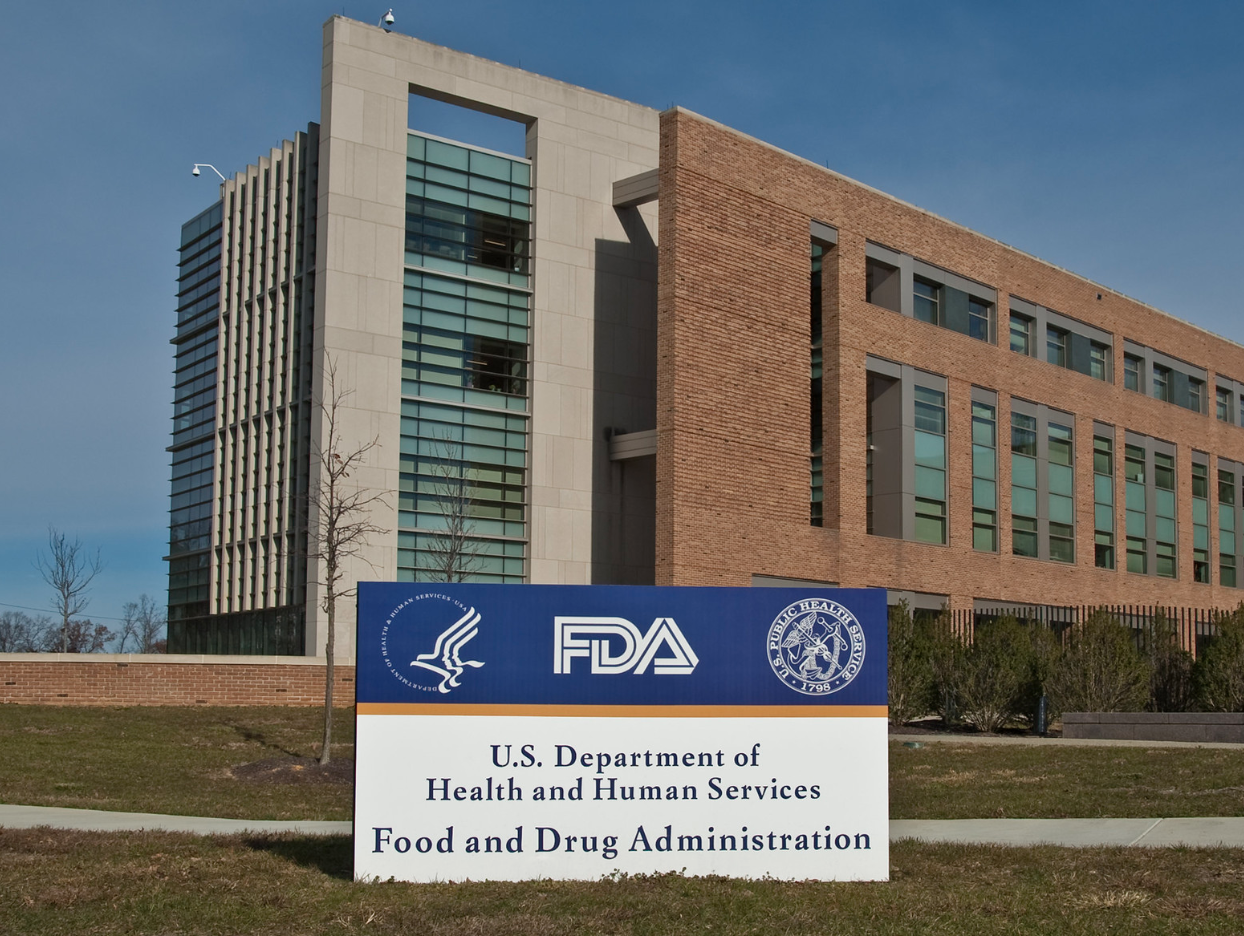
That approval sparked resignations.
“In a powerful statement of disagreement with the Food and Drug Administration’s approval of Biogen’s controversial Alzheimer’s drug, three scientists resigned from the independent committee that advised the agency on the treatment,” reported the New York Times.
“This might be the worst approval decision that the F.D.A. has made that I can remember,” Dr. Aaron Kesselheim, a professor of medicine at Harvard Medical School and Brigham and Women’s Hospital told the NY Times, who submitted his resignation after six years on the committee.
Stop and Go
Salloway has been a consistent advocate for the drug, even when it initially had its clinic trials canceled in 2019.
Salloway appeared on GoLocal LIVE in June of 2019 calling for the need for volunteers for research conducted by Brown in conjunction with Care New England.
But, by September of 2019, Salloway was back on GoLocal LIVE trumpeting the change in fortune.
As GoLocal reported in 2019:
In March, the aducanumab clinical trials that Salloway worked on were suspended -- and then two weeks ago, Biogen announced that new analysis of the research had shown the drug was having a positive impact on slowing Alzheimer’s.
“This is really exciting news. We’ve been testing a medicine that has a funny name -- aducanumab -- that’s been developed by Biogen up in Cambridge for a number of years for patients with early Alzheimer’s disease,” said Salloway, on GoLocal LIVE.
“It had some encouraging results which we published in 2016. It was covered around the world because it looked really good — many people were very interested, we had 60 patients with early Alzheimer’s on this medicine over at Butler Hospital in our memory and aging program, and from our point of view, they seem to be doing well, so we were encouraged,” said Salloway.
"Then all of a sudden in March, I got an email that the drug looked like it didn't meet an outcome analysis — an interim analysis — and Biogen was going to stop testing it. We were blown away, how could that be, it was looking good and our patients were really devastated. They had to come off the drug — some had been on [it] for years and actually doing well," said Salloway, who is the Martin M. Zucker Professor of Psychiatry and Human Behavior and Professor of Neurology at Brown, and Chief of Neurology and Director of the Memory and Aging Program at Butler Hospital.
"Then last week, we got the news — the comeback of the year — that additional data came in and actually looked like the drug was having a positive effect, and Biogen has been speaking with the FDA, and the FDA has given them the green light to submit for approval," added Salloway.
Biogen is now unwinding the drug's support and sales. According to the Wall Street Journal, "The company will substantially eliminate the sales infrastructure it built to support Aduhelm’s launch, including employees to promote the drug to doctors and provide logistical assistance for navigating the complex process of administering it to patients. The cuts will comprise the bulk of an estimated $500 million in annual savings that the company is targeting."
Salloway was unavailable for comment for this story.