


Can You Use a Leaf Blower and Be an Environmentalist?
GoLocalProv News Team
Can You Use a Leaf Blower and Be an Environmentalist?
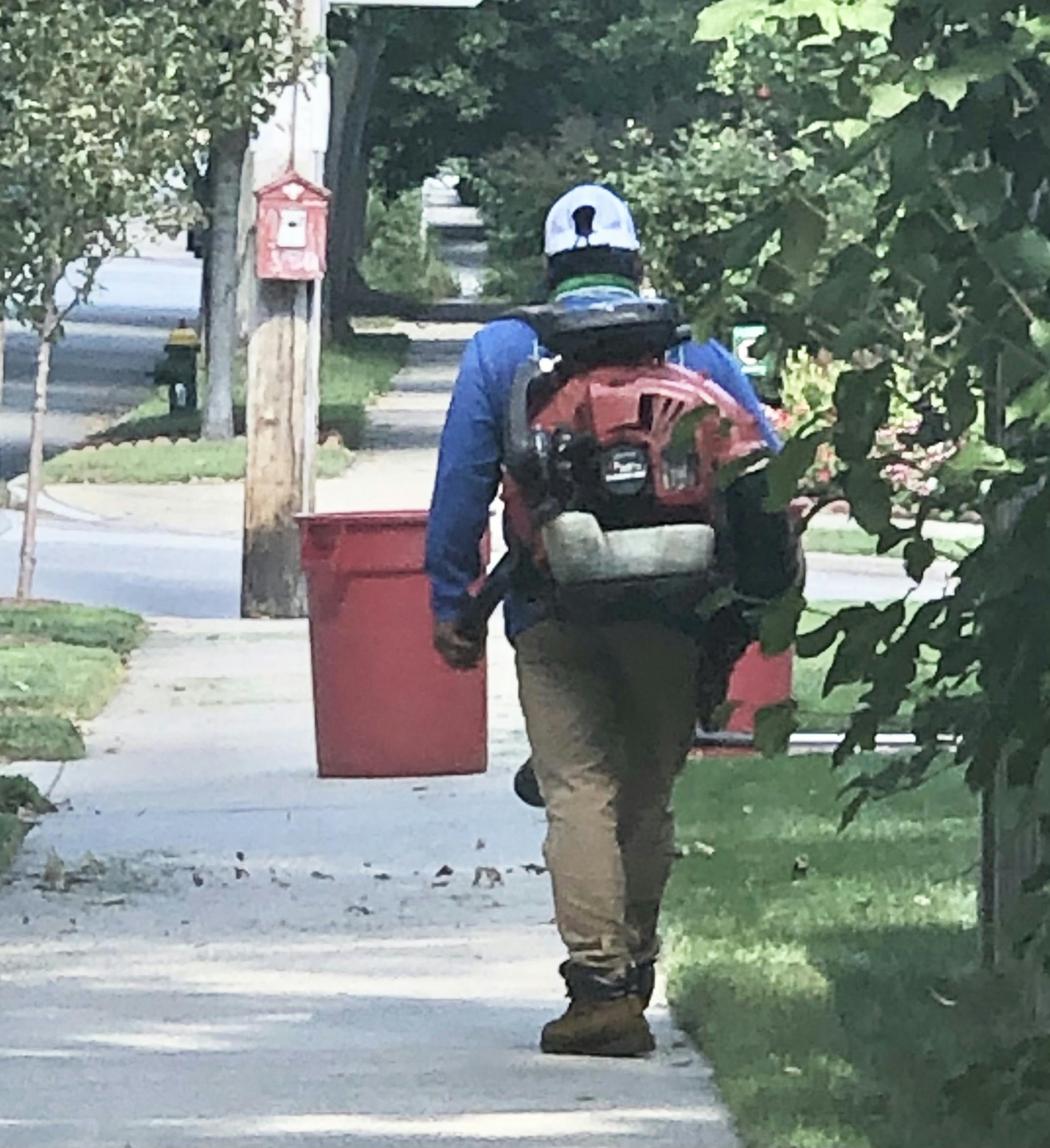
In many neighborhoods, it is hard to enjoy reading, a cookout, or even have an outdoor conversation because of the seemingly endless blaring of leaf blowers.
In some affluent neighborhoods, landscapers are relentless. The noise can be heard nearly non-stop from morning to night.
GET THE LATEST BREAKING NEWS HERE -- SIGN UP FOR GOLOCAL FREE DAILY EBLASTThe environmental issues tied to the gas-powered leaf blowers can be far more than just the noise pollution. Studies have shown that leaf blowers are major sources of carbon emissions. And, there is growing concern that the emissions have an adverse health impact on landscaping workers.
In many communities across Rhode Island, the only limit to leaf blowers are local noise ordinances.
According to the Rhode Island Department of Environmental Management’s spokesperson Michael Healey, “There are no state regulations governing the use of leaf blowers. The issues of noise and time of use are regulated by municipalities.”
Now an organization called the Providence Noise Project is forming. Its tagline is “noise is the new smoking.” The Providence group cites numerous sources about the adverse health impacts of the noise derived from leaf blowers.
The Noise Project has formed a specific Leaf Blower Committee to address the issue.

Gas-powered leaf blowers are a significant source of pollutants. A study by Washington University in St. Louis writes, "Many consumer-grade blowers (and some mowers) use a two-stroke engine, which lacks an independent lubrication system, so fuel has to be mixed with oil. Burning oil and fuel emits a number of harmful toxic pollutants into the air, including carbon monoxide, nitrous oxides (which cause smog formation and acid rain), and hydrocarbons (a carcinogenic gas that also causes smog)."
"The number of air pollutants emitted by gas-powered leaf blowers and lawnmowers exceed pollutant emissions of large automobiles, which are regulated to reduce and capture many air pollutants. A 2011 study showed that a leaf blower emits nearly 300 times the amount of air pollutants as a pickup truck," writes the WU report.
In Washington, D.C. gas leaf blowers have been heavily regulated, and de facto, they are now banned.
Currently in California. legislation is making its way through the legislature that will ban the use of gas leaf blowers.
“Gallon for gallon, these engines pollute at a substantially higher rate than other equipment and vehicles,” said Assembly member Marc Berman.
The bill is supported by a coalition of groups, including the American Lung Association in California, Sierra Club California, and the Union of Concerned Scientists.

Berman’s bill is part of California's effort to cut down on air pollution. One hour of gas-powered leaf blower use is equivalent in emissions to a vehicle driving 1,100 miles, according to the CA Air Resources Board.
Not only do the air emissions have environmental impacts, one organization -- Clean Alternative Landscaping Methods -- says the adverse health effect on workers from the particulates is far greater. "Approximately 5 pounds of particulate matter per leaf blower per hour are blown into the air and can take hours and even days to settle. This particulate matter precipitates asthma attacks, exacerbates allergies, and can cause lung cancer."

He adds, "Affluent property owners employ yard crews of hard-working undocumented (too few of whom are wearing ear protection) to wield these things; I’ve noticed that many of the owners often arrange to be away at their summer or weekend houses when the crews show up."