


Catching Mako Sharks Will Now Be Prohibited -- RI's Atlantic Shark Institute Praises Move
GoLocalProv News Team
Catching Mako Sharks Will Now Be Prohibited -- RI's Atlantic Shark Institute Praises Move
That includes commercial fisherman, recreational fisherman, and any dealers who buy or sell shark products. The ban also includes sharks that are dead or alive when captured, regardless of the events surrounding them, NOAA announced. The decision has long been supported by shark research organizations that understand the significant issues this species of shark faces.
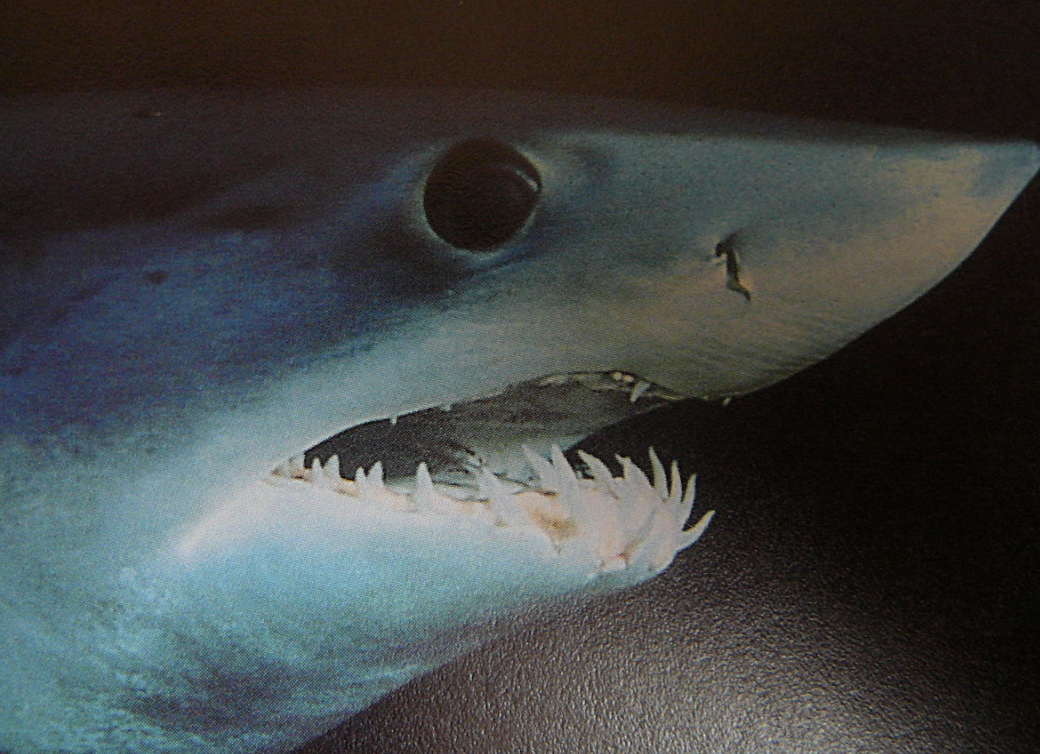
“The shortfin mako shark has long been a target of commercial fisheries and consumers due to its excellent taste, and to sport fishermen for its spectacular strength and leaping ability, with speeds reaching 50 MPH,” said Jon Dodd, ASI Executive Director. “Unfortunately, those are the same issues that have resulted in the significant population decline of this iconic shark that required this complete and unprecedented closure."
GET THE LATEST BREAKING NEWS HERE -- SIGN UP FOR GOLOCAL FREE DAILY EBLAST“The issues surrounding the long-term health of our oceans, and the mako shark, are not hard to understand when broken into digestible components," said Dodd. “Female mako sharks don’t reproduce until they are approximately 20 years old, and 600 pounds. I’ve seen hundreds of mako sharks and exactly one that size in all my years researching this spectacular shark. It’s amazing that they can even reach that age and size with all the fishing pressure and risks they face, spending decades in our oceans.”
About Mako Sharks
Mako sharks have very few young, and they take time off between giving birth, so the numbers don’t favor their long term survival without significant management changes.
In a recent assessment, the International Commission for the Conservation of Atlantic Tunas (ICCAT) indicated that as much as 4,750 metric tons of mako shark were being taken on an annual basis, while a reduction to 700 metric tons would end overfishing.
According to ASI, a retention level of only 500 metric tons or less would allow the stock to rebuild, however, it could take until 2070 according to the assessment.
“It was time to give the mako shark a break, but even so, we are still looking at a recovery that will take until 2070 with these new plans enacted. This is not a quick fix by any means and the mako still faces significant challenges," said Dodd.
NOAA Fisheries will review the complete ban in future assessments to determine next steps and actions.
To learn more about the Atlantic Shark Institute and their fascinating mako research, please visit www.atlanticsharkinstitute.org or you can find them on Facebook and Instagram.
PHOTO: A close-up of a shortfin mako shark head. Wikipedia/Public Domain