


Common Cause Rankings for Each Member of the House
GoLocalProv News Team
Common Cause Rankings for Each Member of the House
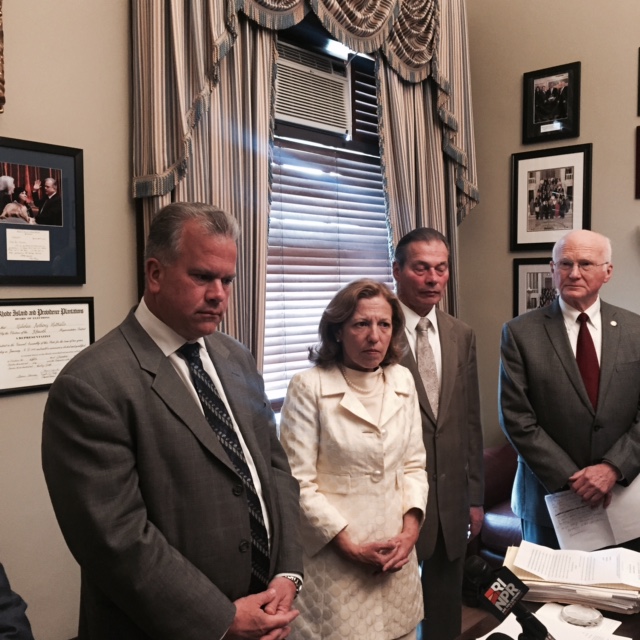
SLIDES: SEE EACH HOUSE MEMBER BELOW
Senator James Sheehan wrote in a Guest MINDSETTER™ column in GoLocal in June, “Ethics reform was not just a bill, but a journey. While it has taken us six long and arduous years to get ethics reform written into law, I am very pleased that the day has finally arrived.”
GET THE LATEST BREAKING NEWS HERE -- SIGN UP FOR GOLOCAL FREE DAILY EBLASTThe vote on ethics legislation was just one of the many votes that Common Cause tracked and then ranked the voting records of each of the legislators.
Today, GoLocal presents the Common Cause voting record of the House of Representative and on Sunday, we present the Senate votes.
"Common Cause counted 16 Senate votes (weight equals 25) and 17 House votes (weight equals 32) from the Senate and House Journals in this two-year scorecard. Our lobbying, testimony, printed communications, or emails laid out Common Cause positions on most of the issues. In some cases, amendments proposed on the floor of the House and Senate focused the issue more clearly than final votes, or complimented votes on the entire bill. To better draw distinctions about what votes are most important to Common Cause, this scorecard utilizes a three-point scale for ranking votes:
1 Point – Routine pro-votes or anti-votes based on positions advocated by common cause;
2 Point – Votes that uphold or attack long-standing, clearly enunciated common cause principles; and
3 Point – Votes on legislation or resolutions initiated by common cause, or on issues of critical importance to government reform.
It’s important to note that Common Cause takes positions on issues based on concerns for process rather than issues of substantive public policy. The votes selected for this scorecard reflect that emphasis. A State Governing Board elected by the membership of Common Cause Rhode Island at its Annual Meeting each fall establishes our positions.
The votes are divided into issue areas, including Elections and Campaign Finance, Ethics and Lobbying Reform, Judicial Selection, Open Government and Rules and Separation of Powers. Within these issue areas the number of pro-votes is divided by the total possible in that area (e.g. 3 pro-Common Cause votes out of 4 results is a 75%). On some occasions lawmakers abstain, or recuse, on votes because of potential conflicts. In instances of recusal they are required by law to note the reason for the recusal in the House and Senate Journals.
Since the Rhode Island Supreme Court’s case in the Irons decision, however, no body exists to sanction legislators who do not recuse when they have a conflict. The formula used to calculate the final score is:
(Pro-votes) / ((Pro-votes + Anti-votes) + (Non-voting/2)) = (Final average)
2016 Common Cause Legislative Rankings

Final Score 68%
Marvin Abney
District: 73
Party: D
Ethics: 100%
Campaign Elections: 75%
Judicial Reform: no votes
Open Government: 67%
Separation of Government: 100%
Pro Common Cause Votes: 21
Anti-Common Cause Votes: 9
Did not Vote: 2

Final Score 72%
Mia Ackerman
District: 45
Party: D
Ethics: 100%
Campaign Elections: 75%
Judicial Reform: no votes
Open Government: 0%
Separation of Government: 100%
Pro Common Cause Votes: 23
Anti-Common Cause Votes: 9
Did not Vote: 0

Final Score: 81%
Edith Ajello
District: 1
Party: D
Ethics: 100%
Campaign Elections: 75%
Judicial Reform: 100%
Open Government: 0%
Separation of Government: 100%
Pro Common Cause Votes: 25
Anti-Common Cause Votes: 5
Did not Vote: 2

Final Score: 63%
Joseph Almeida
District: 12
Party: D
Ethics: 0%
Campaign Elections: 50%
Judicial Reform: 100%
Open Government: 0%
Separation of Government: 100%
Pro Common Cause Votes: 18
Anti-Common Cause Votes: 7
Did not Vote: 7

Final Score: 72%
Gregg Amore
District: 65
Party: D
Ethics: 100%
Campaign Elections: 75%
Judicial Reform: 100%
Open Government: 0%
Separation of Government: 100%
Pro Common Cause Votes: 23
Anti-Common Cause Votes: 9
Did not Vote: 0

Final Score: 72%
Samuel Azzinaro
District: 37
Party: D
Ethics: 100%
Campaign Elections: 75%
Judicial Reform: 100%
Open Government: 0%
Separation of Government: 100%
Pro Common Cause Votes: 23
Anti-Common Cause Votes: 9
Did not Vote: 0

Final Score: 72%
Jean Barros
District: 59
Party: D
Ethics: 100%
Campaign Elections: 75%
Judicial Reform: 100%
Open Government: 0%
Separation of Government: 100%
Pro Common Cause Votes: 23
Anti-Common Cause Votes: 9
Did not Vote: 0

Final Score: 72%
David Bennett
District: 20
Party: D
Ethics: 100%
Campaign Elections: 75%
Judicial Reform: 100%
Open Government: 0%
Separation of Government: 100%
Pro Common Cause Votes: 23
Anti-Common Cause Votes: 9
Did not Vote: 0

Final Score: 72%
Christopher Blazejewski
District: 2
Party: D
Ethics: 100%
Campaign Elections: 75%
Judicial Reform: 100%
Open Government: 0%
Separation of Government: 100%
Pro Common Cause Votes: 23
Anti-Common Cause Votes: 9
Did not Vote: 0

Final Score: 72%
Dennis Canario
District: 71
Party: D
Ethics: 100%
Campaign Elections: 75%
Judicial Reform: 100%
Open Government: 0%
Separation of Government: 100%
Pro Common Cause Votes: 23
Anti-Common Cause Votes: 9
Did not Vote: 0

Final Score: 56%
John Carnevale
District: 13
Party: D
Ethics: 100%
Campaign Elections: 0%
Judicial Reform: 100%
Open Government: 33%
Separation of Government: 100%
Pro Common Cause Votes: 16
Anti-Common Cause Votes: 9
Did not Vote: 7

Final Score: 72%
Lauren Carson
District: 75
Party: D
Ethics: 100%
Campaign Elections: 75%
Judicial Reform: 100%
Open Government: 0%
Separation of Government: 100%
Pro Common Cause Votes: 23
Anti-Common Cause Votes: 9
Did not Vote: 0
PHOTO: laurencarson.com

Final Score: 72%
Stephen Casey
District: 50
Party: D
Ethics: 100%
Campaign Elections: 75%
Judicial Reform: 100%
Open Government: 0%
Separation of Government: 100%
Pro Common Cause Votes: 23
Anti-Common Cause Votes: 9
Did not Vote: 0

Final Score: 78%
Michael Chippendale
District: 40
Party: R
Ethics: 100%
Campaign Elections: 50%
Judicial Reform: 100%
Open Government: 0%
Separation of Government: 100%
Pro Common Cause Votes: 25
Anti-Common Cause Votes: 7
Did not Vote: 0

Final Score: 68%
Arthur Corvese
District: 55
Party: D
Ethics: 100%
Campaign Elections: 50%
Judicial Reform: 100%
Open Government: 0%
Separation of Government: 100%
Pro Common Cause Votes: 21
Anti-Common Cause Votes: 9
Did not Vote: 0

Final Score: 84%
Doreen Costa
District: 31
Party: R
Ethics: 100%
Campaign Elections: 100%
Judicial Reform: 100%
Open Government: 0%
Separation of Government: 100%
Pro Common Cause Votes: 27
Anti-Common Cause Votes: 5
Did not Vote: 0

Final Score: 72%
Gregory Costantino
District: 44
Party: D
Ethics: 100%
Campaign Elections: 75%
Judicial Reform: 100%
Open Government: 0%
Separation of Government: 100%
Pro Common Cause Votes: 23
Anti-Common Cause Votes: 9
Did not Vote: 0

Final Score: 51%
David Coughlin Jr.
District: 60
Party: D
Ethics: 100%
Campaign Elections: 38%
Judicial Reform: 100%
Open Government: 0%
Separation of Government: 100%
Pro Common Cause Votes: 14
Anti-Common Cause Votes: 9
Did not Vote: 9

Final Score: 72%
Robert Craven, Sr.
District: 32
Party: D
Ethics: 100%
Campaign Elections: 75%
Judicial Reform: 100%
Open Government: 0%
Separation of Government: 100%
Pro Common Cause Votes: 23
Anti-Common Cause Votes: 9
Did not Vote: 0

Final Score: 72%
John DeSimone
District: 5
Party: D
Ethics: 100%
Campaign Elections: 75%
Judicial Reform: 100%
Open Government: 0%
Separation of Government: 100%
Pro Common Cause Votes: 23
Anti-Common Cause Votes: 9
Did not Vote: 0

Final Score: 68%
Grace Diaz
District: 11
Party: D
Ethics: 100%
Campaign Elections: 50%
Judicial Reform: 100%
Open Government: 0%
Separation of Government: 100%
Pro Common Cause Votes: 21
Anti-Common Cause Votes: 9
Did not Vote: 2

Final Score: 72%
John Edwards
District: 70
Party: D
Ethics: 100%
Campaign Elections: 75%
Judicial Reform: 100%
Open Government: 0%
Separation of Government: 100%
Pro Common Cause Votes: 23
Anti-Common Cause Votes: 9
Did not Vote: 0

Final Score: 64%
Deborah Fellella
District: 43
Party: D
Ethics: 100%
Campaign Elections: 25%
Judicial Reform: 100%
Open Government: 0%
Separation of Government: 100%
Pro Common Cause Votes: 19
Anti-Common Cause Votes: 8
Did not Vote: 5

Final Score: 66%
Blake Filippi
District: 36
Party: I
Ethics: 100%
Campaign Elections: 38%
Judicial Reform: 100%
Open Government: 0%
Separation of Government: 0%
Pro Common Cause Votes: 21
Anti-Common Cause Votes: 11
Did not Vote: 0

Final Score: 65%
Raymond Gallison Jr.
District: 69
Party: D
Ethics: 0%
Campaign Elections: 81%
Judicial Reform: 100%
Open Government: 50%
Separation of Government: 100%
Pro Common Cause Votes: 13
Anti-Common Cause Votes: 7
Did not Vote: 0

Final Score: 78%
Antonio Giarrusso
District: 30
Party: R
Ethics: 100%
Campaign Elections: 63%
Judicial Reform: 100%
Open Government: 33%
Separation of Government: 100%
Pro Common Cause Votes: 25
Anti-Common Cause Votes: 7
Did not Vote: 0

Final Score: 72%
Arthur Handy
District: 18
Party: D
Ethics: 100%
Campaign Elections: 75%
Judicial Reform: 100%
Open Government: 0%
Separation of Government: 100%
Pro Common Cause Votes: 23
Anti-Common Cause Votes: 9
Did not Vote: 0

Final Score: 78%
Joy Hearn
District: 66
Party: D
Ethics: 100%
Campaign Elections: 75%
Judicial Reform: 100%
Open Government: 0%
Separation of Government: 100%
Pro Common Cause Votes: 25
Anti-Common Cause Votes: 7
Did not Vote: 0

Final Score: 72%
Raymond Hull
District: 6
Party: D
Ethics: 100%
Campaign Elections: 75%
Judicial Reform: 100%
Open Government: 0%
Separation of Government: 100%
Pro Common Cause Votes: 23
Anti-Common Cause Votes: 9
Did not Vote: 0

Final Score: 56%
Robert Jacquard
District: 17
Party: D
Ethics: 100%
Campaign Elections: 13%
Judicial Reform: 100%
Open Government: 0%
Separation of Government: 100%
Pro Common Cause Votes: 16
Anti-Common Cause Votes: 9
Did not Vote: 7

Final Ranking: 72%
Raymond Johnston Jr.
District: 61
Party: D
Ethics: 100%
Campaign Elections: 75%
Judicial Reform: 100%
Open Government: 0%
Separation of Government: 100%
Pro Common Cause Votes: 23
Anti-Common Cause Votes: 9
Did not Vote: 0

Final Score: 72%
Katherine Kazarian
District: 63
Party: D
Ethics: 100%
Campaign Elections: 75%
Judicial Reform: 100%
Open Government: 0%
Separation of Government: 100%
Pro Common Cause Votes: 23
Anti-Common Cause Votes: 9
Did not Vote: 0

Final Score: 72%
Cale Keable
District: 47
Party: D
Ethics: 100%
Campaign Elections: 75%
Judicial Reform: 100%
Open Government: 0%
Separation of Government: 100%
Pro Common Cause Votes: 23
Anti-Common Cause Votes: 9
Did not Vote: 0

Final Score: 72%
Brian Kennedy
District: 38
Party: D
Ethics: 100%
Campaign Elections: 75%
Judicial Reform: 100%
Open Government: 0%
Separation of Government: 100%
Pro Common Cause Votes: 23
Anti-Common Cause Votes: 9
Did not Vote: 0

Final Score: 0%
Donald Lally
District: 33
Party: D
Ethics: 0%
Campaign Elections: 0%
Judicial Reform: 0%
Open Government: 50%
Separation of Government: 0%
Pro Common Cause Votes: 0
Anti-Common Cause Votes: 3
Did not Vote: 0

Final Score: 78%
Robert Lancia
District: 16
Party: R
Ethics: 100%
Campaign Elections: 63%
Judicial Reform: 100%
Open Government: 33%
Separation of Government: 100%
Pro Common Cause Votes: 25
Anti-Common Cause Votes: 7
Did not Vote: 0

Final Score: 72%
Charlene Lima
District: 14
Party: D
Ethics: 100%
Campaign Elections: 75%
Judicial Reform: 100%
Open Government: 0%
Separation of Government: 100%
Pro Common Cause Votes: 23
Anti-Common Cause Votes: 9
Did not Vote: 0

Final Score: 72%
John Lombardi
District: 8
Party: D
Ethics: 100%
Campaign Elections: 75%
Judicial Reform: 100%
Open Government: 0%
Separation of Government: 100%
Pro Common Cause Votes: 23
Anti-Common Cause Votes: 9
Did not Vote: 0

Final Ranking: 63 %
Karen MacBeth
District: 52
Party: R
Ethics: 0%
Campaign Elections: 25%
Judicial Reform: 100%
Open Government: 0%
Separation of Government: 0%
Pro Common Cause Votes: 17
Anti-Common Cause Votes: 5
Did not Vote: 10

Final Score: 72%
Shelby Maldonado
District: 56
Party: D
Ethics: 100%
Campaign Elections: 75%
Judicial Reform: 100%
Open Government: 0%
Separation of Government: 100%
Pro Common Cause Votes: 23
Anti-Common Cause Votes: 9
Did not Vote: 0

Final Score: 75%
Jan Malik
District: 67
Party: D
Ethics: 100%
Campaign Elections: 75%
Judicial Reform: 100%
Open Government: 0%
Separation of Government: 100%
Pro Common Cause Votes: 23
Anti-Common Cause Votes: 6
Did not Vote: 3

Final Score: 84%
Michael Marcello
District: 41
Party: D
Ethics: 100%
Campaign Elections: 75%
Judicial Reform: 100%
Open Government: 0%
Separation of Government: 100%
Pro Common Cause Votes: 27
Anti-Common Cause Votes: 5
Did not Vote: 0

Final Score: 59%
Kenneth Marshall
District: 68
Party: D
Ethics: 100%
Campaign Elections: 13%
Judicial Reform: 100%
Open Government: 33%
Separation of Government: 100%
Pro Common Cause Votes: 17
Anti-Common Cause Votes: 9
Did not Vote: 6

Final Score: 72%
Nichola Mattiello
District: 15
Party: D
Ethics: 100%
Campaign Elections: 75%
Judicial Reform: 100%
Open Government: 0%
Separation of Government: 100%
Pro Common Cause Votes: 23
Anti-Common Cause Votes: 9
Did not Vote: 0

Final Score: 74%
Carol Hagen McEntee
District: 33
Party: D
Ethics: 100%
Campaign Elections: 38%
Judicial Reform: 100%
Open Government: 50%
Separation of Government: 100%
Pro Common Cause Votes: 17
Anti-Common Cause Votes: 6
Did not Vote: 0
PHOTO: Independentri.com

Final Score: 72%
Daniel McKiernan
District: 7
Party: D
Ethics: 100%
Campaign Elections: 75%
Judicial Reform: 100%
Open Government: 0%
Separation of Government: 100%
Pro Common Cause Votes: 23
Anti-Common Cause Votes: 9
Did not Vote: 0
PHOTO: Twitter

Final Score: 79%
James McLaughlin
District: 57
Party: D
Ethics: 100%
Campaign Elections: 100%
Judicial Reform: 100%
Open Government: 0%
Separation of Government: 100%
Pro Common Cause Votes: 25
Anti-Common Cause Votes: 6
Did not Vote: 1

Final Score: 72%
Joseph McNamara
District: 19
Party: D
Ethics: 100%
Campaign Elections: 75%
Judicial Reform: 100%
Open Government: 0%
Separation of Government: 100%
Pro Common Cause Votes: 23
Anti-Common Cause Votes: 9
Did not Vote: 0

Final Score: 72%
Hello Melo
District: 64
Party: D
Ethics: 100%
Campaign Elections: 75%
Judicial Reform: 100%
Open Government: 0%
Separation of Government: 100%
Pro Common Cause Votes: 23
Anti-Common Cause Votes: 9
Did not Vote: 0

Final Score: 72%
Mary Messier
District: 62
Party: D
Ethics: 100%
Campaign Elections: 75%
Judicial Reform: 100%
Open Government: 0%
Separation of Government: 100%
Pro Common Cause Votes: 23
Anti-Common Cause Votes: 9
Did not Vote: 0

Final Score: 79%
Patricia Morgan
District: 26
Party: R
Ethics: 100%
Campaign Elections: 63%
Judicial Reform: 100%
Open Government: 33%
Separation of Government: 0%
Pro Common Cause Votes: 24
Anti-Common Cause Votes: 5
Did not Vote: 3

Final Score: 72%
Michael Morin
District: 49
Party: D
Ethics: 100%
Campaign Elections: 75%
Judicial Reform: 100%
Open Government: 0%
Separation of Government: 100%
Pro Common Cause Votes: 23
Anti-Common Cause Votes: 9
Did not Vote: 0
Final Score: 84%
Robert Nardolillo
District: 28
Party: R
Ethics: 100%
Campaign Elections: 100%
Judicial Reform: 100%
Open Government: 0%
Separation of Government: 100%
Pro Common Cause Votes: 27
Anti-Common Cause Votes: 5
Did not Vote: 0

Final Score: 61%
Eileen Naughton
District: 21
Party: D
Ethics: 100%
Campaign Elections: 13
Judicial Reform: 100%
Open Government: 0%
Separation of Government: 100%
Pro Common Cause Votes: 19
Anti-Common Cause Votes: 10
Did not Vote: 3

Final Score: 62%
Brian Newberry
District: 48
Party: R
Ethics: 100%
Campaign Elections: 25%
Judicial Reform: 100%
Open Government: 0%
Separation of Government: 100%
Pro Common Cause Votes: 19
Anti-Common Cause Votes: 10
Did not Vote: 3

Final Score: 78%
Jared Nunes
District: 25
Party: D
Ethics: 100%
Campaign Elections: 75%
Judicial Reform: 100%
Open Government: 0%
Separation of Government: 100%
Pro Common Cause Votes: 25
Anti-Common Cause Votes: 7
Did not Vote: 0

Final Score: 72%
William O'Brien
District: 54
Party: D
Ethics: 100%
Campaign Elections: 75%
Judicial Reform: 100%
Open Government: 0%
Separation of Government: 100%
Pro Common Cause Votes: 23
Anti-Common Cause Votes: 9
Did not Vote: 0

Final Score: 72%
Jeremiah O'Grady
District: 46
Party: D
Ethics: 100%
Campaign Elections: 75%
Judicial Reform: 100%
Open Government: 0%
Separation of Government: 100%
Pro Common Cause Votes: 23
Anti-Common Cause Votes: 9
Did not Vote: 0

Final Score: 45%
Thomas Palangio
District: 3
Party: D
Ethics: 100%
Campaign Elections: 38%
Judicial Reform: 100%
Open Government: 100%
Separation of Government: 100%
Pro Common Cause Votes:11
Anti-Common Cause Votes: 6
Did not Vote: 15

Final Score: 59%
Robert Phillips
District: 51
Party: D
Ethics: 100%
Campaign Elections: 25%
Judicial Reform: 100%
Open Government: 0%
Separation of Government: 100%
Pro Common Cause Votes: 19
Anti-Common Cause Votes: 13
Did not Vote: 0

Final Score: 70%
Justin Price
District: 39
Party: R
Ethics: 100%
Campaign Elections: 50%
Judicial Reform: 100%
Open Government: 0%
Separation of Government: 0%
Pro Common Cause Votes: 22
Anti-Common Cause Votes: 9
Did not Vote: 1

Final Score: 74%
Aaron Regunberg
District: 4
Party: D
Ethics: 100%
Campaign Elections: 75%
Judicial Reform: 100%
Open Government: 0%
Separation of Government: 100%
Pro Common Cause Votes: 23
Anti-Common Cause Votes: 7
Did not Vote: 2

Final Score: 70%
Daniel Reilly
District: 72
Party: R
Ethics: 100%
Campaign Elections: 63%
Judicial Reform: 100%
Open Government: 0%
Separation of Government: 100%
Pro Common Cause Votes: 22
Anti-Common Cause Votes: 9
Did not Vote: 1

Final Score: 69%
Sherry Roberts
District: 29
Party: R
Ethics: 100%
Campaign Elections: 63%
Judicial Reform: 100%
Open Government: 0%
Separation of Government: 100%
Pro Common Cause Votes: 22
Anti-Common Cause Votes: 10
Did not Vote: 0

Final Score: 72%
Deborah Ruggiero
District: 74
Party: D
Ethics: 100%
Campaign Elections: 75%
Judicial Reform: 100%
Open Government: 0%
Separation of Government: 100%
Pro Common Cause Votes: 23
Anti-Common Cause Votes: 9
Did not Vote: 0

Final Score: 72%
Patricia Serpa
District: 27
Party: D
Ethics: 100%
Campaign Elections: 75%
Judicial Reform: 100%
Open Government: 0%
Separation of Government: 100%
Pro Common Cause Votes: 23
Anti-Common Cause Votes: 9
Did not Vote: 0

Final Score: 72%
Joseph Shekarchi
District: 23
Party: D
Ethics: 100%
Campaign Elections: 75%
Judicial Reform: 100%
Open Government: 0%
Separation of Government: 100%
Pro Common Cause Votes: 23
Anti-Common Cause Votes: 9
Did not Vote: 0

Final Score: 73%
Scott Slater
District: 10
Party: D
Ethics: 100%
Campaign Elections: 75%
Judicial Reform: 100%
Open Government: 0%
Separation of Government: 100%
Pro Common Cause Votes: 23
Anti-Common Cause Votes: 8
Did not Vote: 1

Final Score: 72%
Joseph Solomon Jr.
District: 22
Party: D
Ethics: 100%
Campaign Elections: 75%
Judicial Reform: 100%
Open Government: 0%
Separation of Government: 100%
Pro Common Cause Votes: 23
Anti-Common Cause Votes: 9
Did not Vote: 0

Final Score: 72%
Teresa Ann Tanzi
District: 34
Party: D
Ethics: 100%
Campaign Elections: 75%
Judicial Reform: 100%
Open Government: 0%
Separation of Government: 100%
Pro Common Cause Votes: 23
Anti-Common Cause Votes: 9
Did not Vote: 0

Final Score: 70%
Carlos Tobon
District: 58
Party: D
Ethics: 100%
Campaign Elections: 63%
Judicial Reform: 100%
Open Government: 0%
Separation of Government: 100%
Pro Common Cause Votes: 22
Anti-Common Cause Votes: 9
Did not Vote: 1

Final Score: 69%
Joseph Trillo
District: 24
Party: R
Ethics: 100%
Campaign Elections: 63%
Judicial Reform: 100%
Open Government: 33%
Separation of Government: 100%
Pro Common Cause Votes: 21
Anti-Common Cause Votes: 8
Did not Vote: 3

Final Score: 62%
Stephen Ucci
District: 42
Party: D
Ethics: 100%
Campaign Elections: 0%
Judicial Reform: 100%
Open Government: 0%
Separation of Government: 100%
Pro Common Cause Votes: 17
Anti-Common Cause Votes: 6
Did not Vote: 9

Final Score: 72%
Anastasia Williams
District: 9
Party: D
Ethics: 100%
Campaign Elections: 75%
Judicial Reform: 100%
Open Government: 0%
Separation of Government: 100%
Pro Common Cause Votes: 23
Anti-Common Cause Votes: 9
Did not Vote: 0

Final Score: 72%
Thomas Winfield
District: 53
Party: D
Ethics: 100%
Campaign Elections: 75%
Judicial Reform: 100%
Open Government: 0%
Separation of Government: 100%
Pro Common Cause Votes: 23
Anti-Common Cause Votes: 9
Did not Vote: 0


