


Does America Have a Leadership Crisis? - Gary Sasse
Gary Sasse, Guest MINDSETTER™
Does America Have a Leadership Crisis? - Gary Sasse
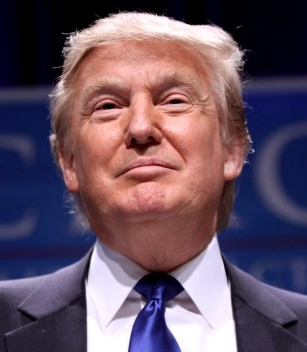
Nonetheless, there will be a presidential election in November and consideration of President Trump’s record is unavoidable even if the coronavirus rages.
Responding effectively to disasters in a representative democracy poses unique challenges to elected officials. Protecting personal and civil liberties and maintaining federalism places constitutional constraints on all levels of government.
GET THE LATEST BREAKING NEWS HERE -- SIGN UP FOR GOLOCAL FREE DAILY EBLASTWith this system of governance, any administration could be initially overwhelmed by a pandemic. In these situations, a president must learn from his mistakes, quickly propose a national plan of action, and mobilize needed resources. It is this standard by which voters should judge President Trump’s leadership.
Americans should not blame President Trump for the COVID-19 emergency. This virus would have come to the United States regardless of who occupied the White House. Nevertheless, President Trump must be held accountable for his Administration’s successes and failures to help control the spread of the virus.
As Tim Miller wrote in The Bulwark, between the coronavirus outbreak in China and its appearance in the United States President Trump was warned about our exposure and the remedial actions needed.
The Administration lacked the organizational discipline to formulate an unambiguous national policy and communicate it to the country. Key command positions were vacant or filled with temporary appointments. The National Security Council’s global health office was dismantled, and reports suggested that the President was dismissive of bad news.
The President’s actions have had consequences for all Americans. The Trump Administration bungled the production and dissemination of tests critical to containing the virus. A headline in the March 29, 2020, of the New York Times reads, “Testing Blunders Cost Vital Month in US Virus Fight”.
The President also failed in epic proportions to mobilize an immediate response to the shortages of ventilators and key medical supplies. The unfortunate impact of these decisions may mean more suffering and a longer-lasting recession.
President Trump cannot avoid some of the responsibility for dysfunctional management, not mastering the facts and a politically myopic vision making it hard to connect the dots.
Many Americans might disagree with this assessment. As the President has dealt with the pandemic, we have seen an uptick in his approval rating. It hit a record high of 49 percent in a recent Gallup survey. This may be due to the crisis being viewed differently in different parts of the country, Americans rallying around their Commander-in-Chief during an emergency, and the President’s briefings dominating the airwaves.
However, this could all change in a flash because Americans have tremendous anxieties about the coronavirus. As reported by the New York Times, a Fox Poll found most voters felt that the federal government had only done a fair or poor job responding to the virus. Furthermore, by a 19 point spread voters said a stronger government response might have helped limit the spread of the pandemic.
In addressing this emergency governors, mayors, school officials and public health experts have demonstrated the importance of effective leadership, command of the facts and credible problem-solving. The silver lining of the crisis may be to reinforce the importance of these characteristics when the voters go to the polls to elect the next President of the United States.
In November 2020 America needs to elect a president who will level with them, respect evidence and facts, be a consensus builder, and restore respect for leadership.
.jpg)