


EDITORIAL: Newspapers’ Fate Was Sealed by Triumph of Greed Over Innovation
Editorial
EDITORIAL: Newspapers’ Fate Was Sealed by Triumph of Greed Over Innovation
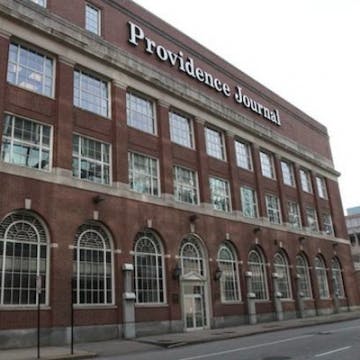
For many decades many daily newspapers were regional monopolies that dominated advertising, news content, and opinion in their markets. The families who owned newspapers in Boston, Hartford, Providence, and across America made fortunes. If the price of newsprint went up, they increased advertising prices. If circulation dropped, they increased advertising prices. They had a terrific business model until the feisty Internet came along.
Then, they sold out and made hundreds of millions or billions. The shareholders, which especially included some old Yankee families, sold The Providence Journal and some TV stations to Belo, the owners of Dallas Morning News, for $1.5 billion in 1996.
GET THE LATEST BREAKING NEWS HERE -- SIGN UP FOR GOLOCAL FREE DAILY EBLASTAccording to The New York Times, The Journal started slashing its staffing before it was sold. “The Providence Journal Company was taken public by its management in July [1996] at $19 a share, after the newspaper shed about 150 jobs through voluntary retirements or buyouts. At the paper yesterday [September 26, 1996], staff members were assured by Stephen Hamblett, the company chairman, that there would be no layoffs and that the newspaper's board would remain independent and separate from the Belo board, as a testimony of the new parent company's intention not to interfere.”
Over the years since The Journal was sold to Belo, then sold to GateHouse and then GateHouse was merged with Gannett. The new parent company is in the throes of massive debt to Apollo Global -- operated by the infamous Leon Black -- Wall Street financier and close friend of Jeffrey Epstein. During this corporate wheeling and dealing, hundreds of more staffers were given buyouts or laid off.
As the owners cut The Journal as much as they could get away with to maximize profit margins, little money was reinvested and there was little innovation.
In some ways, The Providence Journal looks a lot like it did a quarter-century ago, just a lot thinner and dominated by day-old wire stories.
The website was better a quarter-century ago.
In Rhode Island, the game has lately been especially perverse as The Journal’s claim of being a watchdog has been undermined by its hiring high-priced lobbyists to preserve an antiquated state law that forced cities and towns to pay to put legal notices in the ever-shrinking paper.
In 2020, the newspaper business model is dead. The prime cause of death: greed.