


Former U.S. Attorney Says Hospital Conversion Act Needs Review to Avoid Another St. Joseph's
GoLocalProv News Team
Former U.S. Attorney Says Hospital Conversion Act Needs Review to Avoid Another St. Joseph's
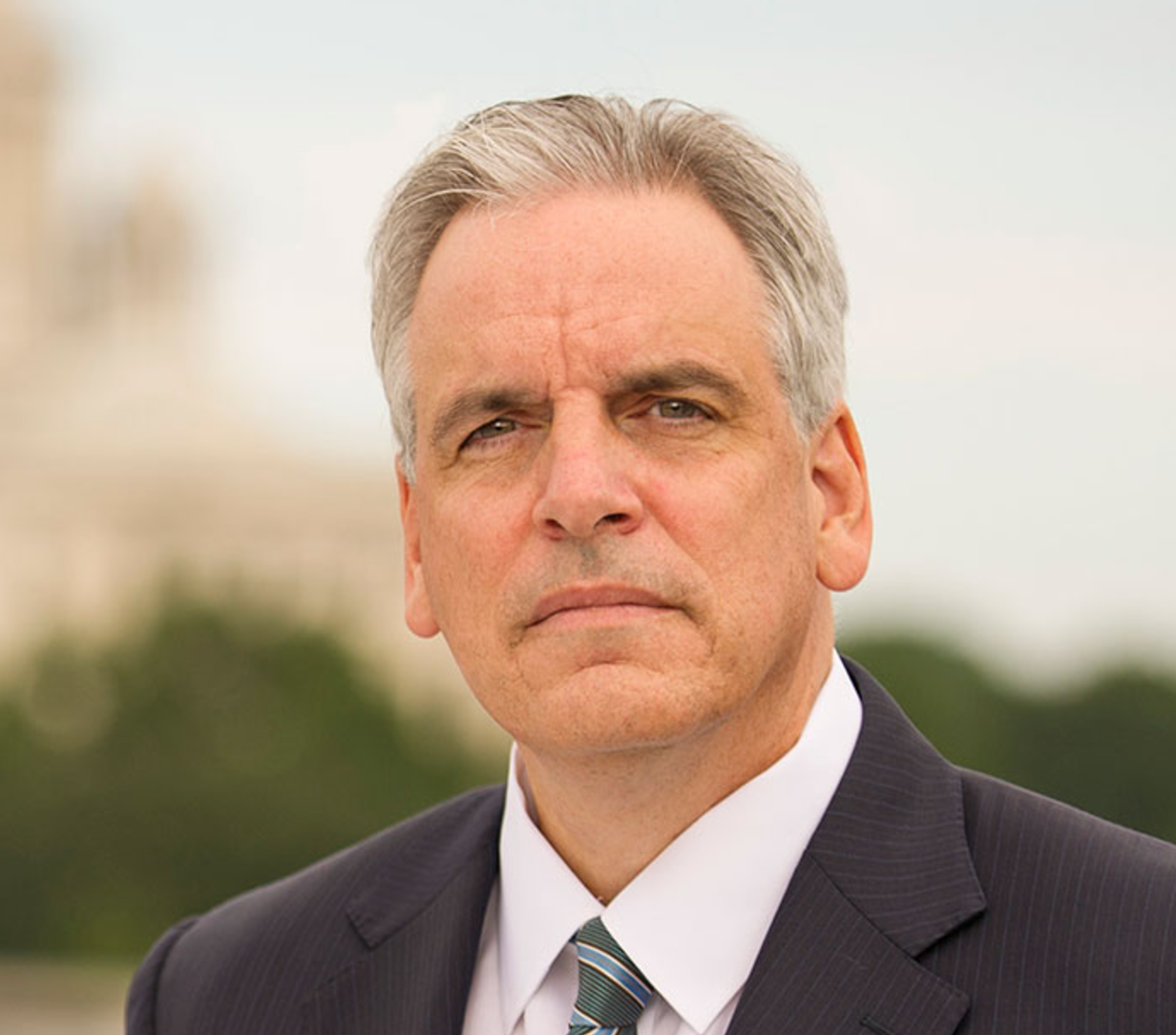
“I think that anything that would bring additional pension expertise into the process would be a good thing, and making the state of [a hospital] pension system an explicit criteria for evaluating the proposed conversion would seem to make a lot of sense," said Neronha.
Latest in Scrutiny
GET THE LATEST BREAKING NEWS HERE -- SIGN UP FOR GOLOCAL FREE DAILY EBLASTIn 2014, Attorney General Peter Kilmartin approved the acquisition of CharterCARE by Prospect of California and called the process a success. Just three years later, the pension fund of one group of employees was thrust into receivership with a deficit of tens of millions of dollars.
Kilmartin has a key role under Rhode Island’s Hospital Conversion Act and the law is very specific to the responsibilities of Kilmartin and his office, stating, “The department of attorney general [is] to preserve and protect public and charitable assets in reviewing both hospital conversions which involve for-profit corporations and hospital conversions which include only not-for-profit corporations.”
At the time of the agreement in 2014, Kilmartin said, “The transacting parties have worked diligently to provide regulators with the necessary documentation and information throughout this review process to make this decision, a decision I believe is in the best interest of Rhode Island’s healthcare marketplace, the community, the employees, and most importantly, the patients.”
Kilmartin said in his statement, “Conducting a hospital conversion review requires the commitment of a substantial amount of resources for the Office of Attorney General. I commend my staff for the time and careful consideration put into this review process.”
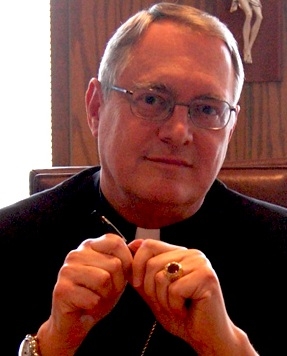
Neronha flagged that there are a number of issues that need reform. “The situation that the beneficiaries of the St. Joseph’s pension plan find themselves in is very troubling. The plan beneficiaries worked very hard, for many years, at relatively low salaries, and the prospect of their retirement benefits being dramatically reduced should concern all of us,’ said Neronha.
“The fundamental problem with ‘church plans’ like the one at issue here is that they are carve-outs from ERISA, and therefore not subject to federal regulation or insurance of any kind. Such plans are experiencing difficulties all across the country,” warned Neronha.
Presently, “church plans” are unregulated by any federal or state authority and beneficiaries may or may not receive any statements of the performance of the funds. The Diocese of Providence operates other “church plans.”
Diocesan Lay Employees’ Retirement Plan
According to a 2009 article in the Diocese of Providence’s newspaper, Rhode Island Catholic, the Lay Employees’ Retirement Plan was in distress and the benefits payouts were being cut back.
The then-administrative secretary to the Lay Employees’ fund, J. Timothy Kocab, said, “The plan’s assets…have declined significantly in value during the past several months.”
In addition, Kocab is quoted as saying, "These are necessary steps in order for us to refocus our resources on strengthening the funding position of the Lay Employees’ Retirement Plan.”
Kocab told Diocesan employees in a letter, "Your employer remains committed to helping you build financial security for your retirement years.”
The Diocese fiscal office has continued to refuse to answer questions about the St. Joseph pension fund bankruptcy, the Lay Employees’ Retirement Fund, or any other church funds associated with the Diocese of Providence.
“While subject to state regulation, the degree of any such regulation in Rhode Island, and elsewhere across the country, appears to be minimal. These plans should be fully funded, of course, and people who are the beneficiaries of them should know the financial status of them, to avoid being blind-sided,” said Neronha.
Neronha refused to say if Kilmartin and his office’s review was flawed, “That is difficult to answer without knowing what materials were made available both to the Attorney General and the Department of Health.”
“I am not in a position to evaluate that review at the moment, given that the facts, from what I can tell from press accounts, are still being developed, other than the unfortunate obvious: that some really hard-working people are facing a very difficult, substantial reduction in benefits,” he added.
10 Things to Know About One of Biggest Pension Failures in RI - St. Joseph Receivership

Biggest Pension Failure Ever in Rhode Island?
There is not a record book, but according to a number of top bankruptcy attorneys, the failure of the St. Joseph Health Services Pension Fund impacts the most individuals and the adverse financial impact will be the highest percentage impact to the retirees' monthly payments in Rhode Island history.
In Central Falls, by 2014 then-Governor Lincoln Chafee signed legislation that upped police and fire beneficiaries to 75 percent of their benefits. The cost of the legislation — post-Central Falls bankruptcy — was $4.8 million.

Kilmartin’s Role in the Hospital Conversion Act
Attorney General Peter Kilmartin won’t answer questions about his role in the approval of the Hospital Conversion of St. Joseph Health Services to CharterCare. GoLocal has repeatedly reached out to Kilmartin to answer questions, without response.
As part of the review of the deal, Kilmartin, as Attorney General, had the responsibility to review and approve the financial viability of the transaction. The Hospital Conversion law is very specific to the responsibilities of Kilmartin and his office.
"The department of attorney general [is] to preserve and protect public and charitable assets in reviewing both hospital conversions which involve for-profit corporations and hospital conversions which include only not-for-profit corporations.”

Number Impacted
The bankruptcy of St. Joseph Health Services pension fund will impact between 3,600 and 3,800 existing or future pensioners — and the loss of pension payments may be 40 percent, according to court-appointed receiver Steven Del Sesto, a partner at Donoghue Barrett & Singal.
However, Del Sesto said the plan for winding down the pension fund is only in the preliminary phase.

How Many Are Presently Receiving Benefits
According to the receiver, attorney Stephen Del Sesto, there are 1382 active/vested who have reached retirement date; 639 active/vested who reached early retirement, for a total of 2,021.
On average, retirees are receiving just $425 between the two classes. The retirees are facing a 40 percent reduction — thus, the average retiree would receive just $255 per month.

Kilmartin Called the Plan "Best Interest of...Employees"
At the time of the agreement in 2014, Kilmartin said, “The transacting parties have worked diligently to provide regulators with the necessary documentation and information throughout this review process to make this decision, a decision I believe is in the best interest of Rhode Island’s healthcare marketplace, the community, the employees, and most importantly, the patients.”
Kilmartin said in his statement, “Conducting a hospital conversion review requires the commitment of a substantial amount of resources for the Office of Attorney General. I commend my staff for the time and careful consideration put into this review process.” Kilmartin's office has refused to respond to questions from GoLocal regarding the collapse of the fund.

How Much Will the Receiver be Paid?
Stephen Del Sesto, the receiver for the St. Joseph Health Services Pension Fund, said he will be paid $375.00 per hour -- which is more than the average retiree will receive per month after the 40 percent cut in benefits.
“My fees will not be paid from the plan assets,” said Del Sesto in an email to GoLocal.

Role of the Diocese of Providence
According to to the document filed with the court seeking bankruptcy protection, the fund or petitioner “has been affiliated with the Catholic Church — “as an affiliate of the Catholic Church, the Plan Qualified as a 'church plan,' which is exempt from the provisions of the Employment Retirement Income Securities Act of 1974 (ERISA) governing defined benefit pension plans.”
And, as a “church plan” the fund and the Diocese were not required to make a minimum contribution to the Plan, or “make pension insurance payments to the Pension Benefit Guaranty Corp."

Will the Receiver Seek a New Actuarial and an Independent Audit?
Stephen Del Sesto, the receiver, said he does not know yet if he will seek an independent actuarial and call for a forensic audit.
He is less than a week in his role and told GoLocal that he would need the court's approval to move forward with both steps.

Big Date
The big date for this case is October 11 -- at that time the receiver Stephen Del Sesto will present the full plan of action.
Payment levels and payment dates will continue at present level, "nothing will change until October 11," said Del Sesto.

Big Question
The biggest question swirling over the sale of St. Joseph's to CharterCARE and the bankruptcy is how could Attorney General Peter Kilmartin approve the sale with the only condition relating to the pension fund was a one-time $14 million payment in 2014 as part of the approval process -- and then just three years later -- the fund collapses.
The present fund has a balance of approximately $85 million. According to court documents filled as part of the bankruptcy petition, the actuarial claims the fund has a shortfall of $43 million.


