


Fox Goes to Jail: Political Experts on Rhode Island Impact
Kate Nagle, GoLocal Contributor
Fox Goes to Jail: Political Experts on Rhode Island Impact
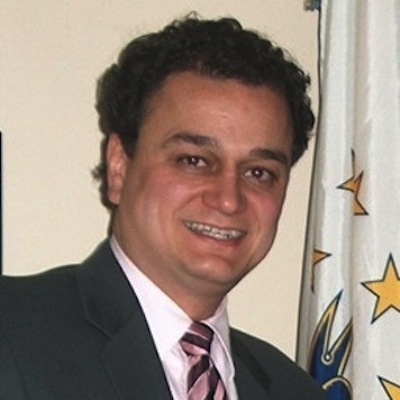
"This is the biggest corruption case in recent history. It is a shocking abuse of power that should send warning signs to other public officials," said Darrell West, Vice President of Governance Studies at the Brookings Institution. "It is hard to conceal evidence in a case like this."
Fox was found to have taken $52,000 in bribes from Shark Sushi on Thayer Street in return for a liquor license -- while serving on the board of licenses. In addition, Fox was found to have used over $100,000 of campaign contributions for personal use.
GET THE LATEST BREAKING NEWS HERE -- SIGN UP FOR GOLOCAL FREE DAILY EBLAST"Rhode Island continues to show itself to be "a state for sale, and cheap" as Lincoln Steffens wrote over a century ago. U.S. Attorney Nehrona was right on when he said that we need to change the culture of Rhode Island," said John Marion, Executive Director of Common Cause of Rhode Island. "But we also need to change some of our practices, such as not policing conflicts of interest among legislators and not regularly auditing campaign finance fillings."
Corruption on Context?
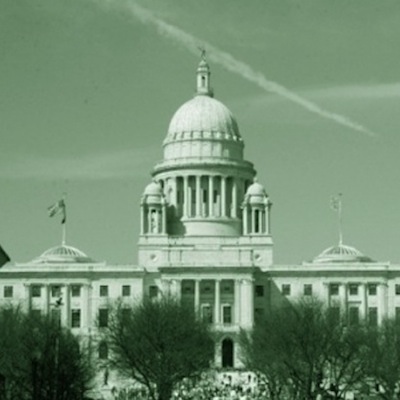
"While the dollar amounts in the Fox case are big, and his brazen behavior is breathtaking, this is certainly not one of the biggest cases of political corruption in Rhode Island history," said Roger William Professor of Political Science June Speakman. "As far as we know, both the bribe and the diversion of campaign funds were the work of Mr. Fox alone, while a case like Plunderdome involved multiple wrongdoers using City Hall as the base of a criminal enterprise, leading to several jails terms and involving a much wider web of corruption."
"U.S. Attorney Neronha pointed out that in recent years, he has filed federal charges against three council members, one mayor, a state senator and Deputy Speaker, and now a speaker," continued Speakman. "Even with all that, though, the late 1980s and early 1990s were a period of more prosecutions involving more money and arguably more significant crimes like extortion. During that period, there were at least twenty convictions for public corruption, including Governor DiPrete and Mayor Cianci, as well as the impeachment trial of Chief Justice of the Rhode Island Supreme Court, Joseph Bevilaqua."
Brown University Professor of Political Science Wendy Schiller spoke to the Fox case in historical context.
"I am not sure this is the bigger than [former Providence Mayor Vincent] Cianci in terms of taking down a near mythological figure in Rhode Island politics but we should all hope that this very sad day is a real turning point in [state] politics," said Schiller. "This past November, Providence city voters rejected the corruption of its past by choosing Elorza over Cianci, and now with the Fox guilty plea, Rhode Island state voters are able to move on and demand transparency and honesty from their elected officials across the board. But voters will have to remain vigilant themselves to really rid the state of the kind of corruption that has been so dominant for so long."
What Does it Mean for Rhode Island
As for looking forward, historian and former Common Cause Rhode Island head H. Philip West, Jr. offered ways for Rhode Island to improve its image -- and committment to clean government.
"Our state has some of the strongest open government and accountability laws in the United States. The Chicago-based Better Government Association ranked Rhode Island 2nd in the nation in 2002 and 2008 or 1st in 2013. But since a badly flawed decision by the state Supreme Court in 2009 (William Irons v. RI Ethics Commission), the General Assembly has refused to let the people vote to bring state legislators—like all other public officials in the state—back under the jurisdiction of the Rhode Island Ethics Commission," said West.
"Beyond that, the Attorney General and State Police need to beef up investigation of white collar crime," continued West. "Rhode Islanders should not have to rely on federal authorities to investigate our political corruption."
Photos From U.S. Attorney Neronha's Press Conference Regarding Gordon Fox

US Attorney Peter Neronha
Neronha announces charges filed against former Speaker of the House Gordon Fox.

Attorney Gen. Kilmartin
Rhode Island Attorney General Peter Kilmartin calls the plea agreement the close of "yet another sad chapter for Rhode Island politics."

Vincent Lisi, FBI
Vincent B Lisi, Special Agent in Charge of the Boston Field Office of the FBI, speaks at the announcement of charges filed against former Speaker of the House Gordon Fox. "If you are a corrupt individual, the boys in the band will track you down," said Lisi.

William Offord, IRS
Special Agent in Charge of IRS Criminal Investigation William P. Offord speaks at the announcement of charges being filed against fromer Speaker of the House Gordon Fox, at the US Attorney's Office in Providence on Tuesday, March 3, 2015.

Col. O'Donnell, RISP
Col. Steven O'Donnell, Superintendent of the Rhode Island State Police, speaks Tuesday, March 3 at the announcement of charges against former Speaker of the House Gordon Fox.


