


Guest MINDSETTER™ Don Grebien: A Fiscal Crossroads for Pawtucket
Don Grebien, GoLocalProv Guest MINDSETTER™
Guest MINDSETTER™ Don Grebien: A Fiscal Crossroads for Pawtucket
When public issues become heated, and personal emotions run high, perhaps the first casualty is the ability to maintain focus on the longer horizon and keep everything in perspective. That seems to be the case now in the City of Pawtucket, as we seek every reasonable way possible to get our fiscal house in order, in a community whose public employee-related obligations alone are more than five times the annual municipal budget supported by our taxpayers.
Since before taking office less than two years ago, my administration has worked closely with the state Department of Revenue and other top state officials on a five-year plan aimed at creating a sustainable financial future for our community. Moving decisively in that direction has required many tough choices, inevitably entailed by putting difficult decisions into place.
GET THE LATEST BREAKING NEWS HERE -- SIGN UP FOR GOLOCAL FREE DAILY EBLAST
In the first year of my administration, moving decisively meant reducing our workforce by more than 50 employees, which was not accomplished without some layoffs but fortunately mostly through attrition. As jobs went unfilled, duties piled up for our dedicated workforce that worked hard to do more with less. Already halfway through that fiscal year, working closely with the City Council we were able to reduce an inherited current-year deficit of more than $12 million by fiscal year-end. But the underlying structural deficit, just as large, has remained. The looming threat of bankruptcy, make no mistake, remains very real if we fail to continue to act decisively.
There is no single magic bullet that can solve a problem so large, so we have sought avenues of cost savings, large and small, and opportunities for economic growth wherever we are able to find them. Some of those smaller savings have come from our department directors serving in dual capacities, such as the finance director also overseeing human resources, and the director of administration, who served his first few months at no salary, also taking on the role of public safety director at no additional compensation, despite some printed reports to the contrary.
We have left openings vacant in our fire and police departments and worked to reduce their overtime, without compromising public safety. We conducted the first comprehensive fire department review, a study topping 300 pages and more than 100 recommendations, seen in decades. Everywhere, we have implemented reorganizations and introduced greater efficiencies. In one smaller ticket item, by the most recent count we have reduced the number of city cell phones by more than half. And as mayor, I was able to chip in by again declining the city health benefits plan as well as the scheduled upcoming pay raise provided under city ordinance for the office I am privileged to hold.
An adjustment last year in the new health benefits contract with our provider saved the city $600,000 a year. This year, outsourcing the long under-utilized transfer station to a private operator saved an annual $750,000 without any city workers being put out of employment. Thanks to the Governor’s organizational assistance, we will be soon be exploring shared municipal services with other communities as another more cost-effective way to conduct city operations while maintaining the high level of service our taxpayers expect and deserve.
Because cutting costs cannot, by itself, be a prescription for future growth, we included provisions in the agreement with the transfer facility’s private operator under which the city can significantly grow revenues going forward. Similarly, we will soon be seeking formal proposals on how to best redevelop the landmark city property on Division Street, after bringing years of overhanging litigation to a successful conclusion, to bring more revenue while enhancing the city’s growth.
These are only a few examples of what we have undertaken to help get our city once again moving in the right direction. We expect another step forward to come when the special panel that I formed to examine the city’s pension obligations issues its report on October 25th. I am already impressed by demonstrations of how the interactive analytical model, which panel chairman Ernest Almonte and his firm created for the purpose, will work, and look forward to seeing the nuts and bolts of the options the panel will have in its report.
It is in this overall context of responsible action in the face of extreme financial necessity that my administration sought vendor proposals regarding the privatization of city sanitation services. Those who say the process has not been open and transparent are ignoring, first, the simple fact that a City Council member sat on that board when it voted back in January to seek the RFPs. All the board’s meetings are open and publicly posted, as was the RFP issued on May 14, including on the city and Secretary of State websites. While the city’s numbers, showing millions of dollars in savings, have not changed during this process, we have listened closely to every union proposal that attempted to match the clear savings as submitted by the lowest-bid vendor, and responded to every union question.
What makes such a decision truly difficult is that not only are millions of taxpayer dollars at stake but so are the livelihoods of city workers who are well known to so many of us. That’s why in our talks with the union we have emphasized that we are very confident the changeover can be accomplished without one current city worker going without employment.
Over the course of my administration’s work to address our City’s financial plight, two credit rating agencies have affirmed our bond rate at investment grade, and one agency last November improved our credit outlook to stable. Those achievements were the result of a lot of hard work by a lot of hard-working people. More hard work however remains ahead of us.
As I wrote in a recent letter to the City Council, it has been the accumulation of many decisions over many years, or the lack of them, that has brought the City of Pawtucket to the “critical fiscal crossroads” where we find ourselves now. Responsible long-term solutions, not a return to the politics that have brought the city to the fiscal plight we have today, will be needed as we make the decisions needed to move the city toward a sustainable financial future.
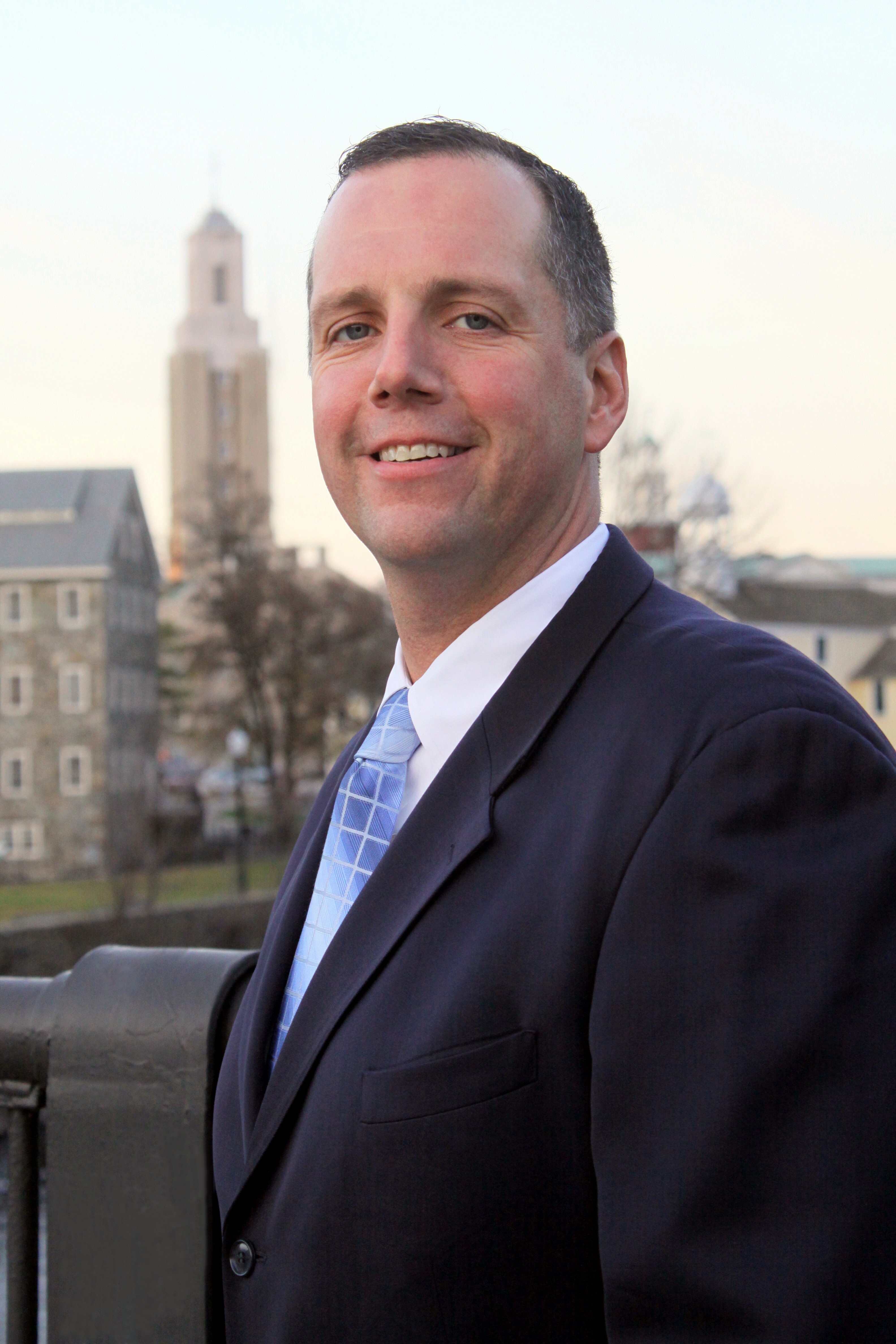
Don Grebien is the Mayor of Pawtucket.