


INVESTIGATION: Fire Districts Break Property Tax Cap
Stephen Beale, GoLocalProv News Contributor
INVESTIGATION: Fire Districts Break Property Tax Cap

Under state law, cities and towns may only increase their tax levies by a certain percent each year, ranging from 5.5 percent when the law first took effect in 2007 to 4 percent in the current fiscal year. But the law omits any mention of fire districts, a loophole that leaves nearly two hundred thousand Rhode Islanders unprotected from potentially steep increases.
GET THE LATEST BREAKING NEWS HERE -- SIGN UP FOR GOLOCAL FREE DAILY EBLAST
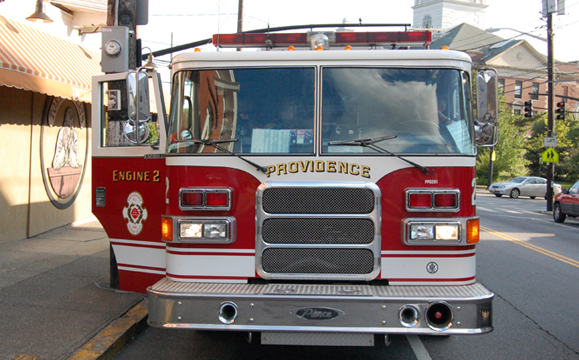
“We would question why they should be exempt from the cap,” said Ashley Denault, the research director at RIPEC, noting that fire services in communities like Providence fall under the cap since they are part of the municipal government.
She said the disparity distorts the statewide picture when it comes to comparing tax rates by city or town. Communities with fire districts may appear to have lower residential rates because the fire district rates are not reported separately, Denault said.
“Most people may be surprised to learn that the so-called tax cap does not apply to fire districts. It should. East Greenwich voters recently approved rolling that fire district into and under the authority of the town council,” said Lisa Blais, spokesperson for the OSTPA. “The obvious example of why E.G. may be the leader to follow is the fiasco in Coventry. Higher taxes aren't paying for greater safety—they’re paying for compensation packages that aren’t affordable or sustainable.”
Taxpayer: districts are ‘fiefdoms’ that squander money
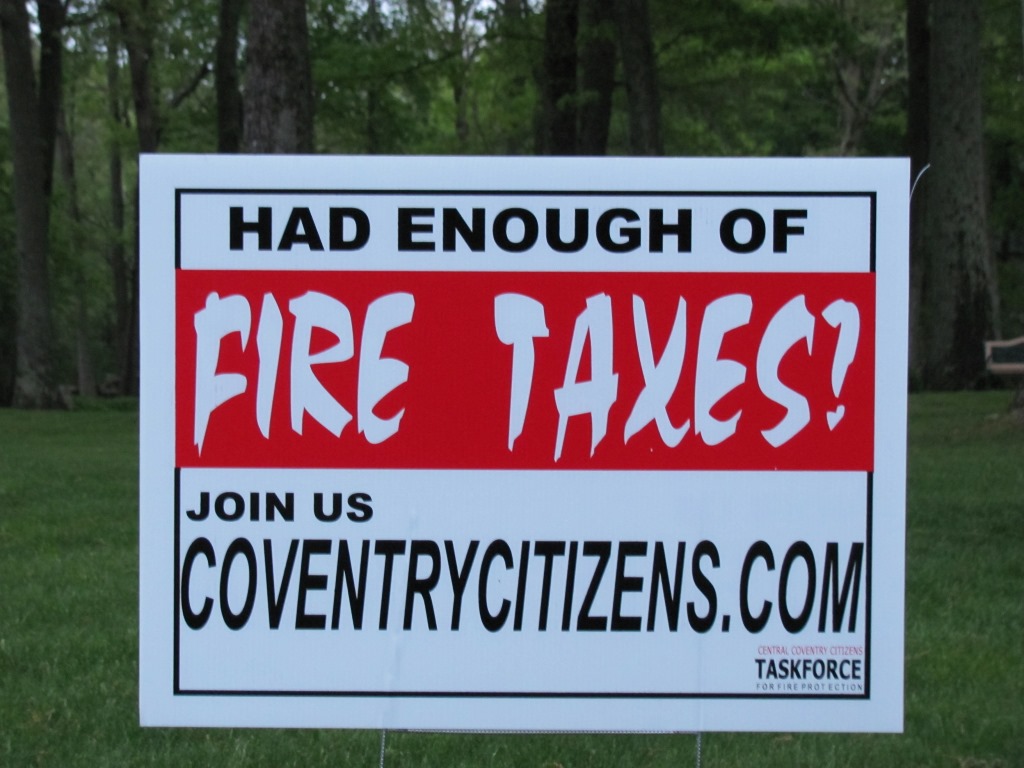
Near the top is the now-bankrupt Central Coventry Fire District, which had a 25.6 percent increase in its levy between 2010 and 2011.
Gralinksi said fire districts should be subject to the cap, describing them as “fiefdoms” that squander taxpayer money. He said the absence of a cap enables districts to tax and spend money without any long term planning. A tax cap, on the other hand, would force districts to be more disciplined with their budgets, he said.
Fire district leader says he supports tax cap
One proposed bill would extend the cap to districts. The measure, House Bill 5791, so far has yet to make it out of committee. In early April, the Municipal Government Committee recommended that it be held for “further study”—legislative lingo that can indicate a bill is effectively dead. The Finance Committee last week did the same with a similar version of the measure, House Bill 5930.
Should either measure pass some fire district chiefs said they would welcome it.
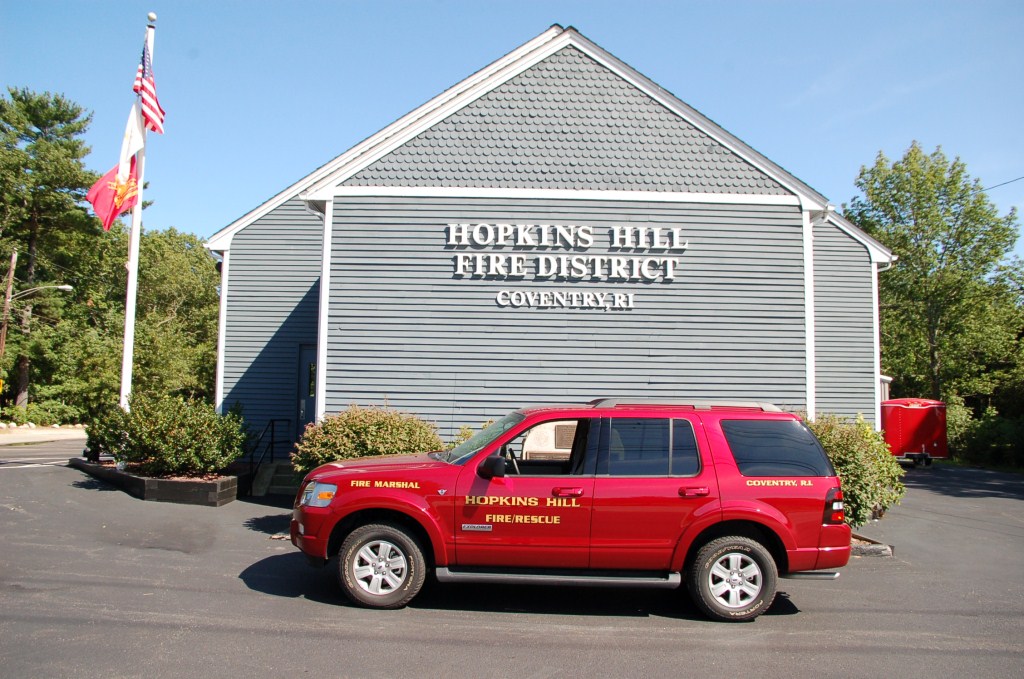
Frank Brown, the chief of the Hopkins Hill Fire District, said he supports the extension of the cap. He said the district is committed to fiscal responsibility and has always lived within its means. “This fire district has done its due diligence,” Brown said.
Even though his district has consistently exceeded the limit over the last three years, with tax levy increases between 6 and 7 percent, Brown said the district would be able to abide by the cap.
Perhaps more notable than the increases is the difference between the residential and commercial rates. In Hopkins Hill, the commercial rate at one point was double the residential. The possibility of such gaps is yet another example of where fire districts do not have to follow the same rules as cities and towns. State law mandates that cities and towns do not have a greater than 50 percent variance between the rates for different classes of property.
But four fire districts currently have a greater than 50 percent difference in their rates, according to RIPEC: Cumberland, Albion, Lonsdale, and Saylesville. (See below tables for more.)
As with the tax cap, Brown said he has no objections to also limiting the variance in the tax rates for his district—as long as every other fire district is subject to the same rule.
Tax cap debate divides fire chiefs
Other fire chiefs told GoLocalProv that the tax cap should not apply to fire districts.

For a district that has an annual budget of about $80,000, a new fire engine or ladder truck, which cost in the hundreds of thousands of dollars, represents a major increase in the budget.
A common approach is to spread such costs over several years, through a lease-purchase arrangement. In the Saylesville Fire District, also in Lincoln, taxpayers are spending $64,000 annually for 12 years to buy a new ladder truck, according to Bob Fisher, the deputy chief. But for a budget that has hovered around $660,000 in recent years, such an expense would constitute a 10 percent increase in the levy in the first year it was incurred.
“It would be hard for us to be put under the cap,” Fisher said.
The fire chief at Albion Fire District, Rick Andrews, said he had no problem with having a cap on fire district taxes, as long as it had exemptions for when new equipment needed to be purchased.