


Lame Duck Prov Officials Giving Out New Tax Breaks to Developer
Stephen Beale, GoLocalProv News Contributor
Lame Duck Prov Officials Giving Out New Tax Breaks to Developer

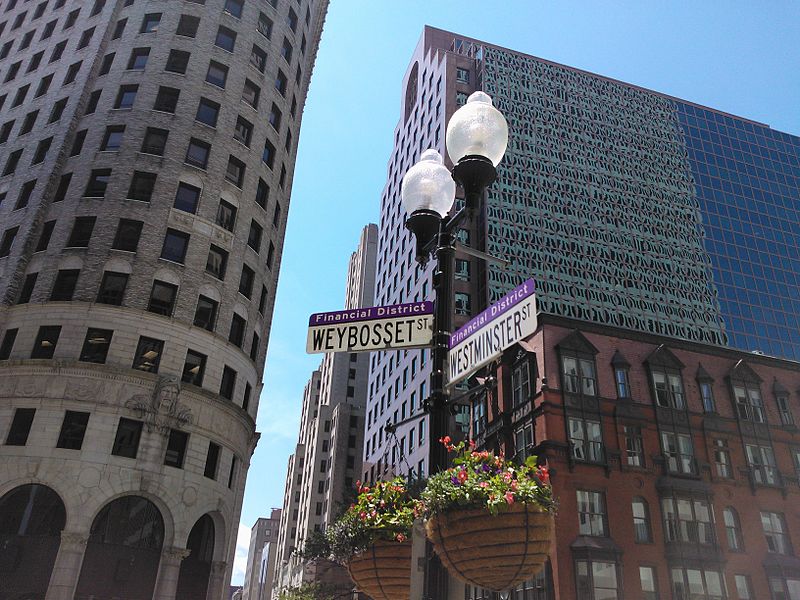
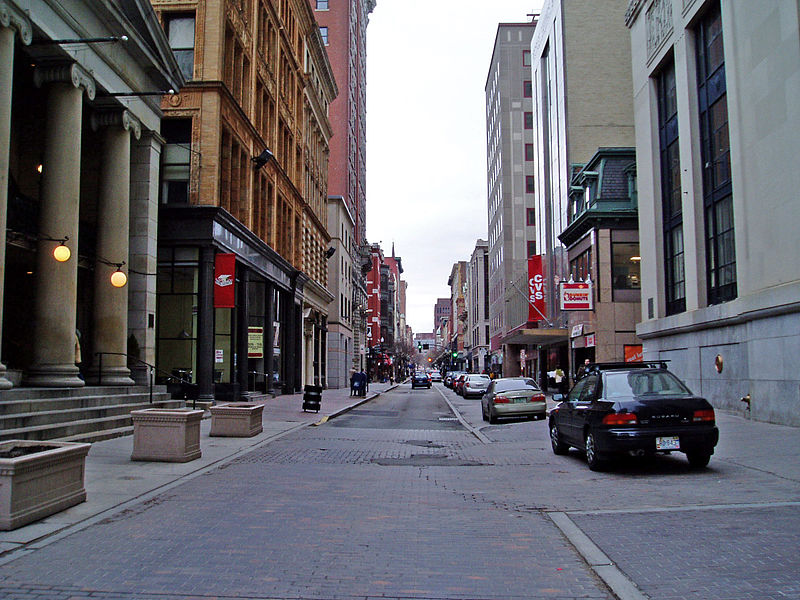
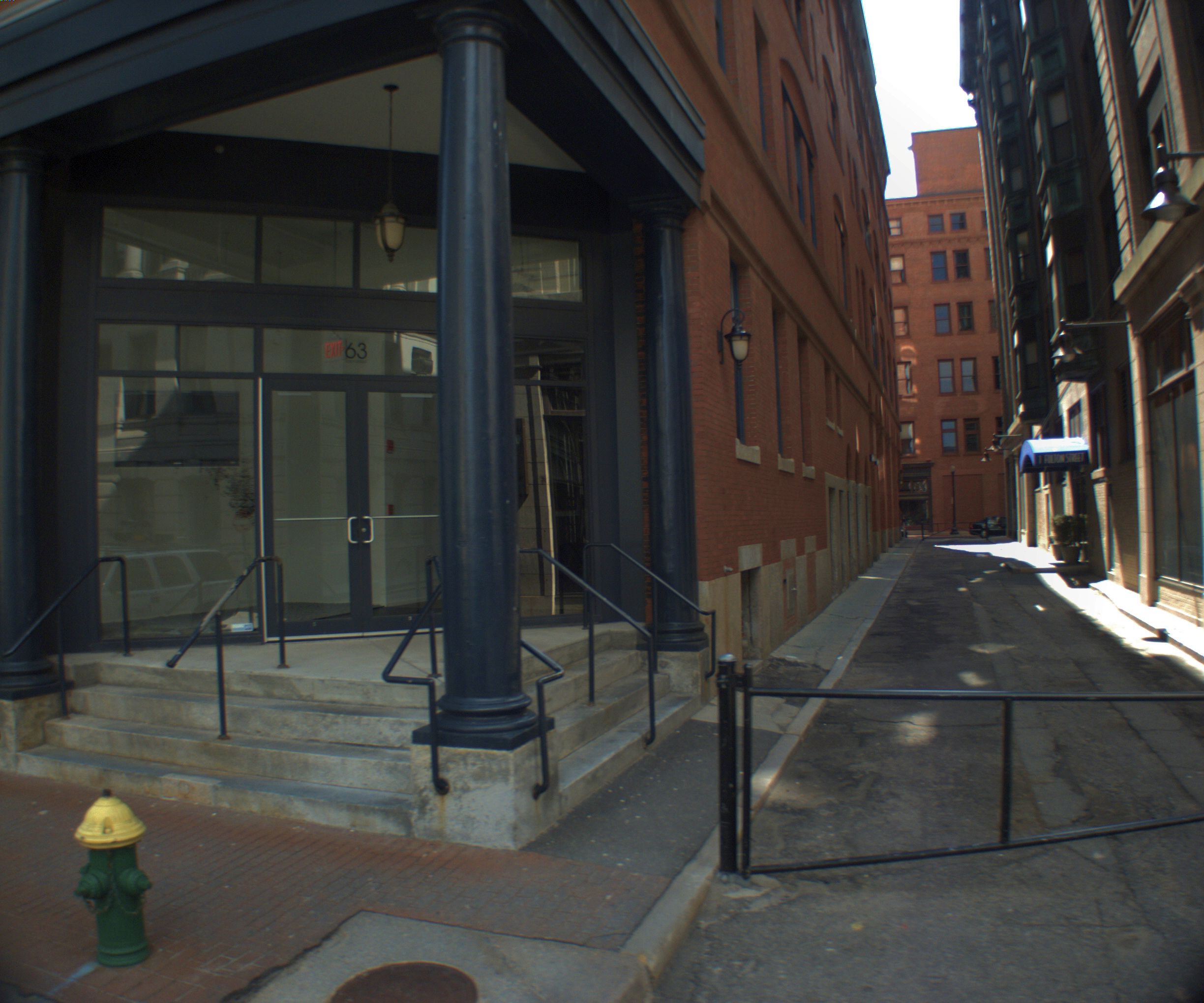
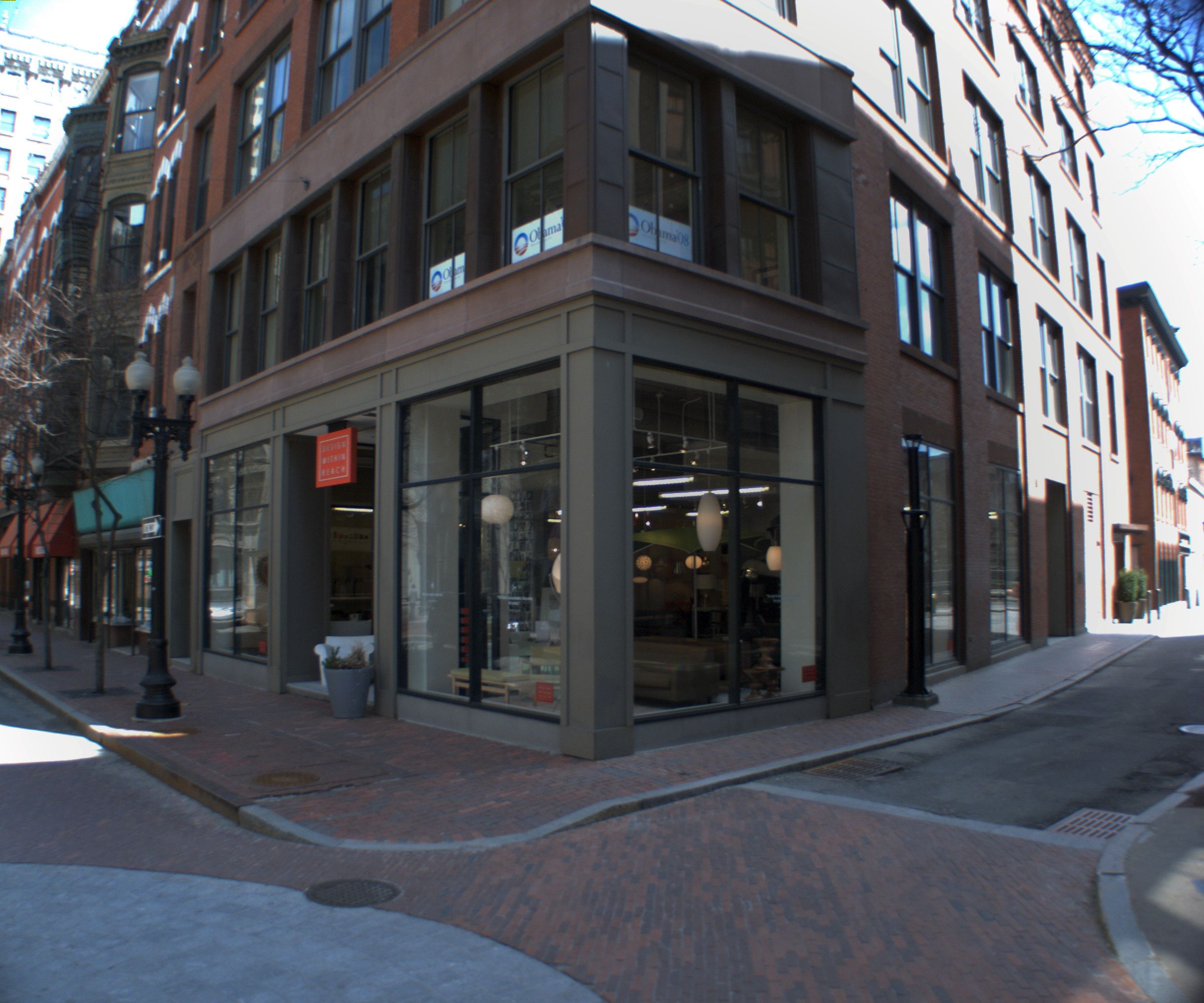
The five-year extensions are for tax stabilizations agreements for 210, 220, 236, and 249 Westminster Street.
The extensions were first introduced in the city council in June, but they promptly dropped from public view after a public hearing in July, resurfacing in late September. Now, with the election one month away, the city council is one vote away from approving them.
GET THE LATEST BREAKING NEWS HERE -- SIGN UP FOR GOLOCAL FREE DAILY EBLASTSome are saying that Mayor Angel Taveras and City Council President Michael Solomon—both lame ducks who will not be returning to office in January—should leave it to the next city administration and council leadership to set policy on agreements (also known as TSAs).
Two candidates for Mayor and one contender to be the next council president told GoLocalProv they think the council should wait.
A spokesman for Democratic mayoral candidate Jorge Elorza suggested that it might be too late to put the brakes on these extensions. But he says the council should hold off any more. “This issue is likely moot because the City Council has already vetted and voted on these extensions. Judge Elorza’s priority is that going forward, the City not grant new tax stabilizations or extensions of existing agreements until an administrative policy has been implemented that takes politics out of the process,” said the spokesman, David Ortiz.
Republican candidate Dan Harrop not only opposes any more extensions, he says the existing agreements would be voided by his plan to take the city into receivership.
Impact on budget questioned
Harrop also questioned the prudence of extensions that will lop off $1.5 million in tax revenues for the next five years after a report revealed that next year the city will be facing budget deficit as high as $24 million.
“We are unable to fund our schools or community centers, unable to hire police, even with the near highest commercial tax rate in the country,” Harrop said. “The city is, essentially, insolvent. We are the little old man, sitting at home and eating cat food while suffering chest pains because he cannot afford his heart medications, even if we have not actually bounced a check yet.”
“If the Council passes this extension, it only backs the incoming Mayor into a corner about his choices,” Harrop concluded.
One business group which has battled the city on tax rates also expressed concern about the impact on the budget. “Today it was reported that the city is being left with more than $20 million deficit by the lame duck mayor and council and yet they are intent on making the hole deeper by passing million-dollar tax breaks for a favored developer at the last minute. That’s not just lame duck, its lame,” said Mike Patch, President of the Providence Apartment Association.
The tax breaks on three of the four properties do not expire until December 31, 2015—well after a new administration has taken office. The fourth does not expire until December 31 of this year, just days before the change in administration. John Jacobson, a local investor and instructor at RISD, says Cornish Associates, the firm behind the deals, is trying to lock in the tax breaks before a new administration comes in.
“Cornish is negotiating their life raft before another administration,” Jacobson said, noting that a number of other developers with similar tax deals could be coming in for renewals after the election. “The rest of these people—they’re on the Titanic. There’s no life rafts for them.”
At least a dozen other such agreements are set to expire between the end of this year and the end of 2016, city records show.
Would be second extension for properties
All four Westminster properties have been paying less than full freight on property taxes for more than a decade. The deals date back to the early 2000s and were originally set to expire after ten years. They have already received one five-year extension under an obscure state law passed in 2010. (The properties are owned by four separate subsidiary corporations affiliated with Chace and his company, Cornish Associates.)
Instead, the ordinance says the extensions are necessary to prevent the projects from going under.
It states: “[G]ranting the extensions of the Project’s respective Tax Stabilization Plans will enable the Project Owners to work with new lenders to secure and maintain the financing that is essential to the survival and long term fiscal health of these Projects so that they can continue to generate benefits to the City.”
“[A] lack of relief will jeopardize the continued operation of these Projects, potentially causing a devaluation of surrounding property values, a loss of residential tenants downtown and an increased vacancy rate for real estate in the Downcity Arts and Entertainment District,” the ordinance adds.
“Cornish is in big trouble because their numbers do not work if they pay the taxes they’re supposed to be paying,” Jacobson said.
Business group cries fowl over unfair advantage
“The extensions are a straight bail out and are not what the City of Providence should be investing in. It is time for these buildings to pay taxes. Fifteen years is enough. It is time to let Cornish take responsibility for their business decisions and enter the market place like everyone else,” he added.
The policy debate also hinges over exactly who is more deserving of a reduction in property tax payments. Earlier this summer, Patch’s group successfully battled for a new ordinance that would cap the amount of taxes they pay. The ordinance was passed by the city council—over Taveras’ veto and the opposition of the council leadership.
After news broke about another looming budget deficit, one council leader blamed the tax cap for city landlords for contributing to the problem. Patch counters that the tax revenue due to the city once tax stabilization agreements expire would “substantially offset the costs” of the tax cap.
An official with Cornish Associates did not respond to a request for comment. Neither did Solomon or David Salvatore, the Special Committee on Ways and Means chairman who is running against Aponte to be council president.
Despite his concerns, particularly over the timing of the deals, Aponte said they contain some terms that protect the city’s interests. If the buildings are sold to a tax-exempt organization within five years of the expiration of the agreements, their current owners would pay a portion of the sales price to the city, on a sliding scale that depends on which year out from the expiration the sale occurs. The calculated tax payments are also tied to current valuations, according to Aponte.
The deals are also structured to placate critics who worry about the continued drain on the city coffees. In the first year of the deal the owners pay just 25 percent of what they would otherwise in property taxes. That increases to 40 percent in the second year, then 55 percent and 70 percent in successive years, culminating in payments that are 95 percent of what the owners would normally by paying.
Path to passage skirts public attention

For a while, the extensions went away. Then they popped back up on the agenda for the Ways and Means Committee on June 30 of this year. A public hearing followed on July 14. Then the tax break renewals faded into the background. Instead, earlier in the summer, the city council approved about half a dozen new tax stabilization agreements, including one for another building owned by a Cornish Associates affiliate, the Kinsley Building at 334 Westminster Street.
The extension on the four other Westminster properties did not resurface until a September 22 meeting of the Ways and Means Committee where they were sent to the council and passed an initial vote on October 2. The final vote is on October 16, according to the city clerk’s office.
The ordinance has the backing of Taveras, according to two sources in the real estate development community with knowledge of the deals. Both sources said Taveras, along with Solomon and Salvatore, had met with representatives of Cornish Associates earlier this year and agreed to the extensions.
A spokeswoman for Taveras confirmed the meetings, but she denied that there was any backdoor agreement. “Representatives of the Administration and the City Council have met in the past with Cornish Associates, as they do with many developers. Conversations are ongoing. Nothing has been agreed upon,” said the spokeswoman, Dawn Bergantino.
She would not say whether Taveras supports the extensions.
Tax Breaks for Developer - See the Special Deals

236 Westminster St.
Building Name: Alice Building
Assessed Valuation: $3,680,500
Taxes without TSA: $676,292
Taxes with TSA: $385,486
Difference: $290,806
Note: Payment estimates are based on current valuations and an assumed tax rate of $37.75 per $1,000 in value.

249 Westminster St.
Building Name: Peerless Building
Assessed Valuation: $12,843,700
Taxes without TSA: $2,360,030
Taxes with TSA: $1,345,217
Difference: 1,014,813
Note: Payment estimates are based on current valuations and an assumed tax rate of $37.75 per $1,000 in value.

220 Westminster St.
Building Name: Burgess/O'Gorman Buildings
Assessed Valuation: $2,004,800
Taxes without TSA: $368,382
Taxes with TSA: $209,978
Difference: $158,404
Note: Payment estimates are based on current valuations and an assumed tax rate of $37.75 per $1,000 in value.

210 Westminster St.
Building Name: Wilkinson Building
Assessed Valuation: $1,188,300
Taxes without TSA: $218,350
Taxes with TSA: $124,460
Difference: $93,890
Note: Payment estimates are based on current valuations and an assumed tax rate of $37.75 per $1,000 in value.


