


Marijuana, Taxes on Sugary Drinks & PPP Loans: What’s In, What’s Not in RI House Finance FY22 Budget
GoLocalProv News Team
Marijuana, Taxes on Sugary Drinks & PPP Loans: What’s In, What’s Not in RI House Finance FY22 Budget
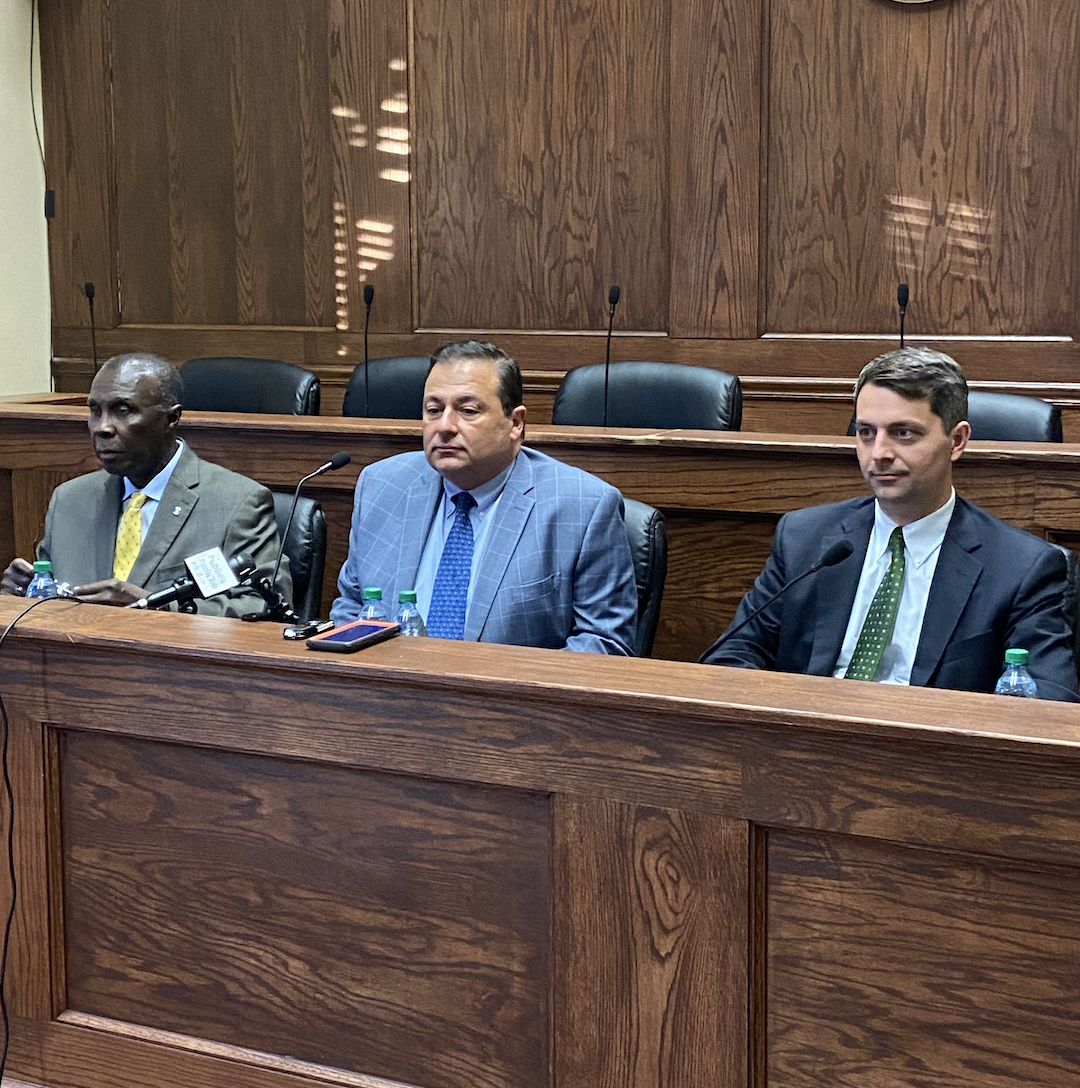
The $13.1 billion state budget (2021-H 6122A) which goes to the House floor for a vote next Thursday includes stimulus funds received by the state during the pandemic — but does not rely on the $1.1 billion in one-time federal American Rescue Plan funding for ongoing expenses.
PPP Tax
GET THE LATEST BREAKING NEWS HERE -- SIGN UP FOR GOLOCAL FREE DAILY EBLASTBusinesses in Rhode Island lobbied the General Assembly to increase the tax threshold from $150,000 to $250,000 of PPP loans.
“This is a smart compromise with revenues higher than projected for the State, as more of our members would have been affected at the original threshold. However, many of our members in the RISBC are smaller businesses that do not have $100,000+ monthly payrolls and therefore this largely does not affect our group,” said the RI Small Business Coalition in a statement.
“We understand the concerns of fellow business community members and specifically the roughly 7% of businesses that will now have to pay taxes on the loan amount greater than $250,000,” the added. “The RI Small Business Coalition will continue to fight for no new taxes on our small businesses, and we are pleased to see the budget reflect this mission.”
As House Speaker Joseph Shekarchi told GoLocal in April, marijuana legalization “might not get done this year” despite being in Governor Dan McKee’s budget proposal submitted to the Assembly — and was not in the House Finance budget approved Thursday night.
In a press briefing prior to the House Finance Committee hearing, Shekarchi noted the possibility the Assembly will come back for a fall session — which could address marijuana as a stand alone bill.
“It’s been an incredibly productive year in difficult circumstance — nursing homes [workers pay]; and IGT [Twin-River lottery extension] were left over that required intense hearings and substitutions,” said Shekarchi of big issues not resolved in 2022. “Marijuana is not in budget at all — the priority has already been the budget.”
This session, advocates for a sugary drink tax in the state said would help combat record hunger & obesity in Rhode Island.
“There wasn’t enough support in my caucus,” said Shekarchi.
Budget in Focus
Housing

The committee added another affordable housing provision to create within the Executive Office of Commerce a deputy secretary of commerce and housing who will oversee housing initiatives and develop a housing plan that will include affordable housing, strong community building and neighborhood revitalization efforts.
The committee also added a third new housing initiative, a $6 million pilot program that would use a “Pay for Success” model to create supportive housing with wraparound services for the chronically homeless population. The program is intended to improve the wellbeing of the individuals while also reducing their reliance on expensive emergency medical services and interactions with law enforcement.
Raising Pay for DCYF Head and More
The committee added a 30-percent benefit increase for Rhode Island Works, the state’s cash assistance and work-readiness program for low-income families. The rate has not been increased in 30 years. The current benefit, averaging $6 per person per day, is the lowest in New England. In February, 2,400 families were receiving Rhode Island Works benefits, including 5,578 people. Additionally, the committee included plans to ensure that the $100 yearly clothing allowance is paid to infants and toddlers, who are excluded from eligibility under current law. To improve parents’ readiness for employment and retention, the bill would exempt income from employment for six months when a parent starts a job, or until a household income exceeds 185 percent of the federal poverty line.
The committee also included funding to raise rates to subsidized child care providers above the governor’s proposed amount, and caps parents’ copays at 7 percent of income. Additionally, the committee included language keeping the emergency rate being paid to providers during the pandemic for the next six months, even if the emergency order is allowed to expires. The proposal includes full payment of the scheduled cost of living increase for nursing home caregiver rates and $600,000 for training CNAs.
The committee committed an additional $10 million above the governor’s recommendation to help the Department of Children Youth and Families address ongoing issues, including heavy caseloads and greater population needs resulting from the impacts of COVID. Included in the additional funds are authorization for 91 additional employees, 75 more than the 16 in the governor’s proposal. To attract a qualified candidate for the vacant DCYF director’s position, the budget includes authority to raise the salary, plus a commitment to a three-year contract. Health and Human Services Secretary Womazetta Jones told the House Oversight Committee last year that she’d been unable to find a qualified candidate who was willing to take the position for the salary offered.
Education

The committee restored funding to the Paul V. Sherlock Center on Disabilities, which provides services to the state’s blind and visually-impaired students, as announced last month. The sole source contract with the Sherlock Center was slated to expire on June 30, and it was announced earlier this spring that, under a master pricing agreement, the Rhode Island Department of Education would solicit bids from qualified vendors, which sparked an outcry from students and families.
In higher education, the committee added an additional $5.9 million beyond the governor’s proposal to help Rhode Island College address its financial difficulties.
The budget includes the $7.7 million needed to fund the Rhode Island Promise program, which provides two years of free tuition at CCRI to Rhode Islanders graduating high school. That program was made permanent by lawmakers earlier this year.
Bump in Movie Tax Credit and More
The committee renewed the expiring historic properties tax credit for one additional year with $20 million in new funding.
The committee included a one-time $10 million increase for the film and tax credit in 2022, making $30 million available for new productions next year.
The committee added $40 million to fund Eleanor Slater Hospital in its current form, without closing any of its buildings. The committee declined to include any of the proposal to reorganize ESH, which includes the Zambarano campus in Burrillville as well as the campus in Cranston. House Speaker Shekarchi said lawmakers need to vet that proposal more fully.
The committee included the governor’s recently revised proposal to replace the North Kingstown and Richmond State Police barracks with a single new $28.1 million barracks to be built in East Greenwich. The revised proposal would no longer require voter approval due to a different funding mechanism. The committee also concurred with the governor’s revised request to for $2 million over two years to renovate the Portsmouth State Police barracks.
The bill pays back all of the $120 million borrowed from the state’s “rainy day” fund at the early part of the pandemic in 2020. The committee included the entire amount in 2021, instead of spreading it over three years, as the governor proposed.
Although the committee declined to include funding for a proposal offered days ago by the administration to use $82 million in federal coronavirus aid to build a new state laboratory on a parcel of the state-owned former Route 195 land, legislative leaders have indicated their willingness to move forward with the proposal when the state receives more guidance on how its federal American Rescue Plan funding can be used.