


Nearly Half a Million Crashes & More Than 2,000 Road Deaths Each Winter - AAA Offers Driving Tips
GoLocalProv News Team
Nearly Half a Million Crashes & More Than 2,000 Road Deaths Each Winter - AAA Offers Driving Tips
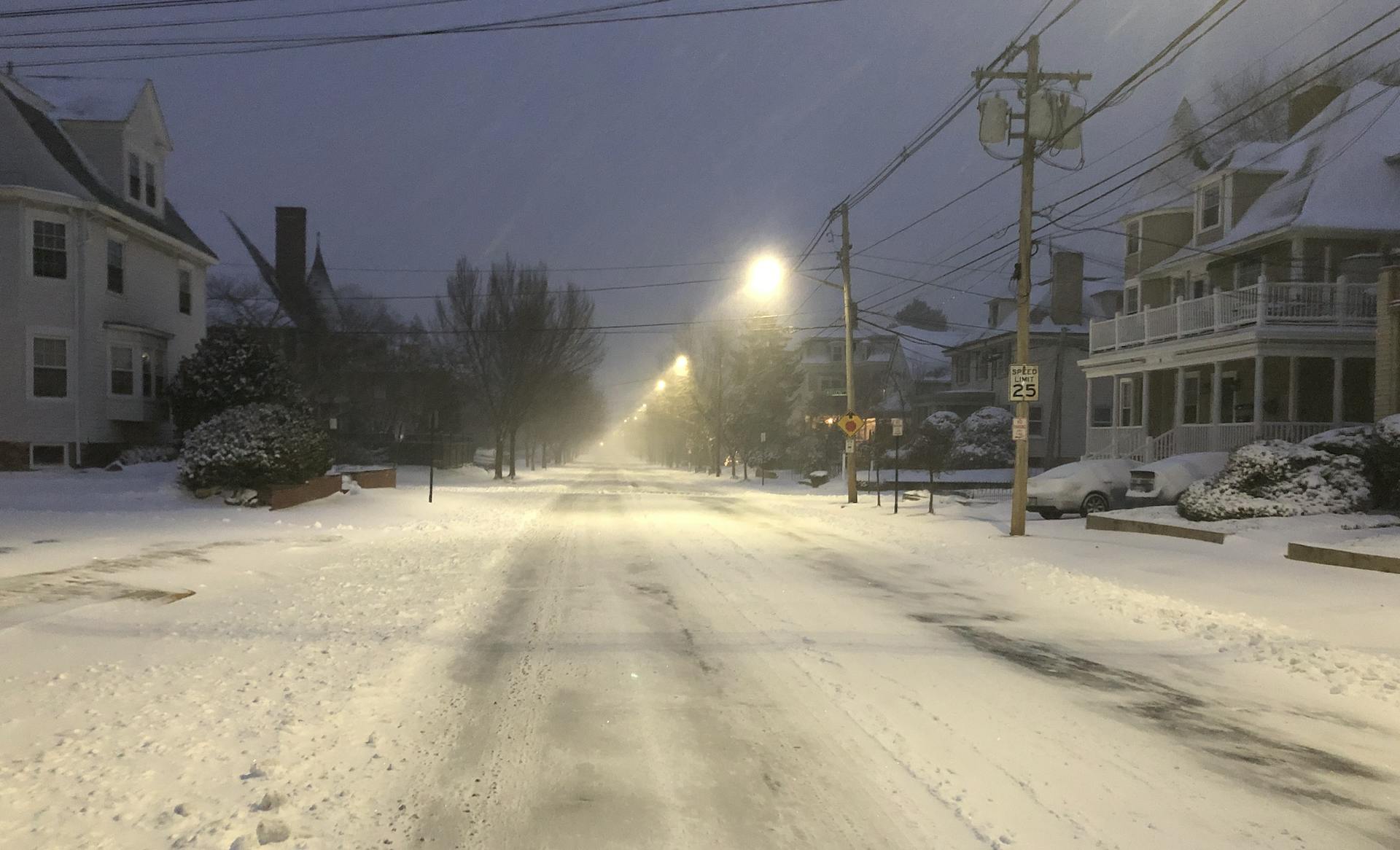
AAA encourages drivers to be vigilant when hitting the road this winter and to always stay prepared by carrying an emergency roadside kit in your vehicle.
“Winter weather, whether in the next three days or over the next three months, leads to a disproportionate number of crashes this time of year involving bad weather and winter storms,” said Mary Maguire, AAA Northeast Vice President of Public and Government Affairs. “Snow and sleet can cause significant safety problems by reducing visibility and making it difficult to safely maneuver or stop, but by being vigilant behind the wheel, motorists can help to reduce the number of crashes and fatalities.”
GET THE LATEST BREAKING NEWS HERE -- SIGN UP FOR GOLOCAL FREE DAILY EBLASTAAA recommends the following tips while driving in snowy and icy conditions:
- Stay home. If you really don’t have to go out, don’t. Even if you can drive well in bad weather, it’s better to avoid taking unnecessary risks by venturing out.
- Drive slowly. Always adjust your speed down to account for lower traction when driving on snow or ice.
- Check Your Tires. Make sure tires are properly inflated and have sufficient tread depth for grip in rainy or snowy conditions. Tires should be replaced if they have less than 4/32” of depth. In regions that receive light to moderate snowfall, all-season tires (M+S rated) should be sufficient. Snow tires are helpful in areas that receive heavy snowfall.
- Accelerate and decelerate slowly. Apply the gas slowly to regain traction and avoid skids. Don’t try to get moving in a hurry and take time to slow down for a stoplight. Remember: it takes longer to slow down on icy roads.
- Increase your following distance. Allow five to six seconds of following distance between your vehicle and any vehicle in front of you. This space allows you time to stop safely if the other driver brakes suddenly.
- Know your brakes. Whether you have antilock brakes or not, keep the heel of your foot on the floor and use the ball of your foot to apply firm, steady pressure on the brake pedal. Don’t pump the brakes.
- Don’t stop if you can avoid it. There’s a big difference in the amount of inertia it takes to start moving from a full stop versus how much it takes to get moving while still rolling. If you can slow down enough to keep rolling until a traffic light changes, do it.
- Don’t power up hills. Applying extra gas on snow-covered roads just starts your wheels spinning. Try to get a little inertia going before you reach the hill and let that inertia carry you to the top. As you reach the crest of the hill, reduce your speed and proceed downhill slowly.
- Don’t stop going up a hill. There’s nothing worse than trying to get moving up a hill on an icy road. Get some inertia going on a flat roadway before you take on the hill.
“More than 40 percent of motorists do not carry an emergency kit in their vehicle,” said Ms. Maguire. “Drivers attempting to brave bad weather should remain cautious and always be prepared by packing an emergency roadside kit.”
AAA recommends always keeping the following items in your “emergency kit” for winter driving:
Mobile phone and car charger
First-aid kit
Blankets
Drinking water/snacks for everyone in the car including pets
Flashlight with extra batteries
Rags, paper towels or pre-moistened wipes
Basic toolkit including duct tape and warning devices such as flares or reflectors
Ice scraper/snow brush
Jumper cables/jump pack
Traction aid such as sand, salt or non-clumping cat litter
Tarp, raincoat and gloves
Shovel