


How McKee Proposes to Spend $110M on Restaurants, Small Biz, and Daycare Workers
GoLocalProv News Team
How McKee Proposes to Spend $110M on Restaurants, Small Biz, and Daycare Workers

Rhode Island has been one of the last states to spend the ARPA funds.
“We’re writing Rhode Island’s next chapter now,” said McKee. "Rhode Island Rebounds represents a crucial, initial, short-term investment in Rhode Island’s families, workers and small businesses to keep our economic comeback going strong.”
GET THE LATEST BREAKING NEWS HERE -- SIGN UP FOR GOLOCAL FREE DAILY EBLASTMcKee’s announcement claims that the state’s "aggressive vaccination and public health responses have positioned Rhode Island as a leader as the country recovers from the pandemic.”
Rhode Island ranks 8th in the country for both cases and deaths per capita — combining for one of the worst responses in the nation statistically.
McKee’s spending plan includes:
The Governor’s budget amendment proposes investing $32 million in the future of RI's small businesses and impacted industries.
Small Businesses
- $12.5 million for direct grants to provide immediate financial support to small businesses affected by the pandemic with the aim of delivering 20% of these funds to minority-owned businesses
- $10.5 million for technical assistance to support businesses in capacity building and upgrading technical infrastructure,
- $7.5 million for increasing outdoor activities, maintaining clean and safe business districts, and for public health improvements like HEPA filters and ventilation,
- $1.5 million for outreach, reporting, compliance, and administration.
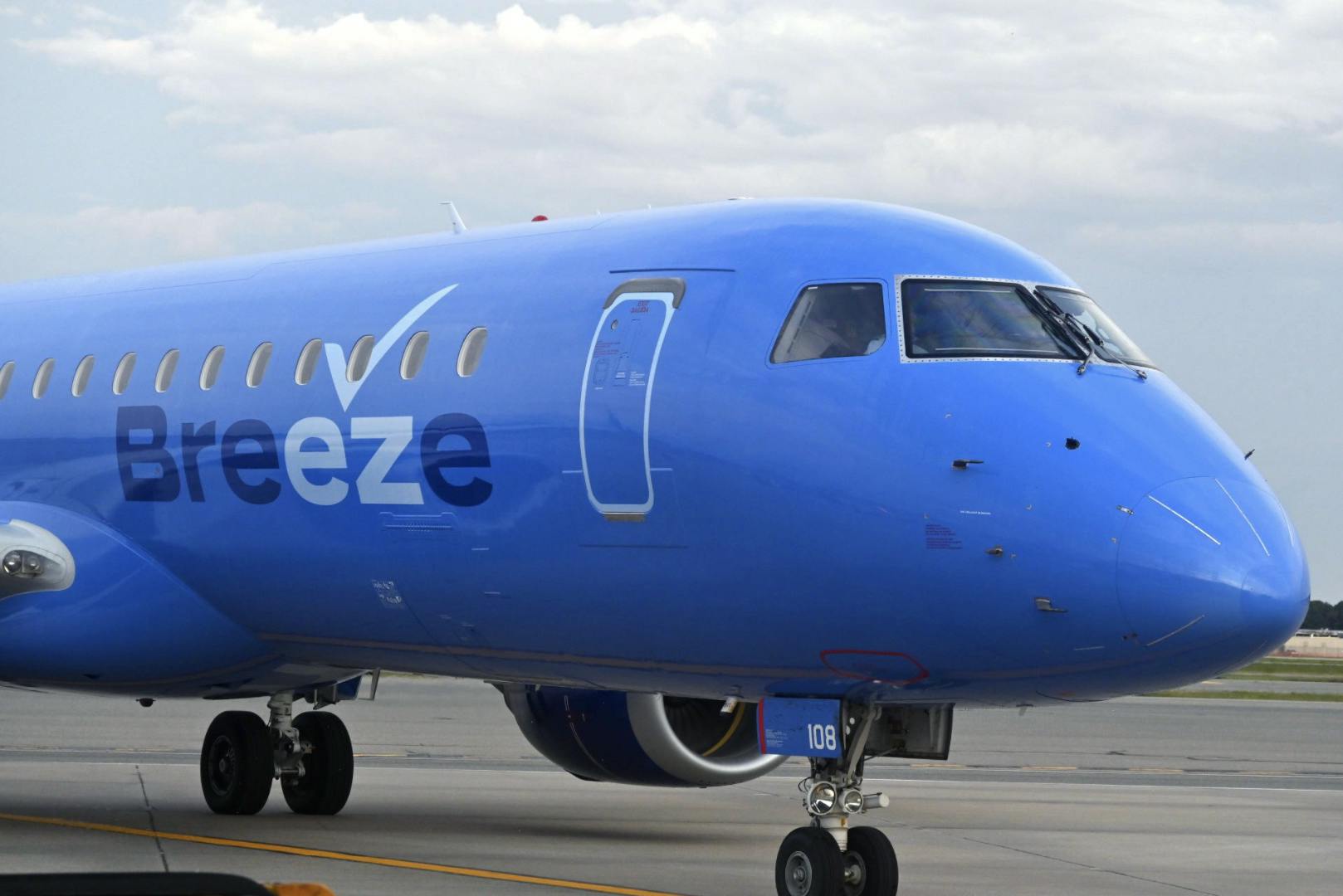
- $13 million in federal funds from the state’s allocation of the State Fiscal Recovery Funds to support the recovery of the travel, tourism, and events industries.
- Of this amount, $8 million will provide direct grants to support tourism, hospitality/travel, sports/recreation, arts/cultural and event businesses that either could not take advantage of previous opportunities for federal funding or require additional assistance.
- Another $3 million will be used to fund sub-awards to intermediaries (including municipalities, chambers of commerce, business improvement districts, etc.) for placemaking initiatives (e.g., public art installations, main street improvements, public or co-shared dining spaces, outdoor performance venues, etc.).
- The remaining $2 million will fund tourism marketing to be coordinated with the tourism regions and the Rhode Island Airport Corporation.
Pay Raises for DCYF Workers
$12.5 million in federal funds for the purpose of providing workforce stabilization payments to the direct care and supporting direct care staff of the service provider organizations contracted by the Department of Children, Youth, and Families (DCYF). These funds will provide for one-time (FY 2022 only) supplemental wage payments to recognize the demands placed upon these essential workers during the pandemic as well as to incentivize retention and recruitment.
According to McKee, "wiithout investment in this vital workforce, children in DCYF care may not have access to the services and supports they need due to staffing shortages." There are currently 37 DCYF-contracted service provider organizations employing up to 1,500 direct care workers.
Only employees earning less than $75,000 would be eligible for supplemental wages. The proposal provides for a payment equal to $694.50 per month per eligible staff member and allows eligible employees to receive a full 12 months of payments including retroactive payments to the beginning of FY 2022. As a result of this investment, the State anticipates stabilized capacity in DCYF-contracted services to address the needs of children and ensure the right placement options are available at the right times.
Pediatric Healthcare Recovery
As a result of the pandemic delays in routine vaccinations for children, developmental screenings, lead screenings, and other vital preventative care that ensures healthy development.
- $7.5 million of the funds will provide for stabilization grants and a pay-for-success program to pediatric primary care practices to retain staff, implement extended hours, conduct enhanced outreach, and bring on additional family supports, such as social workers, to address the crisis and ensure all families are caught up on care.
Early Intervention Recovery
- $5.5 million in federal funds for the purpose of assisting Early Intervention providers to mitigate the economic impact of the pandemic, recruit and retain workers, avoid further closures, and provide continued services to children with developmental needs. Of the funds, $4.5 million would be used to provide immediate stabilization grants, and $1 million would provide performance-based bonuses.
Stabilization grant award amounts would consider revenue losses in FY 2021 and FY 2022 and account for the increased cost of service delivery and workforce needs. Uses of this grant would include activities such as funding for staff salaries and bonuses, technology for outreach and engagement, and COVID-19 safety supplies. Performance bonuses would be based on targets/metrics that include retaining staff and reducing disparities in program engagement for Medicaid families and families of color.
Supporting Affordable Housing Production and Site Acquisition
Investing in Affordable Housing and Housing Stability Supports - $29.5 million.
A coalition of housing groups has requested $500 million be dedicated to build affordable housing.
McKee's down payment plan would invest $15 million to incentivize the development and renovation of affordable housing. The investment would be targeted at assisting individuals with an income below 80 percent of area median income. Additionally, McKee is proposing to invest $12 million in a property acquisition grant program. The funds would provide for a grant program administered by Rhode Island Housing that would finance the acquisition of properties for redevelopment as affordable and supportive housing. This initiative intends to increase the supply of quality affordable and supportive housing while strengthening our communities.
Promoting Housing Stability
Additionally, the Governor’s proposal would invest $1.5 million for housing stability, dedicated to expanded housing navigation, stabilization, and mental health services for families and individuals experiencing homelessness.
Building Capacity to Support Housing Production
The Governor’s proposal also requests $500,000 for the purpose of temporary contract staffing support at the Office of Housing and Community Development. The funds would provide for contract positions for an estimated six-month period focusing on areas such as research and data, stakeholder engagement, and a dedicated program director for homelessness programs.
Developing a Real Plan to Provide Affordable Broadband Internet
- $500,000 for broadband coordination and planning to lay the groundwork for thoughtful future, long-term investments. This initiative would allow the State to conduct mapping analysis and hire a broadband coordinator.