


New RI Regulations Bring Environmental Protection, Development and Affordable Housing Into Conflict
GoLocalProv News Team
New RI Regulations Bring Environmental Protection, Development and Affordable Housing Into Conflict
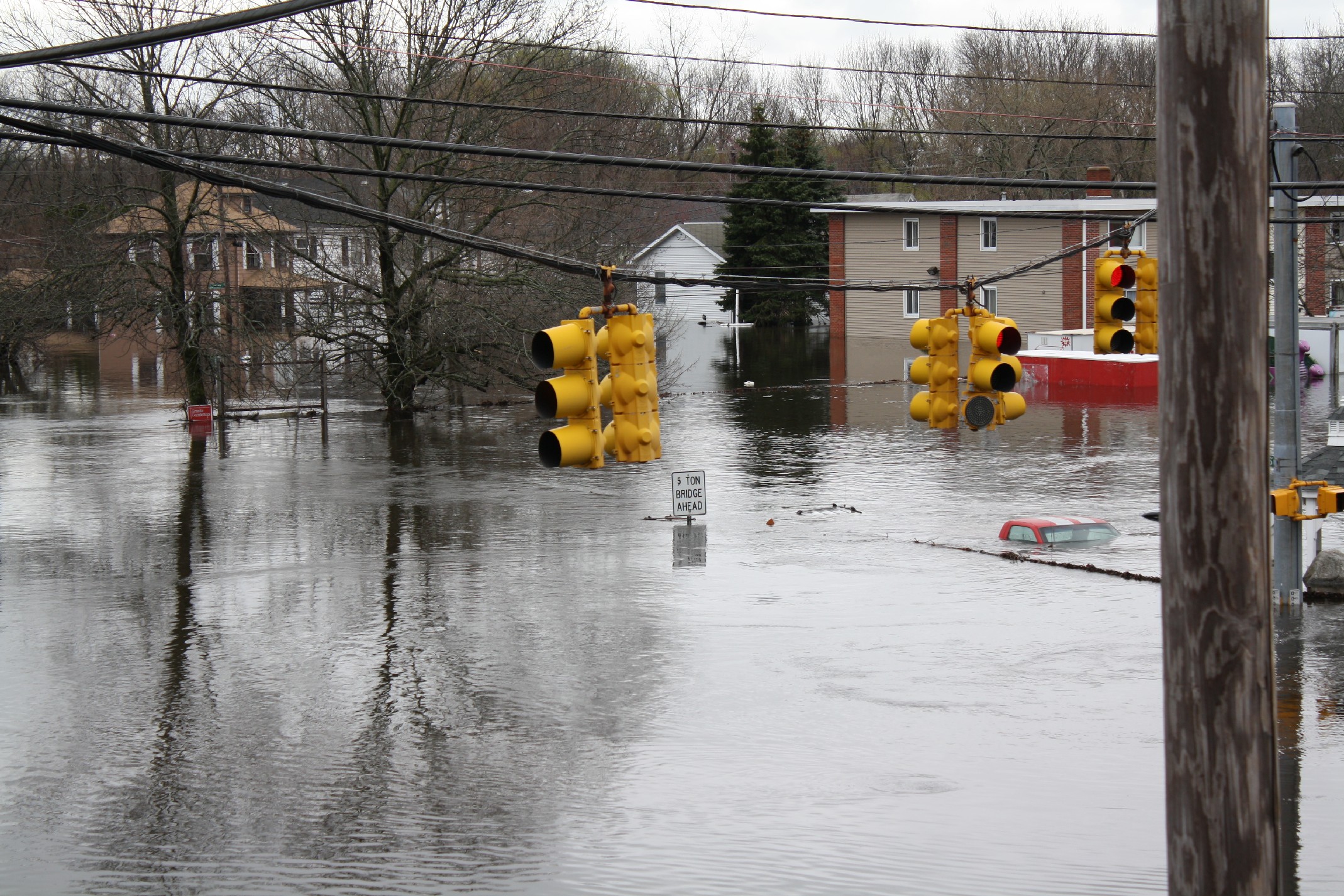
The regulatory changes come at a time, however, when housing advocates say Rhode Island's land-use restrictions are limiting the development of new affordable housing and driving up the cost to build.
GET THE LATEST BREAKING NEWS HERE -- SIGN UP FOR GOLOCAL FREE DAILY EBLAST
About Changes -- and Impact
The new Rhode Island wetlands regulations are seven years in the making — the genesis began with a 2014 legislative task force.
“There were 25 communities around Rhode Island that had regulations that were inconsistent with the state regulations, [and] in many cases more restrictive than the state’s,” said Sue Kiernan, Deputy Administrator, RIDEM Office of Water Resources.
"There were a lot of problems. Someone would get one answer from RIDEM and a different answer from the town. Applications got bounced and towns required variances. Different towns have different rules and timelines for variances — [which caused a] lack of predictability and lack of clarity," said Kiernan.
Wetlands are a critical part of Rhode Island’s ecosystem and with dramatic weather changes linked to climate change, there is a greater focus on protecting wetlands in order to mitigate flooding and storm damage.
“Freshwater and coastal wetlands cover over 71,000 acres of Rhode Island or about 11 percent of the State’s area. Freshwater wetlands are the predominant type (forested wetlands, shrub swamps, wet meadows, marshes, bogs, and ponds) making up 88% of the state's wetlands. Coastal wetlands represent the remainder of the state’s wetlands,” according to the Legislative Task Force in 2014.
The new regulations will be consistent with the two state regulatory authorities -- RIDEM and Coastal Resources Management Council (CRMC). This consistency and the move to standardize local regulations, according to state officials, is designed to make the review process faster and consistent for developers.
Kiernan said it is important to understand:
- RIDEM and CRMC are adopting the same freshwater wetland protection standards, including buffer zones and buffer standards. CRMC is currently in the process of rule-making with a goal aligning to the same effective date as DEM. "Our shared objective is one set of freshwater protection standards that applies statewide," said Kiernan.
- Under the revised law, once the state agency rules become effective, the municipalities that have overlapping ordinances on wetland buffers or septic system setbacks will have 12 months to repeal/modify local ordinances to conform.
- Regarding coordination with municipalities, DEM and CRMC are newly required by the revised state law to notify the cities/towns of permit applications. RIDEM will be setting up a process to do so.

The new changes have in some instances met resistance, however.
The RI Builders Association (RIBA) wrote a letter to the CRMC which stated, “The Proposed Regulations will make the dire situation of Rhode Island’s housing crisis exponentially worse, and further limit development of additional housing units. Moreover, the Proposed Regulations will significantly impact future commercial development and expansion and will result in severe restrictions on existing structures as families and businesses require room to grow to stay in the State of Rhode Island."
The Builders added, "The Proposed Regulations would also result in countless claims for inverse condemnation for families and property owners throughout the State who may not even be aware of the proposed significant increase in regulatory authority."
RIBA said, "For years, significant issues plagued the development of property in the State of Rhode Island, including: 1) lengthy permitting periods before municipal and state agencies; 2) high property acquisition costs; 3) high permitting costs and carrying costs for property during permitting; 4) lack of infrastructure to support much needed residential, commercial and mixed-use development; 5) onerous local requirements and restrictions on top of state regulations in state-regulated areas such as wetlands and septic permitting."
RIBA says the environmental restrictions are the barrier to the construction of new affordable housing.
"The result of [the] combination of these issues was [an] inability to develop sites because of the extreme costs resulting in the same. This issue significantly contributes also to the inability of the municipalities to satisfy the “mandated” 10% affordability requirement for its housing stock implemented thirty (30) years ago, which, over three decades later, inexcusably remains far out of reach. These Proposed Regulations and the effect of limiting development and making any future development even more costly certainly does not bode well for the ability of any municipality to be able to reach their required 10% in the next three decades either," said RIBA.

HousingWorks RI warns about the delays and overly burdensome regulations in permitting which make building affordable housing more difficult and more costly.
"Slow permitting makes affordable housing especially unattractive for commercial builders to attempt. Already-lean profit margins shrink while the clock runs and interest payments on the land purchase continue. Slow permitting is one reason big, expensive houses are so popular. 'McMansions' are the only projects that yield enough profit so a developer can survive the long wait until a payday," says the organization.
There are now proposals being consisted to spend hundreds of millions of dollars in federal pandemic funds of building new affordable housing. Thus, housing advocates are looking to ensure the regulatory structure is as streamlined as possible.
"We work hard on affordable housing projects to make sure it can be realized," said Kiernan.