
Oregon Approves Home Delivery of Marijuana
GoLocalProv News Team
Oregon Approves Home Delivery of Marijuana
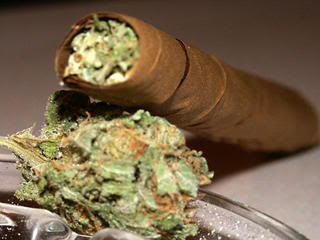
Many in the industry actually advocated against allowing retail marijuana shops, according to Rob Patridge, OLCC Chairman.
“The home delivery issue, I was a little surprised that even the industry was not supportive generally of the home delivery provisions," Partridge said. He noted that the rules still may evolve overtime. "Some of those things need to get teased out. We're looking for legislative direction.”
GET THE LATEST BREAKING NEWS HERE -- SIGN UP FOR GOLOCAL FREE DAILY EBLASTHome delivery of marijuana will be permitted under the new rules. Retailers can only deliver in the city in which they are licensed to operate, and can only transport $100 worth of marijuana at any one time.
These are the final version regulations will take effect in January, and two drafts had been published earlier, as GoLocal reported. They include rules on the on-site consumption of marijuana by employees, delivery of marijuana, background checks on budtenders edible packaging, and more.
Under the new rules, employees at licensed facilities who are medical marijuana patients will be allowed to consume cannabis at work, provided they are not intoxicated.

Edibles have long been a key issue in marijuana regulation. As GoLocal reported, dispensaries are longing for the days when they can sell edibles to recreational customers.
In order to do so, edible packaging must be prepared by the liquor commission. Any changes to the flavor must also be reviewed by the state.
The rules also set guidelines for production limits for cannabis growers.
There will four tiers of marijuana growers, based on size. Tier I for indoor growers allows up to 5,000 sq. ft. of space, while Tier II allows up to 10,000. For outdoor growers, a Tier one license will allow cultivation of 20,000 sq. ft, while a Tier II will allow for up to 40,000.
The regulations will also impose a seed-to-sale tracking system on marijuana that will be sold recreationally. This will allow regulators to know exactly how much marijuana is being produced, who is selling it, and whether businesses are following the rules and paying the proper amount in taxes.
The Highest Marijuana Prices in 2015 in New England by State

#6 Maine
$305
The Pine Tree State is 19 dollars below the national average.
That is the 38th highest in the country.

#5 Rhode Island
$314
The Ocean State is 10 dollars below the national average.
That is tied for 36th highest in the country.

#4 Connecticut
$334
The Constitution State falls 10 dollars above the national average.
That's the 30th highest in the country.

#3 Massachusetts
$342
The Bay State is 18 dollars above the national average.
That is tied for 22nd highest in the country.

#2 New Hampshire
$351
The Granite State is 27 dollars above the national average.
That is tied for 12th highest in the country.

#1 Vermont
$367
The Green Mountain State is 43 dollars above the national average.
That is the 2nd highest in the country.

U.S Lowest: Orgeon
$204
The Beaver State falls 220 dollars below the national average.
It is one of four states where marijuana for recreational use is legalized and is home to the lowest price in the nation.

U.S. Highest: N. Dakota
$387
The Peace Garden State is 67 dollars above the national average.
Its price is the highest in the country by 20 dollars.


