Our Environment: “Get Outside For Your Own Good” By Scott Turner
Scott Turner, Environmental Columnist
Our Environment: “Get Outside For Your Own Good” By Scott Turner
“Look,” I shouted to warn of the approaching gang.
Then I took off, skedaddling up three flights of stairs to our family’s apartment, as a gang fight ensued outside.
GET THE LATEST BREAKING NEWS HERE -- SIGN UP FOR GOLOCAL FREE DAILY EBLASTToday, I use the same skills to sense the world around me. Take last Tuesday evening on Hope and Fourth streets in Providence, when over the racket of voices and vehicular traffic, I heard a chirp.
Instantly my brain ran through birdcalls typical for the time and place—House Sparrow, American Robin, European Starling, Northern Cardinal. It was none of the above.
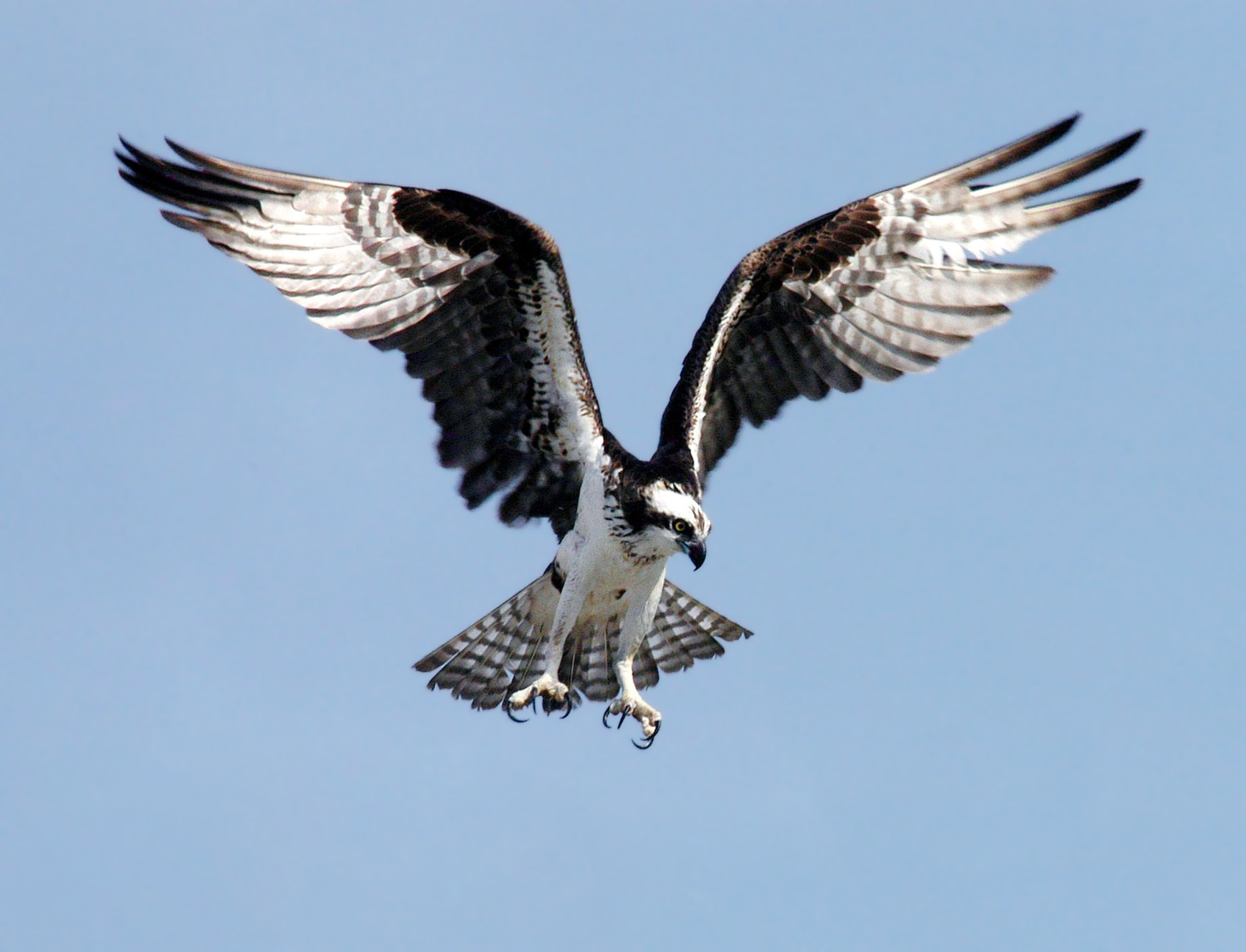
Then I remembered that the day was April 3, and the bird was right on schedule—my first Osprey of the season. Indeed, I looked up to observe a large bird circling maybe 200 feet overhead. It featured a slender body and long narrow and curved wings.
“Seeing” matters deeply in both nature and human study. I think back to a stickball game during childhood, when I noticed that a teenager had a pistol tucked into his waistband under his shirt.
As I started to walk away, the young man and a neighbor, who was standing right next to me, began arguing. The teen, stinking drunk, pulled out the gun and shot the neighbor in the shoulder. The blood flowing down the man’s chest looked like a map of the Hudson River and its tributaries.
My senses developed as a matter of survival. As a kid, I saw the drug deals that took place between folks shaking hands and the fingertip brushes between cheating spouses. I also grew keen to the sound of my father’s voice and footsteps in our apartment.
Dad communicated primarily through his fists. Early, I learned to stay far enough away from him that he had to lunge to grab me.
Once when I was in fourth grade, dad stepped past me in our living room, and before I could sprint away, he socked me so hard it knocked the wind out of me. My mother, comforting me, as I heaved, said my dad’s blow was his way of showing me attention. It was his form of love, she said.
Looking back at my childhood, I can see that getting out of the apartment and into the local parks of the west-central Bronx saved me both mentally and physically.
To this day, survival remains a primary theme in my nature writing. Often, I write to give voice to flora and fauna dispensable by the next bulldozer or chainsaw.
Nature writing is also deeply sensual. You listen as a bird chirps, or as wind rustles tree crowns. You watch silvery herring climb fish ladders, or touch a moon snail crawling past your feet in shallow seawater. Seeing, hearing and sometimes touching, smelling and tasting are all deeply personal.
Spring brings an outburst of life in which to find moments of detail to stretch out, to explore meanings and to share feelings. This time of year is so dynamic that every interaction outdoors can seem story worthy.
Dear readers, it is time to get outside, and associate with and appreciate the growing number of life forms surrounding us with each passing day.